






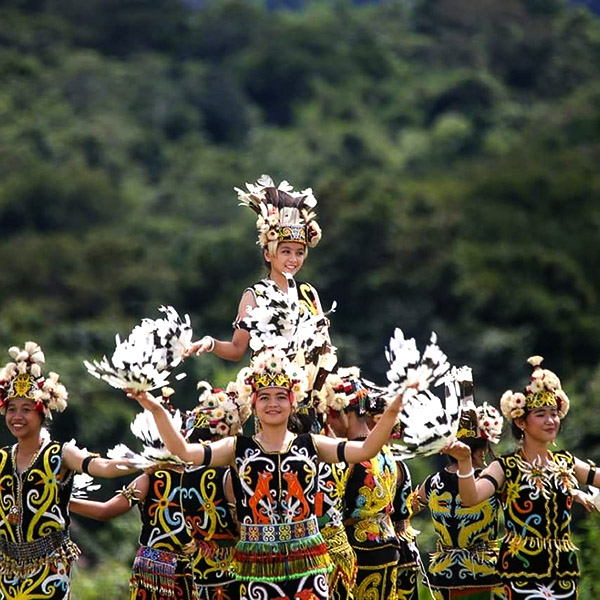
Masyarakat Adat: Indigenous Communities’ Issues in Indonesia
JAKARTA, turkeconom.com – Masyarakat Adat: Indigenous Communities’ Issues in Indonesia is a topic super close to my heart. As an Indonesian kid growing up near Kalimantan, I actually spent school holidays in a Dayak village. It was fun but also eye-opening—my first brush with the real challenges faced by Masyarakat Adat.
Masyarakat Adat, or indigenous communities, play a vital role in the cultural and social fabric of Indonesia. With over 1,300 ethnic groups and a rich tapestry of traditions, Indonesia is home to diverse indigenous populations, each with its unique customs, languages, and belief systems. However, these communities face numerous challenges that threaten their way of life, land rights, and cultural heritage. In this article, we will explore the issues confronting masyarakat adat in Indonesia, their significance, and the efforts being made to address these challenges.
The Importance of Masyarakat Adat

Masyarakat Adat are essential to Indonesia’s cultural diversity and environmental stewardship. They often possess profound knowledge of local ecosystems and sustainable practices, which have been passed down through generations. This traditional knowledge is crucial for biodiversity conservation and sustainable resource management.
Indigenous communities also contribute to the nation’s cultural heritage through their art, music, dance, and rituals. Their unique perspectives and lifestyles enrich Indonesia’s identity and promote a deeper understanding of the country’s history and values.
Key Issues Facing Masyarakat Adat
Despite their importance, masyarakat adat face several pressing issues that threaten their existence and rights:
Land Rights and Resource Exploitation
One of the most significant challenges faced by indigenous communities in Indonesia is the struggle for land rights. Many masyarakat adat have lived on their ancestral lands for generations, yet their rights to these lands are often not recognized by the government. This lack of legal recognition makes them vulnerable to land grabbing by corporations and the state for agriculture, mining, and logging.
As a result, indigenous communities frequently find themselves displaced from their lands, losing access to resources that are vital for their livelihoods. This not only threatens their economic stability but also undermines their cultural identity, as land is often integral to their traditions and way of life.
Cultural Erosion
Cultural erosion is another critical issue for masyarakat adat. As globalization and modernization sweep through Indonesia, many indigenous practices, languages, and traditions are at risk of disappearing. Younger generations may feel pressured to adopt mainstream cultures, leading to a decline in the transmission of traditional knowledge and customs.
The loss of cultural identity can have profound effects on the social cohesion of these communities, as shared practices and beliefs are central to their sense of belonging and community.
Political Marginalization
Masyarakat adat often face political marginalization, lacking representation in decision-making processes that affect their lives. By excluding them from political discourse, decision-makers rarely hear their voices and often overlook their needs, favoring development projects that prioritize economic gain over social justice.
Efforts to include indigenous perspectives in policy-making are essential to ensure that their rights and interests are respected and protected.
Environmental Degradation
The exploitation of natural resources in Indonesia has led to significant environmental degradation, affecting the ecosystems that indigenous communities depend on for their survival. Deforestation, pollution, and climate change pose serious threats to their traditional ways of life.
Masyarakat adat often serve as stewards of the land, using sustainable practices that protect biodiversity. However, when their lands are damaged or destroyed, it not only impacts their livelihoods but also contributes to broader environmental crises.
Efforts to Address Indigenous Issues
In recent years, there have been increasing efforts to address the issues faced by masyarakat adat in Indonesia. Various organizations, both local and international, work to advocate for indigenous rights and promote awareness of their challenges. Some key initiatives include:
Legal Recognition and Advocacy
Advocacy groups are pushing for legal recognition of indigenous land rights, working towards policies that protect the rights of masyarakat adat. The Indonesian government has made some strides in recognizing indigenous communities, but much work remains to ensure comprehensive legal protections.
Cultural Revitalization Programs
Cultural revitalization programs aim to preserve and promote indigenous languages, traditions, and practices. These initiatives often involve educational programs, workshops, and community events that encourage younger generations to engage with their cultural heritage.
Environmental Conservation Initiatives
Many organizations collaborate with indigenous communities to promote sustainable land management and conservation practices. By integrating traditional knowledge with modern conservation efforts, these initiatives aim to protect both the environment and the rights of masyarakat adat.
Political Engagement
We must boost indigenous communities’ political engagement to ensure that decision-makers hear their voices. Grassroots movements and advocacy efforts are empowering masyarakat adat to participate in political processes, advocate for their rights, and influence policy decisions that affect their lives.
Conclusion
Masyarakat Adat are an integral part of Indonesia’s cultural and ecological landscape, yet they face numerous challenges that threaten their rights, livelihoods, and identities. Addressing these issues requires a concerted effort from the government, civil society, and the international community to recognize and protect the rights of indigenous communities. By empowering masyarakat adat and valuing their contributions, Indonesia can work towards a more just and equitable society that honors its rich cultural diversity and heritage.
Explore our “”Politic“” category for more insightful content!
Don't forget to check out our previous article: Indonesia E-Government: Indonesia Electronic Governance
