Indonesia E-Government represents a significant transformation in how the Indonesian government interacts with its citizens, businesses, and other stakeholders. With the rapid advancement of technology, the Indonesian government has embraced digital solutions to enhance public services, improve governance, and foster transparency. In this article, we will explore the breakthroughs in Indonesia’s e-government initiatives, the challenges faced, and the real impact on citizens and society.
Overview of Indonesia E-Government
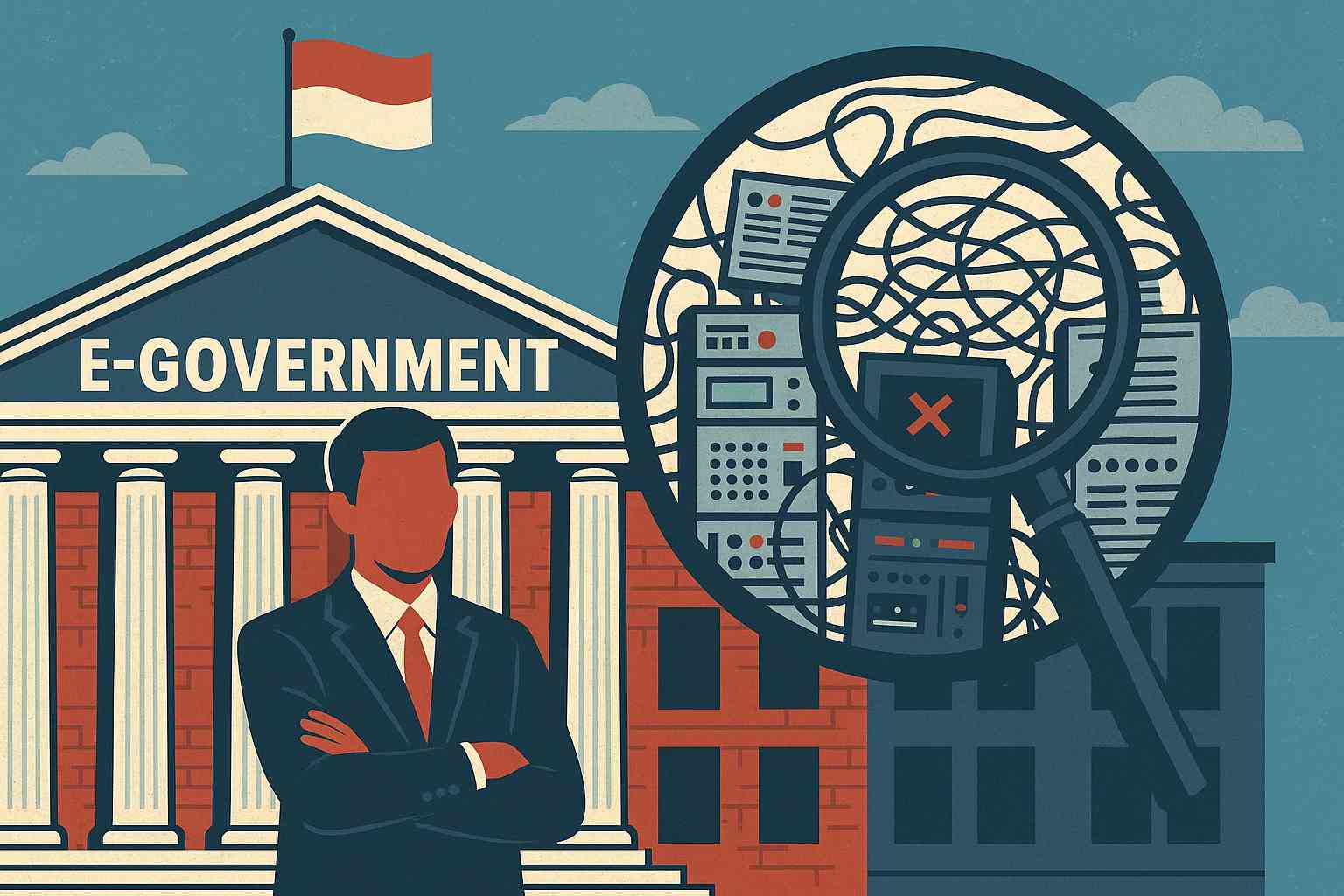
E-government refers to the use of digital technology, particularly the internet, to deliver government services, share information, and engage with citizens. In Indonesia, the push for e-government began in the early 2000s, but it gained significant momentum in recent years as the government recognized the need for modernization and efficiency in public services.
Objectives of Indonesia E-Government
- Improving Public Service Delivery: Streamlining processes to make government services more accessible and efficient for citizens.
- Enhancing Transparency and Accountability: Using technology to reduce corruption and increase public trust in government operations.
- Encouraging Citizen Participation: Providing platforms for citizens to engage in governance and decision-making processes.
- Fostering Economic Growth: Supporting businesses through easier access to government services and information.
Breakthroughs in Indonesia E-Government
Indonesia has made significant strides in its e-government initiatives, leading to various breakthroughs that have transformed the landscape of public administration. Some notable advancements include:
1. Online Services and Portals
The development of online platforms such as Sistem Informasi Manajemen (SIM) has made it easier for citizens to access government services. These platforms allow users to apply for permits, licenses, and other services online, reducing the need for in-person visits to government offices.
2. Digital Identity System
The implementation of a digital identity system, known as e-KTP (Electronic Kartu Tanda Penduduk), has streamlined the identification process for citizens. This biometric identification system enhances security and reduces fraud while facilitating access to various government services.
3. Open Data Initiatives
The Indonesian government has embraced open data initiatives, making government data accessible to the public. This transparency fosters accountability and enables citizens, researchers, and businesses to utilize data for various purposes, including research and innovation.
4. Mobile Applications for Public Services
The rise of mobile applications has revolutionized how citizens interact with the government. Apps like JAKI (Jakarta Kini) provide information about public services, transportation, and events, making it easier for residents to navigate city life.
5. Smart City Initiatives
Several cities in Indonesia have launched smart city initiatives, integrating technology into urban planning and management. These initiatives aim to improve infrastructure, transportation, and public services through data-driven decision-making.
Challenges Facing Indonesia E-Government
Despite the progress made, Indonesia’s e-government initiatives face several challenges that hinder their full potential:
1. Digital Divide
The digital divide remains a significant issue in Indonesia, with disparities in internet access and digital literacy between urban and rural areas. This gap limits the effectiveness of e-government initiatives, as not all citizens can access online services.
2. Cybersecurity Concerns
As e-government systems become more integrated, the risk of cyberattacks increases. Ensuring the security of sensitive data and protecting citizens’ information is crucial for maintaining trust in e-government services.
3. Resistance to Change
Cultural and institutional resistance to adopting new technologies can slow down the implementation of e-government initiatives. Some government officials may be hesitant to embrace digital solutions, preferring traditional methods.
4. Infrastructure Limitations
The lack of adequate infrastructure, particularly in remote areas, poses a challenge to the rollout of e-government services. Improving internet connectivity and access to technology is essential for the success of these initiatives.
Real Impact on Citizens and Society
The implementation of Indonesia E-Government has had a tangible impact on citizens and society as a whole:
1. Increased Accessibility
E-government initiatives have made government services more accessible to citizens, reducing the time and effort required to obtain permits, licenses, and information.
2. Enhanced Transparency
The availability of open data and online services has increased transparency in government operations, allowing citizens to hold public officials accountable and reducing opportunities for corruption.
3. Empowered Citizens
With access to information and platforms for participation, citizens are more empowered to engage in governance and advocate for their rights and needs.
4. Economic Growth
E-government initiatives have facilitated business operations, making it easier for entrepreneurs to navigate regulatory requirements and access government support.
Conclusion
Indonesia E-Government represents a transformative shift in how the government interacts with its citizens, offering numerous benefits while also facing significant challenges. The breakthroughs achieved in online services, digital identity, and open data have laid the foundation for a more efficient and transparent government. However, addressing the digital divide, cybersecurity concerns, and infrastructural limitations is essential for realizing the full potential of e-government initiatives. As Indonesia continues to embrace digital transformation, the ongoing commitment to improving public services will play a crucial role in fostering economic growth and enhancing the quality of life for all citizens.