






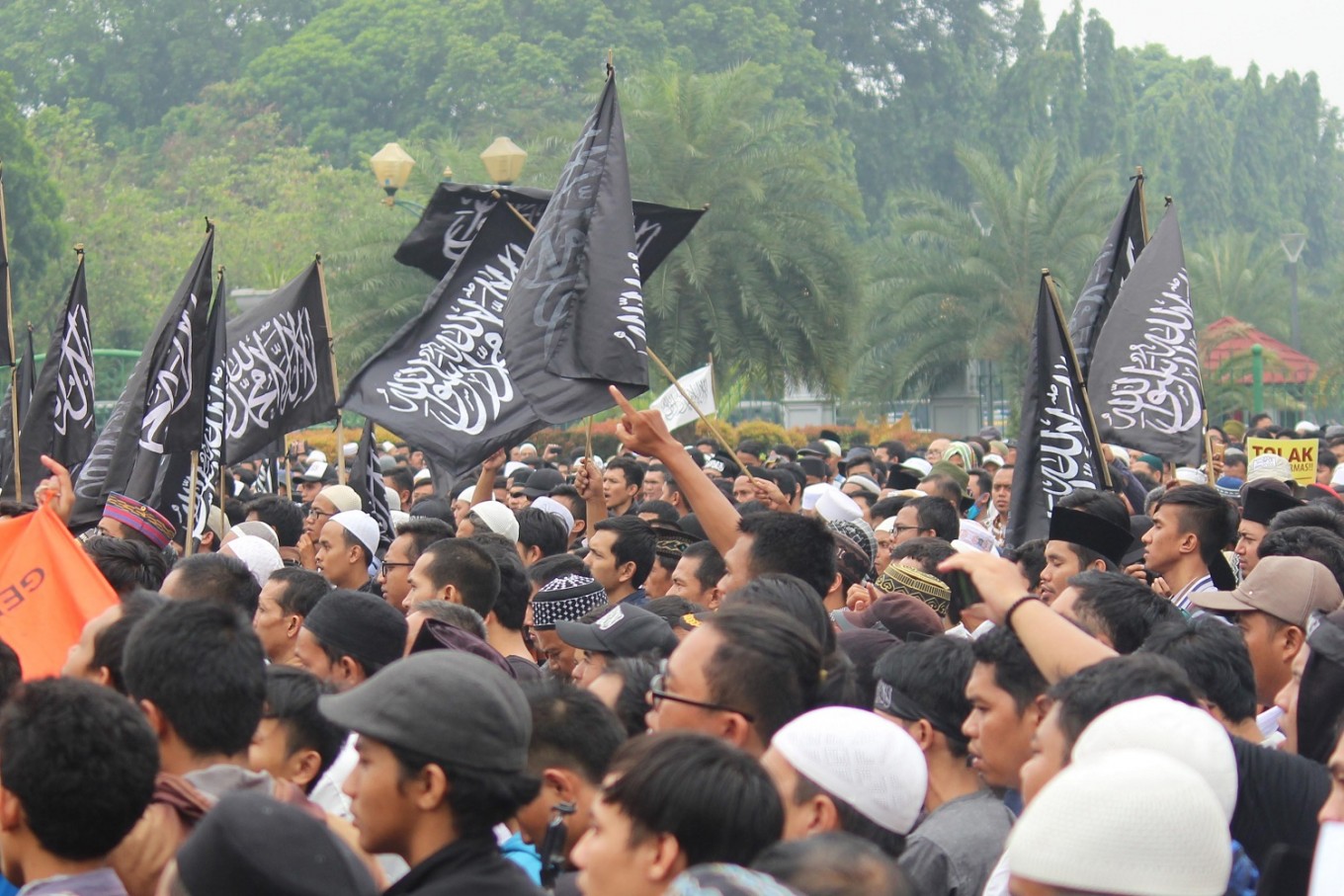
Muslim Organizations: The Political Role of NU, Muhammadiyah, and Others
Jakarta, turkeconom.com – Muslim Organizations play a major role in shaping religious life, education, social welfare, and public discourse across many Muslim majority societies, especially in Indonesia. Among the most influential are Nahdlatul Ulama, commonly known as NU, and Muhammadiyah, two large organizations that have historically contributed not only to religious thought and community development but also to political life. Their influence extends beyond formal politics, affecting how communities understand citizenship, morality, leadership, and national identity.
The political role of Muslim Organizations is often complex. These institutions do not function only as religious bodies. They also operate as social movements, educational networks, charitable structures, and moral authorities. Because of this, their political influence may appear directly through leaders, endorsements, policy discussions, and institutional relationships, or indirectly through values, public opinion, and civic engagement. In practical terms, they are often political even when they are not acting like political parties, which is where things become both interesting and occasionally gloriously complicated.
Understanding Muslim Organizations in Public Life

To understand their political role, it helps to see Muslim Organizations as more than faith based associations.
Core public functions
Many Muslim Organizations are involved in:
- Religious education
- Social welfare services
- Community guidance
- Public morality discourse
- Institutional advocacy
- Civic participation
These functions give them broad influence over both everyday life and national conversations.
Why influence extends into politics
Their role reaches politics because:
- They shape large constituencies
- They build leadership networks
- They influence public values
- They respond to national issues
- They often mediate between state and society
This means their political importance cannot be measured only by seats in government or party affiliation.
The Political Role of NU
Nahdlatul Ulama is one of the largest and most influential Muslim Organizations in Indonesia, with deep roots in traditional Islamic scholarship and community life.
Sources of NU political influence
NU’s political role often comes from:
- Its extensive religious network
- Its pesantren based social foundations
- Its historical role in national development
- Its moral authority among followers
- Its ability to shape moderate Islamic discourse
Nature of NU engagement
NU has often influenced politics through:
- Public statements on national issues
- Participation of its figures in government and public institutions
- Advocacy for pluralism, moderation, and social harmony
- Informal influence on voting behavior and public legitimacy
Political significance
NU’s importance lies in its ability to connect religious tradition with civic and national concerns. It is often viewed as a stabilizing force in Indonesian public life, particularly when issues of religious tolerance, democracy, and national cohesion become politically sensitive.
The Political Role of Muhammadiyah
Muhammadiyah is another major Muslim Organization in Indonesia, known for its reformist orientation, educational institutions, health services, and strong emphasis on organized social development.
Sources of Muhammadiyah political influence
Muhammadiyah’s political role is often shaped by:
- Its modernist Islamic perspective
- Its nationwide institutional network
- Its schools, universities, and hospitals
- Its emphasis on reform, discipline, and social responsibility
- Its intellectual and civic leadership base
Nature of Muhammadiyah engagement
Muhammadiyah often affects politics through:
- Policy advocacy and issue based engagement
- Public commentary on governance and ethics
- Educational influence on civic values
- Leadership participation in state and civil society spaces
Political significance
Its significance lies in the way it combines religious reformism with social institution building. Muhammadiyah may appear less theatrically political than party actors, but its influence is often deep, structured, and durable.
Below is a concise comparison of two of the most prominent Muslim Organizations in Indonesia.
| Organization | Primary Social Base | Main Political Role | Notable Public Influence |
|---|---|---|---|
| NU | Traditionalist Islamic communities | Moral and civic influence, leadership participation | Moderation, pluralism, pesantren networks |
| Muhammadiyah | Modernist reform oriented communities | Policy engagement, civic education, social reform | Education, health, organizational reform |
Together, these organizations demonstrate that political influence can be exercised through institutions, ideas, and social trust, not only through elections.
Other Muslim Organizations and Broader Political Impact
Beyond NU and Muhammadiyah, other Muslim Organizations also contribute to the political and civic landscape.
Types of influence from other organizations
Other groups may shape politics through:
- Religious activism
- Advocacy on legal and moral issues
- Youth and student mobilization
- Community based education
- Social movement participation
Why this broader ecosystem matters
The wider field of Muslim Organizations matters because it reflects the diversity of Muslim public expression. Some groups are more accommodationist, others more activist, and others more focused on moral pressure than institutional engagement. Together, they create a dynamic space in which religion and politics interact in many forms.
Key Takeaways
The political role of Muslim Organizations is best understood as layered rather than uniform.
Main lessons
- NU and Muhammadiyah are not political parties, but they are politically influential
- Their influence often comes through education, welfare, moral authority, and leadership networks
- NU tends to be associated with traditional religious communities and moderation discourse
- Muhammadiyah is often associated with reformist institutional influence and civic discipline
- Other Muslim Organizations add diversity, activism, and ideological variation to the public sphere
Final perspective
The key takeaway here is that Muslim Organizations help shape politics not only by entering government spaces, but by shaping the social and moral environment in which politics operates. Their power often lies in legitimacy, networks, and public trust, which can be more enduring than short term electoral noise.
Explore our “”Politic“” category for more insightful content!
Don't forget to check out our previous article: Hukum Adat: Customary Law in Indonesia
