









Reform Era: Turbulent Change In Indonesia Political Reform Period
JAKARTA, turkeconom.com – Reform Era: Turbulent Change In Indonesia Political Reform Period wasn’t just a chapter in our textbooks, guys—it was downright life-changing for a whole generation like mine. I remember as a student, hearing shouts and chants on the news, my parents glued to the TV, a mix of hope and stress in their faces. The Reform Era: Indonesia Political Reform Period was us making history in real-time.
The Reform Era in Indonesia marks a significant period of political transformation and social change that began in the late 1990s. This era followed decades of authoritarian rule under President Suharto and was characterized by a push for democracy, human rights, and economic reform. In this article, we will explore the key events leading to the Reform Era, its major developments, and the challenges faced during this tumultuous period.
Historical Background
The New Order Regime
The Reform Era emerged in the context of Indonesia’s New Order regime, which was established in 1966 when Suharto came to power after a coup that ousted President Sukarno. Suharto’s government was marked by political repression, censorship, and human rights abuses. While the regime achieved economic growth and stability, it did so at the cost of democratic freedoms and civil liberties.
The Economic Crisis of 1997-1998
The 1997–98 Asian Financial Crisis proved a watershed for Indonesia, devastating its economy and unleashing mass unemployment, rampant inflation, and widespread social unrest. As public discontent grew, calls for political reform intensified. The economic turmoil exposed the vulnerabilities of Suharto’s regime and weakened its grip on power.
The Fall of Suharto
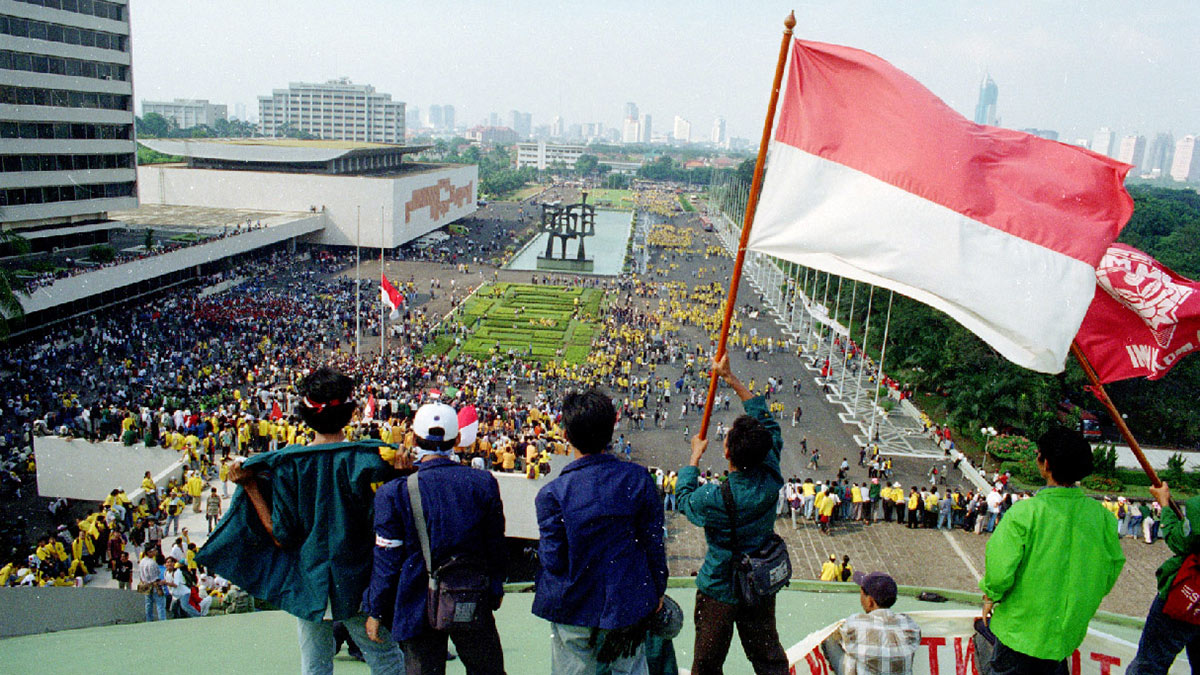
In May 1998, massive protests erupted across Indonesia, fueled by demands for political reform and an end to Suharto’s authoritarian rule. The protests culminated in Suharto’s resignation on May 21, 1998, after 32 years in power. His departure marked the beginning of the Reform Era, as the country sought to transition from dictatorship to democracy.
Key Developments During the Reform Era
1. Democratization
The Reform Era ushered in a wave of democratization in Indonesia. Key reforms included:
- Political Liberalization: Political parties were allowed to operate freely, and new parties emerged to challenge the established order. The first democratic elections were held in 1999, resulting in a more representative government.
- Decentralization: The government implemented decentralization policies, granting greater autonomy to regional governments. This aimed to empower local communities and improve governance.
2. Human Rights and Civil Liberties
The Reform Era saw a renewed focus on human rights and civil liberties. Efforts included:
- Legal Reforms: New laws were enacted to protect human rights, including the establishment of the National Commission on Human Rights (Komnas HAM) to monitor and address human rights violations.
- Freedom of Expression: Censorship laws were relaxed, allowing for greater freedom of the press and expression. Media outlets flourished, contributing to a more informed and engaged public.
3. Economic Reforms
In response to the economic crisis, the government implemented various economic reforms aimed at stabilizing the economy and promoting growth. These included:
- Structural Adjustments: Economic policies focused on liberalization, deregulation, and privatization of state-owned enterprises to attract foreign investment.
- Social Safety Nets: Programs were introduced to support vulnerable populations affected by the economic crisis, including cash transfer programs and food assistance.
4. Political Stability and Challenges
While the Reform Era brought significant changes, it also faced challenges:
- Corruption: Corruption remained a persistent issue in Indonesian politics, undermining public trust in government institutions. Efforts to combat corruption included the establishment of the Corruption Eradication Commission (KPK) in 2002.
- Ethnic and Religious Tensions: The transition to democracy led to increased ethnic and religious tensions in some regions, resulting in violence and conflict. The government struggled to address these issues while maintaining national unity.
Legacy of the Reform Era
The Reform Era has had a lasting impact on Indonesia’s political landscape. It laid the foundation for a more democratic and pluralistic society, fostering greater political participation and civic engagement. The era also highlighted the importance of accountability, transparency, and the rule of law in governance.
Continued Progress
In the years following the Reform Era, Indonesia has continued to make strides toward strengthening its democracy. Subsequent elections have seen peaceful transitions of power, and civil society organizations have played a vital role in advocating for human rights and good governance.
Ongoing Challenges
Despite these advancements, Indonesia still faces challenges, including corruption, inequality, and environmental issues. The legacy of the Reform Era serves as a reminder of the ongoing struggle for democracy and the need for continued vigilance in protecting civil liberties.
Conclusion
The Reform Era represents a pivotal moment in Indonesia’s history, marked by significant political, social, and economic changes. The transition from authoritarian rule to democracy has transformed the nation, empowering its people and fostering a more inclusive political environment. As Indonesia continues to navigate its path forward, the lessons learned during the Reform Era will be crucial in shaping its future as a democratic nation.
Explore our “Politic” category for more insightful content!
Don't forget to check out our previous article: Hubungan Internasional: Indonesia’s Foreign Relations
