









National Mandate Party: A Key Player in Indonesian Politics That Keeps Surprising Us
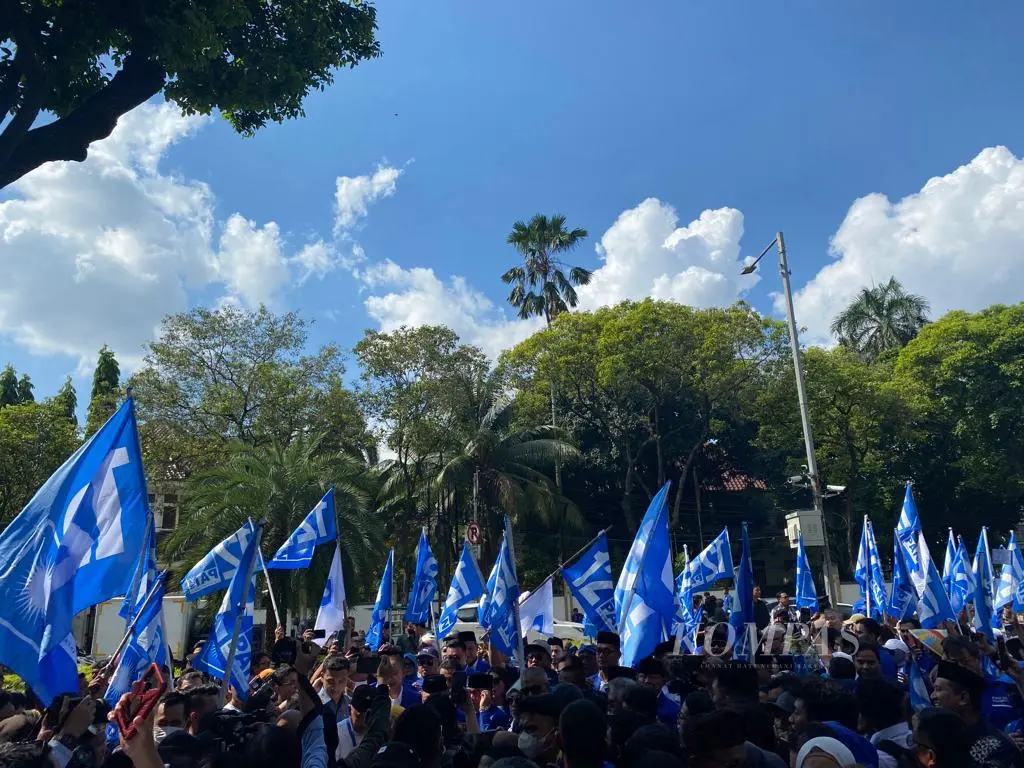
JAKARTA, turkeconom.com – National Mandate Party: A Key Player in Indonesian Politics—that phrase has been buzzing in my head every election season. You know, growing up in Jakarta, I always saw those blue PAN flags waving around city corners, but honestly? I didn’t quite get the hype until I started digging into the basics of their role in Indonesian politic with friends (over iced kopi, of course!).
The National Mandate Party (Partai Amanat Nasional, PAN) has emerged as a significant force in Indonesian politics since its establishment in 1998. Known for its moderate Islamic stance and commitment to democracy, PAN has played a crucial role in shaping the political landscape of Indonesia. This article explores the party’s history, ideology, key achievements, and its evolving role in the nation’s political arena.
History of the National Mandate Party

Formation and Early Years
The National Mandate Party was founded on August 23, 1998, during a period of political reform in Indonesia following the fall of President Suharto. Initially, PAN was established as a response to the need for a political party that represented a moderate Islamic perspective, aiming to bridge the gap between secular and Islamic interests in the country.
Rise in Politics
PAN quickly gained popularity, securing a significant number of seats in the 1999 legislative elections. The party’s early success was attributed to its inclusive approach and ability to appeal to a broad electorate, including both Muslim and non-Muslim voters. Under the leadership of its first chairman, Amien Rais, PAN positioned itself as a reformist party advocating for democracy, human rights, and social justice.
Ideology and Principles
Moderate Islamism
The National Mandate Party promotes a vision of moderate Islam that emphasizes tolerance, pluralism, and democracy. Unlike some other Islamic parties in Indonesia, PAN seeks to engage with a diverse population, advocating for policies that benefit all Indonesians regardless of their religious affiliations.
Commitment to Democracy
PAN has consistently supported democratic governance and the rule of law. The party advocates for political reforms, transparency, and accountability in government, aiming to strengthen Indonesia’s democratic institutions.
Social Justice and Economic Development
The party’s platform includes a strong focus on social justice, economic development, and poverty alleviation. PAN seeks to implement policies that promote equitable growth and improve the living standards of marginalized communities.
Key Achievements
Legislative Success
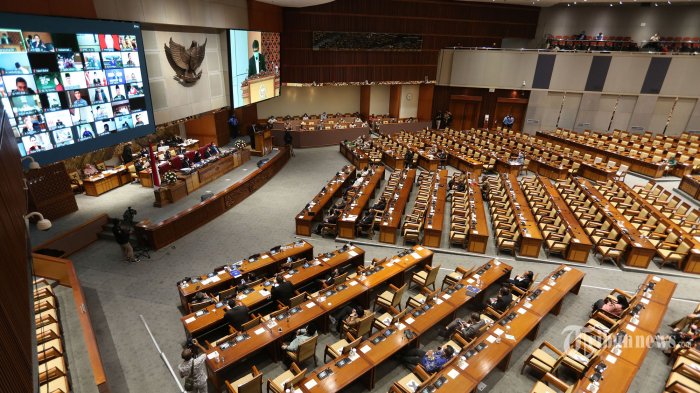
Since its inception, PAN has participated in several legislative elections, consistently securing a substantial number of seats in the People’s Consultative Assembly (MPR). The party has played a pivotal role in various legislative initiatives, including laws related to education, health, and social welfare.
Coalition Building
PAN has been instrumental in forming coalitions with other political parties, allowing it to influence national policy and governance. The party has participated in multiple coalition governments, demonstrating its adaptability and strategic approach to politics.
Advocacy for Reforms
PAN has actively advocated for political and economic reforms in Indonesia. The party has been involved in discussions regarding anti-corruption measures, electoral reforms, and social policies aimed at improving the quality of life for all citizens.
Recent Developments
2024 Presidential Election
As Indonesia approaches the 2024 presidential election, the National Mandate Party continues to be a key player in the political landscape. PAN has expressed its intention to support candidates who align with its principles of moderate Islam and democratic governance. The party’s ability to form strategic alliances will be crucial in determining its influence in the upcoming elections.
Youth Engagement
Recognizing the importance of youth in shaping the future of Indonesia, PAN has initiated programs aimed at engaging younger voters. The party actively addresses issues that resonate with the youth, including employment, education, and climate change.
Conclusion
The National Mandate Party has proven to be a resilient and adaptable force in Indonesian politics. With its commitment to moderate Islam, democracy, and social justice, PAN continues to surprise observers with its ability to navigate the complexities of the political landscape. As Indonesia moves towards the 2024 presidential election, the party’s role in coalition-building and advocacy for reform will be critical in shaping the nation’s future. Whether through legislative achievements or grassroots engagement, PAN remains a key player in Indonesia’s ongoing journey toward a more inclusive and democratic society.
Explore our “Politic” category for more insightful content!
Don't forget to check out our previous article: Natural Resources: Analyzing the Role of Natural Resources in Indonesian Politics
