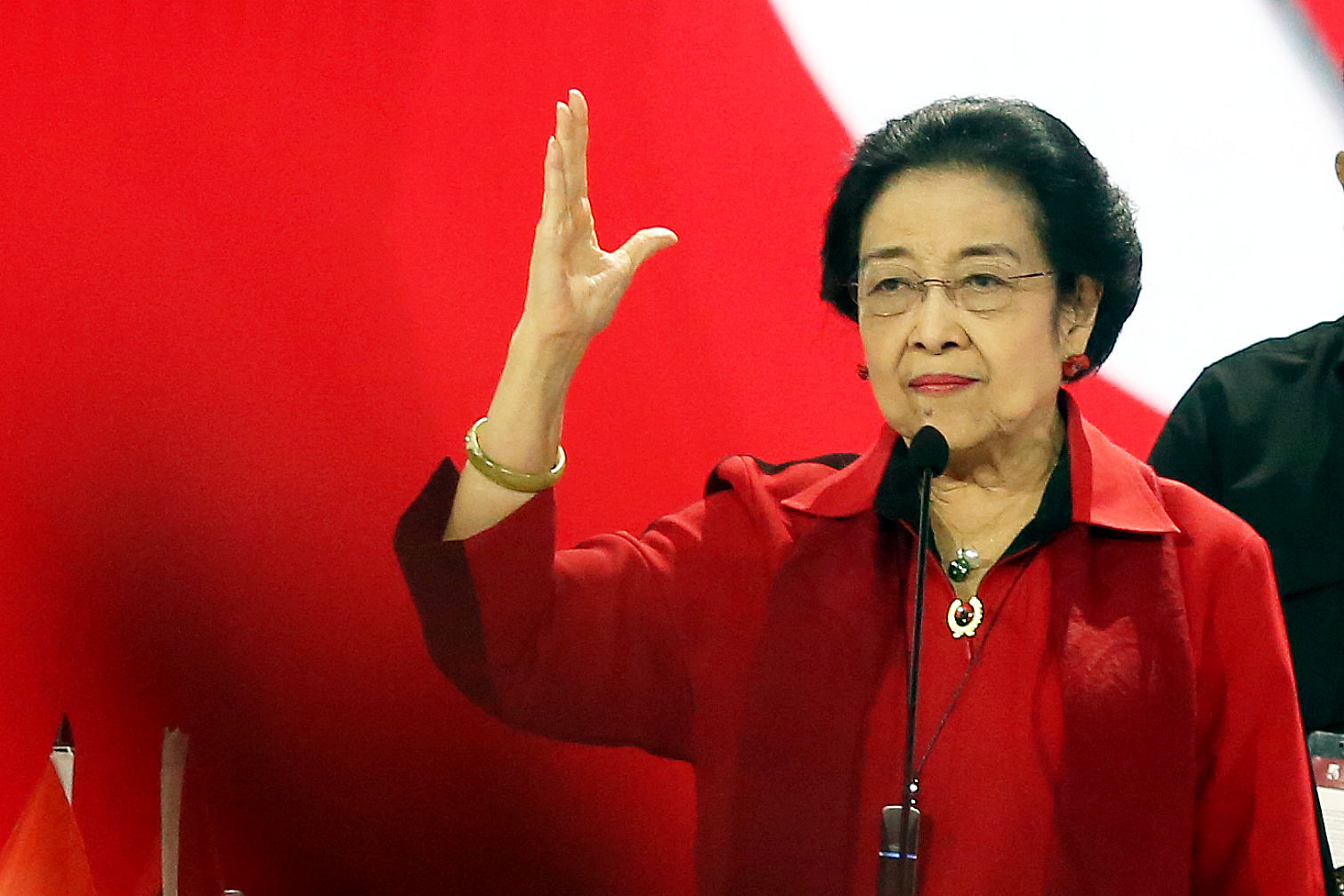
In the landscape of Indonesian politics, few figures have left as profound an impact as Megawati Soekarnoputri. As the daughter of Indonesia’s first president, Sukarno, she has played a pivotal role in shaping the country’s democratic consolidation. My journey to understanding her influence has not only changed my view on politics but has also deepened my appreciation for the complexities of leadership in a diverse and dynamic nation.
A Historical Perspective
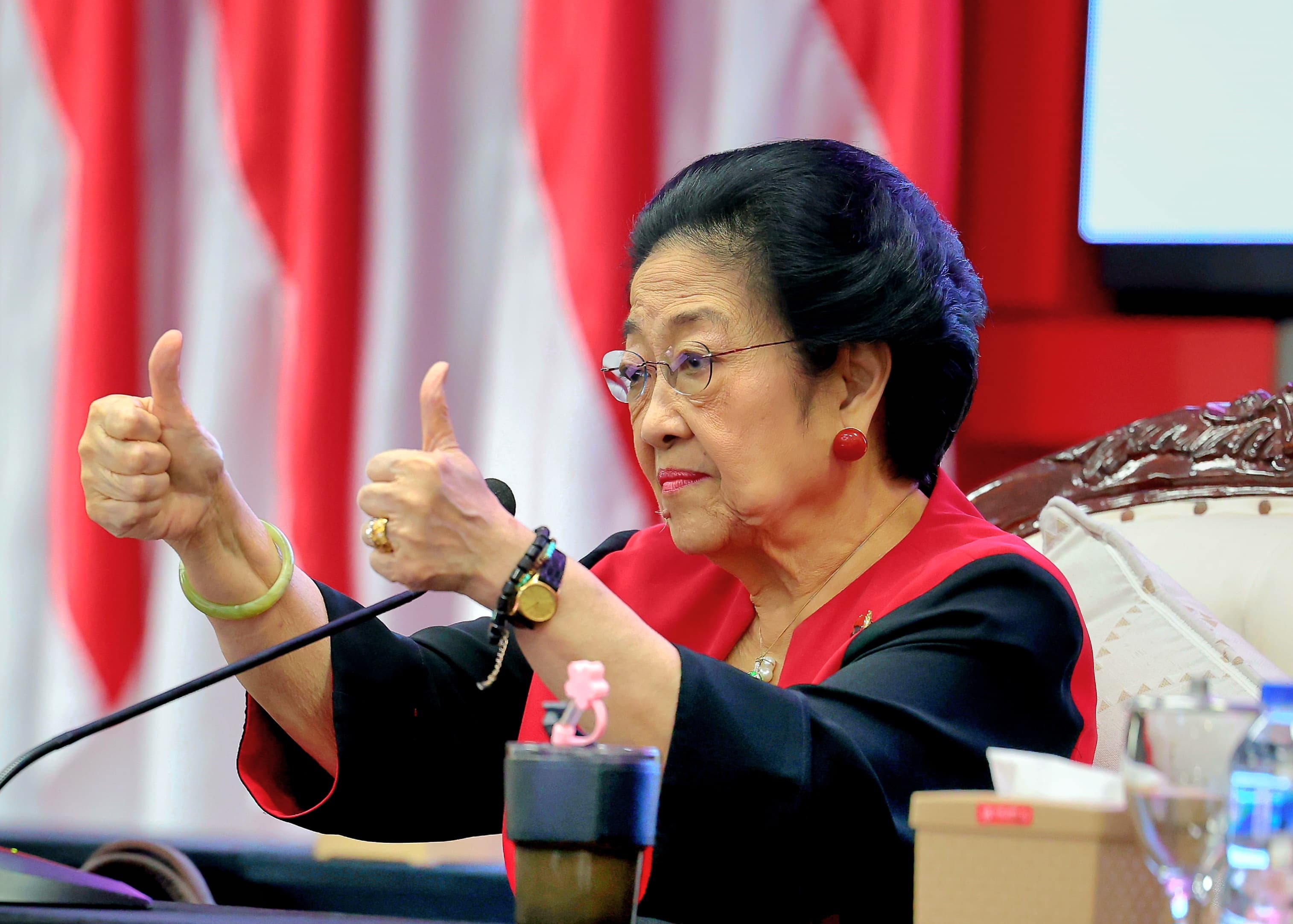
Megawati Soekarnoputri was born on January 23, 1947, into a political family, with her father being a key figure in Indonesia’s fight for independence. Growing up in such an environment, she was exposed to the intricacies of political life from an early age. After her father’s ousting in 1967, Megawati’s political career began in earnest in the late 1990s, during a time of significant upheaval in Indonesia.
Her rise to prominence was marked by her leadership of the Indonesian Democratic Party (PDI), which she re-established after it was dissolved during the Suharto regime. Her determination to restore democracy in Indonesia resonated with many citizens who yearned for political change.
Leadership and Democratic Consolidation
Megawati’s presidency from 2001 to 2004 came at a crucial time for Indonesia, as the nation was transitioning from authoritarian rule to a more democratic framework. Her leadership style, characterized by a calm demeanor and a focus on consensus-building, played a significant role in stabilizing the country during a tumultuous period.
- Emphasizing Democracy: Megawati championed democratic values and worked to strengthen the political system. She focused on fostering dialogue among various political factions, which was essential for maintaining peace in a country with diverse ethnic and religious groups.
- Women in Politics: As one of the few female leaders in a predominantly male political landscape, Megawati became a symbol of empowerment for women in Indonesia. Her presidency inspired a new generation of female politicians and activists, highlighting the importance of gender representation in political decision-making.
- Economic Challenges: During her tenure, Megawati faced significant economic challenges, including the aftermath of the 1997 Asian financial crisis. Her administration implemented various reforms aimed at stabilizing the economy and promoting growth, although opinions on the effectiveness of these measures remain divided.
Changing My View on Politics
Before delving into the life and career of Megawati Soekarnoputri, my perception of politics was largely negative, shaped by corruption scandals and political instability. However, studying her journey revealed several important insights that transformed my understanding:
- The Complexity of Leadership: Megawati’s experiences illustrated that leadership is not merely about making decisions; it involves navigating a web of interests, negotiating with various stakeholders, and often making compromises for the greater good.
- The Role of Women: Her ascent to power highlighted the critical role women can play in politics. I came to appreciate the importance of diverse perspectives in governance and how female leaders can bring unique insights and approaches to problem-solving.
- Resilience in Adversity: Megawati’s ability to persevere through political challenges and personal setbacks taught me the value of resilience. Her journey reminded me that effective leadership often requires overcoming obstacles and learning from failures.
- Engagement in Democracy: Learning about her commitment to democratic principles inspired me to become more engaged in political discourse. I realized that active participation in democracy—whether through voting, advocacy, or community involvement—is essential for promoting positive change.
Conclusion
In conclusion, Megawati Soekarnoputri stands as a significant figure in Indonesia’s political history, embodying the challenges and triumphs of democratic consolidation. Her leadership has not only shaped the political landscape of Indonesia but has also influenced my perspective on politics and governance.
Through her journey, I have learned the importance of resilience, the value of diverse voices in leadership, and the need for active engagement in the democratic process. Megawati’s legacy serves as a reminder that political change is possible and that leaders can emerge from any background to make a meaningful impact. As Indonesia continues to evolve, her contributions will undoubtedly remain a vital part of the nation’s narrative, inspiring future generations to pursue their own paths in politics and public service.