Indigenous rights are crucial for the preservation and protection of the diverse cultures, traditions, and identities of Indigenous peoples around the world. In Indonesia, a country rich in ethnic diversity and cultural heritage, the recognition and protection of Indigenous rights are vital for safeguarding the rights and livelihoods of its Indigenous communities. This article explores the significance of Indigenous rights in Indonesia, the challenges faced by Indigenous peoples, and the efforts being made to protect their cultures and lands.
Understanding Indigenous Rights
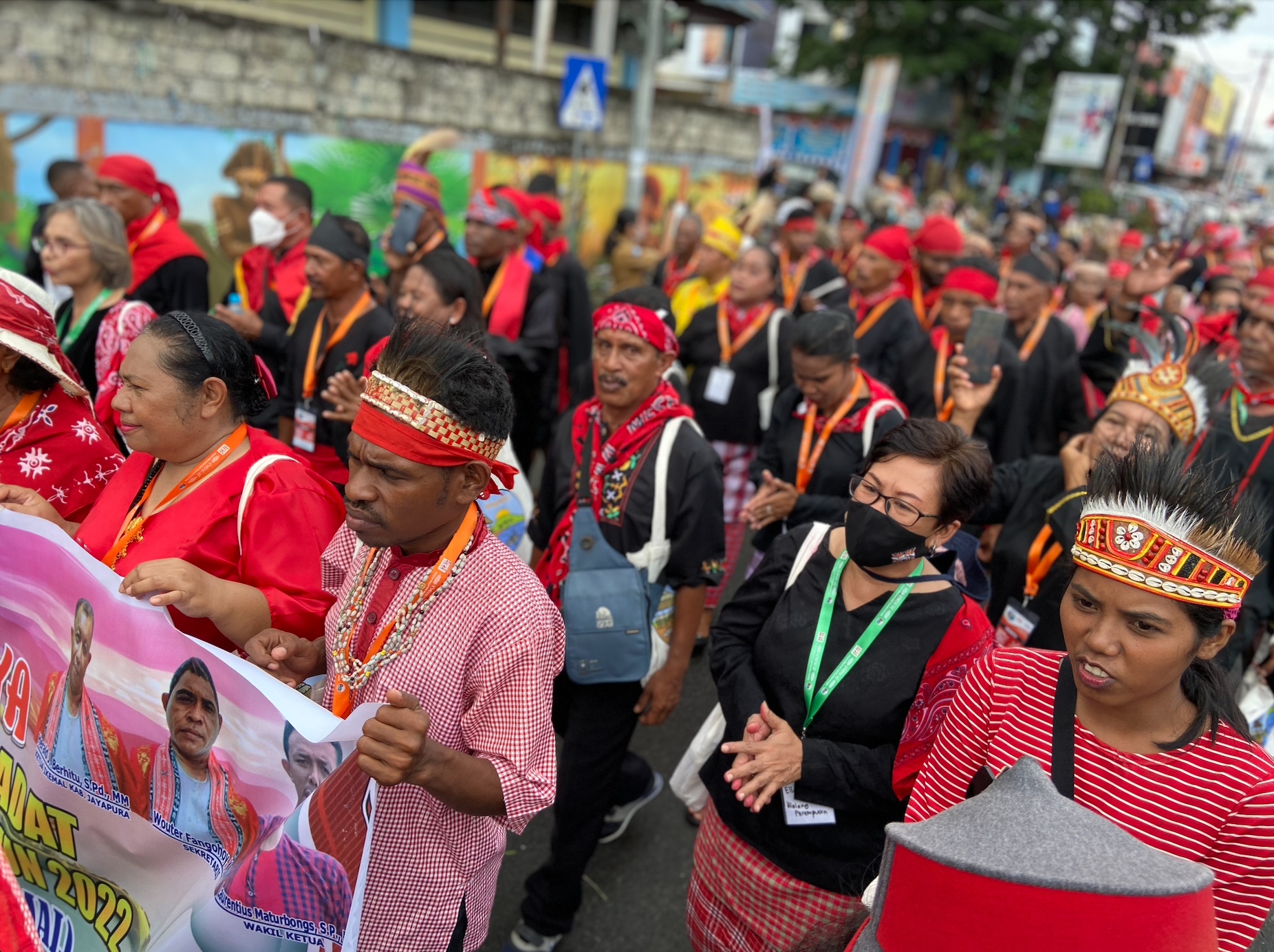
Indigenous rights refer to the collective and individual rights of Indigenous peoples to maintain their cultural identity, access their ancestral lands, and participate in decision-making processes that affect their lives. Frameworks such as the United Nations Declaration on the Rights of Indigenous Peoples (UNDRIP) formally acknowledge these rights and highlight the essential roles of self-determination, cultural preservation, and land rights.
Key Aspects of Indigenous Rights
- Cultural Preservation: Indigenous peoples have the right to maintain and promote their cultural heritage, languages, and traditional practices.
- Land Rights: Indigenous communities have a strong connection to their ancestral lands, which are essential for their livelihoods, spirituality, and cultural identity. Recognizing their land rights is crucial for protecting their way of life.
- Self-Determination: Indigenous peoples have the right to make decisions about their governance, resources, and development, allowing them to shape their futures according to their values and priorities.
- Participation in Decision-Making: Indigenous communities should be included in decision-making processes that affect their rights, lands, and resources, ensuring their voices are heard and respected.
Indigenous Peoples in Indonesia
Indonesia is home to over 300 ethnic groups, each with its own distinct culture, language, and traditions. Indigenous communities, often referred to as “masyarakat adat,” play a vital role in the country’s cultural landscape. However, they face numerous challenges that threaten their rights and way of life.
Challenges Faced by Indigenous Peoples
- Land Dispossession: Indigenous communities often face land dispossession due to industrial development, logging, mining, and agriculture. This encroachment on their ancestral lands disrupts their livelihoods and cultural practices.
- Legal Recognition: Many Indigenous groups in Indonesia struggle for legal recognition of their land rights. The lack of formal recognition often leaves them vulnerable to exploitation and marginalization.
- Cultural Erosion: Rapid modernization and globalization pose significant threats to Indigenous cultures and languages. Younger generations may feel pressured to abandon their traditional practices in favor of mainstream culture.
- Environmental Degradation: Deforestation, pollution, and climate change disproportionately affect Indigenous communities, as they often rely on natural resources for their survival. Environmental degradation threatens their ability to maintain their traditional lifestyles.
Efforts to Protect Indigenous Rights
In recent years, there have been increasing efforts to recognize and protect Indigenous rights in Indonesia. These initiatives involve collaboration between Indigenous communities, government agencies, non-governmental organizations (NGOs), and international bodies.
1. Legal Frameworks
Indonesia has made strides in recognizing Indigenous rights through various legal frameworks. The 1999 Forestry Law and the 2007 Law on Village Governance acknowledge the existence of Indigenous communities and their rights to manage their resources. However, implementation remains inconsistent, and further legal reforms are needed to strengthen protections.
2. Advocacy and Awareness
NGOs and Indigenous organizations play a crucial role in advocating for Indigenous rights and raising awareness about the challenges faced by these communities. Campaigns and initiatives aim to educate the public and policymakers about the importance of protecting Indigenous cultures and lands.
3. Community-Led Initiatives
Many Indigenous communities are taking the lead in protecting their rights through grassroots movements. By organizing and mobilizing, they can assert their claims to land, preserve their cultural practices, and engage in sustainable development initiatives that align with their values.
4. International Support
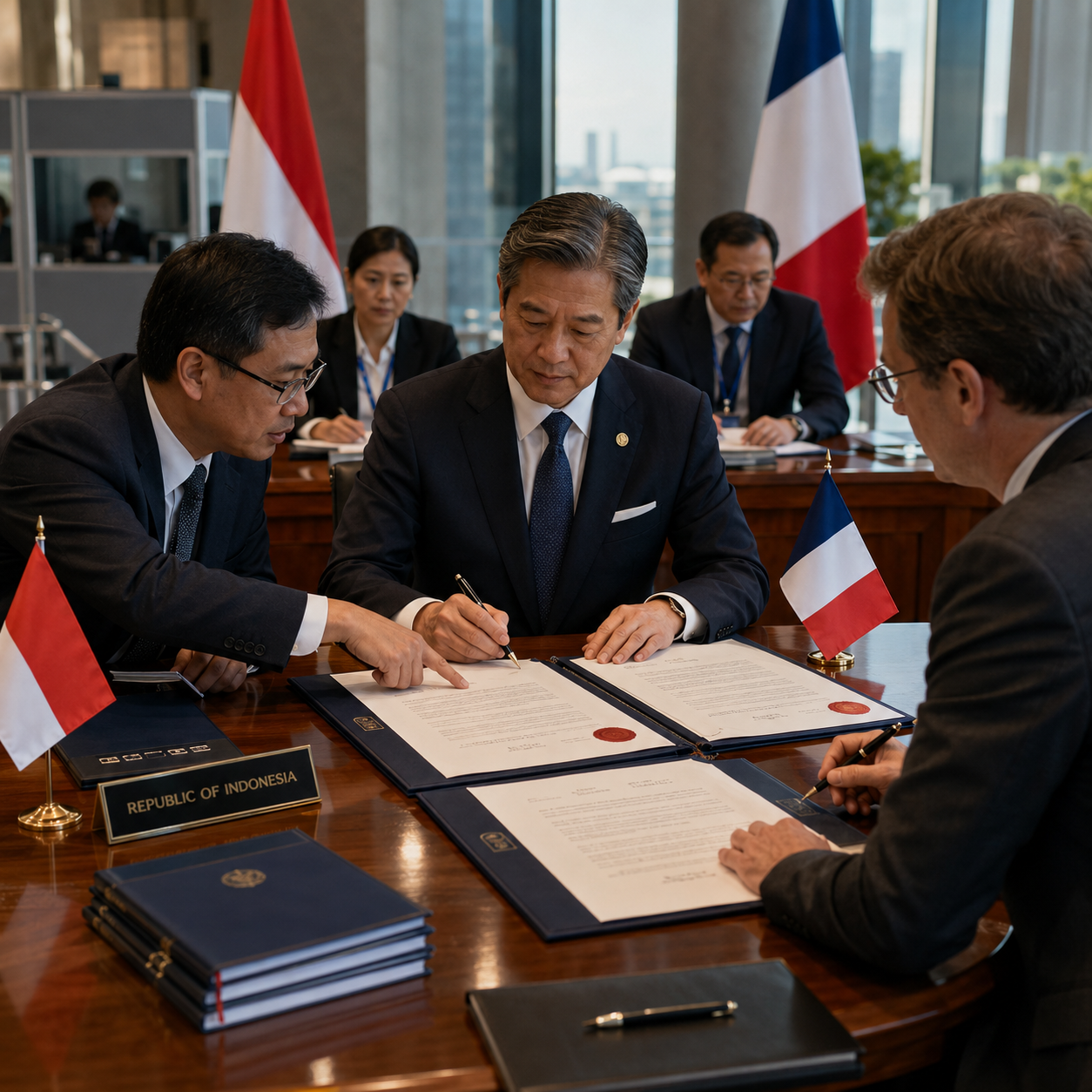
International organizations, such as the United Nations and various human rights groups, provide support to Indigenous communities in Indonesia. These organizations help amplify their voices, promote their rights, and hold governments accountable for their obligations under international law.
Conclusion
Indigenous rights are essential for protecting the rich cultural heritage and identities of Indigenous peoples in Indonesia. As these communities face numerous challenges, including land dispossession, legal recognition issues, and cultural erosion, it is crucial to advocate for their rights and support their efforts to preserve their way of life. By recognizing and respecting Indigenous rights, Indonesia can foster a more inclusive society that values its diverse cultural tapestry. Protecting Indigenous cultures not only benefits the communities themselves but also enriches the national identity and promotes sustainable development for future generations.