




Women in Politics: Increasing Female Representation in Indonesia Government
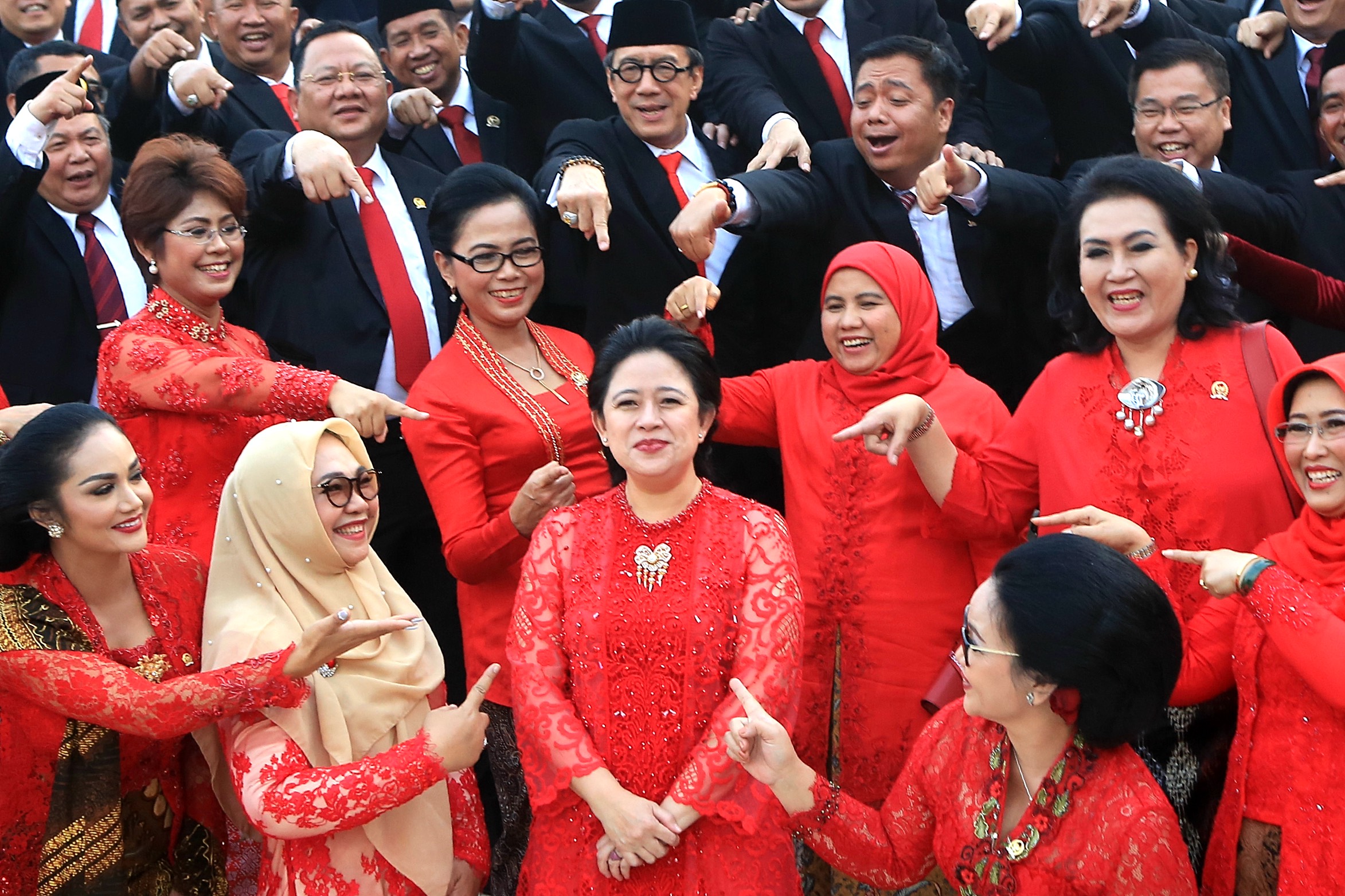
Jakarta, turkeconom.com – Women in Politics is a vital topic in Indonesia’s democratic development because representation in government affects how policies are shaped, whose voices are heard, and how inclusive political institutions become over time. As one of the world’s largest democracies, Indonesia has made visible progress in expanding women’s participation in public life, yet the path toward balanced political representation remains uneven. Female politicians, activists, and public leaders have contributed significantly at local and national levels, but structural, cultural, and institutional barriers still limit equal participation.
What makes Women in Politics especially important in the Indonesian context is that representation is not only about numbers. It is also about influence, access to leadership, policy priorities, and the ability of political systems to reflect the diversity of the population they serve. When women are more fully represented in legislatures, parties, ministries, and local government, democratic governance tends to become more inclusive and responsive. Politics, after all, works better when it resembles the society it is trying to govern rather than a very exclusive club with unusually repetitive membership.
What Women in Politics Means
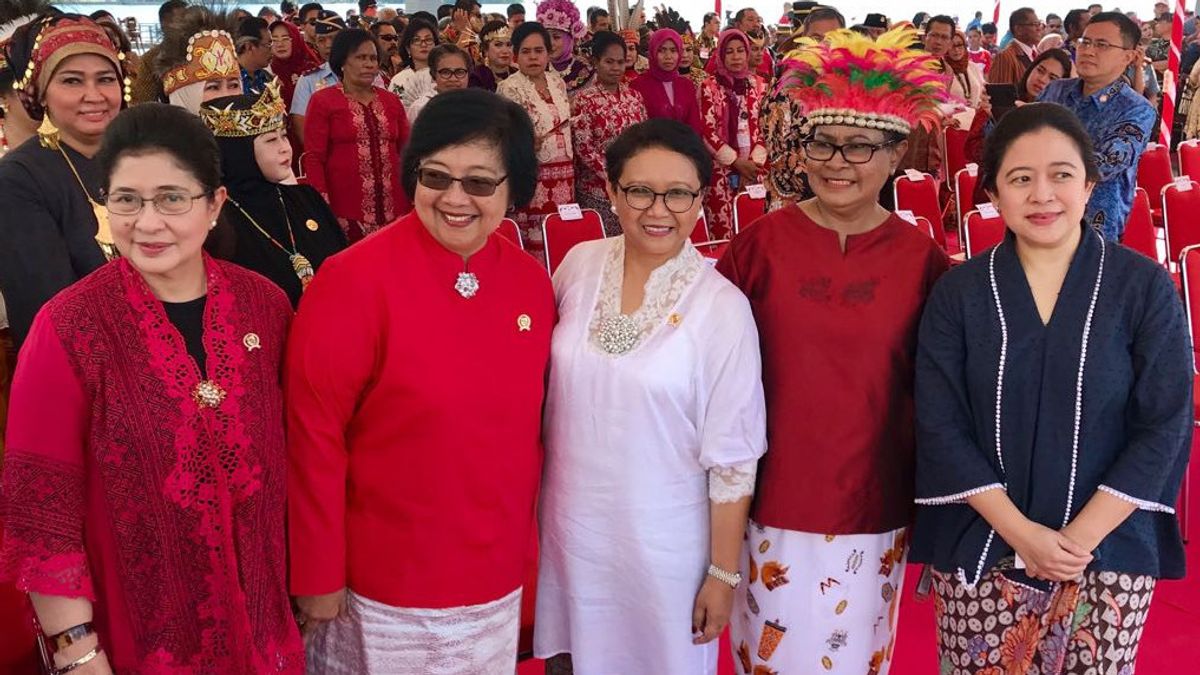
Women in Politics refers to the participation, representation, and leadership of women in political institutions and processes. In Indonesia, this includes women serving in parliament, local legislatures, executive offices, ministries, political parties, campaign organizations, policy advocacy groups, and public administration. It also includes broader efforts to ensure women have fair opportunities to run for office, influence decision-making, and shape governance outcomes.
Common features associated with Women in Politics include:
- Female participation in elections and candidacies
- Representation in national and local legislatures
- Access to party leadership and policy roles
- Gender quotas and electoral regulations
- Advocacy for inclusive governance
- Barriers related to funding, networks, and social expectations
- Public visibility of female political leaders
- Links between representation and policy responsiveness
These features explain why Women in Politics is a central issue in democratic inclusion and institutional reform.
Why Women in Politics Matters
Women in Politics matters because political representation affects both legitimacy and policy outcomes.
Democratic Inclusion
A representative political system should reflect the diversity of the population.
Broader Policy Perspectives
Greater female participation can expand attention to social welfare, education, health, labor rights, and family policy.
Leadership Diversity
Women in leadership roles challenge narrow assumptions about who can govern effectively.
Institutional Fairness
Equal opportunity in politics is part of a just and inclusive democracy.
Social Impact
Visible female leadership can influence public attitudes and inspire future generations.
These strengths explain why increasing women’s representation is an important national objective.
Core Characteristics of Women in Politics in Indonesia
The issue becomes clearer when its main dimensions are viewed together.
| Characteristic | Description | Why It Matters |
|---|---|---|
| Electoral participation | Women run as candidates and engage in campaigns | Expands democratic access |
| Legislative representation | Women hold seats in parliament and local councils | Increases voice in lawmaking |
| Party inclusion | Political parties recruit and support female members | Shapes pathways to office |
| Policy influence | Women contribute to agenda-setting and reform | Strengthens responsiveness |
| Structural barriers | Social norms, funding gaps, and limited networks remain obstacles | Explains underrepresentation |
Together, these characteristics show why Women in Politics is not only about representation but also about power, access, and institutional design.
How Female Representation Is Increasing in Indonesia Government
In Indonesia, the discussion around Women in Politics often includes the role of legal frameworks, party recruitment strategies, civil society advocacy, public education, and quota-related mechanisms intended to improve gender balance. Electoral rules encouraging women’s candidacy have helped create openings, and public awareness around gender equality has gradually expanded. Women have also gained visibility in ministerial positions, regional leadership, legislative offices, and issue-based political advocacy. However, progress is often uneven across parties, provinces, and levels of government.
It is especially associated with:
- Parliamentary gender quotas
- Women candidates in elections
- Political party reform
- Civil society and feminist advocacy
- Leadership training and mentorship
- Local and national policy participation
- Democratic inclusion efforts
This broad application shows how Women in Politics involves both institutional reform and long-term cultural change.
Challenges Facing Women in Politics
While the progress is meaningful, Women in Politics in Indonesia still faces substantial constraints.
Cultural Expectations
Traditional gender norms may discourage political ambition or leadership visibility.
Campaign Financing Barriers
Women often face more limited access to political funding and patronage networks.
Party Gatekeeping
Candidate selection processes may still favor established male networks.
Media Representation
Female politicians can be judged more harshly on appearance, personality, or family roles.
Symbolic Representation Risk
Higher numbers alone do not guarantee meaningful influence in decision-making.
These trade-offs show that increasing representation requires more than formal eligibility. It also requires supportive political conditions.
Why It Remains Important
Women in Politics remains important because a democracy becomes stronger when participation and leadership are open to the full population. In Indonesia, expanding women’s political representation supports more inclusive governance, greater legitimacy, and broader policy responsiveness. It also helps challenge long-standing inequalities that shape access to power. Progress in this area is not merely symbolic. It influences how institutions function, what issues receive attention, and how future generations understand citizenship and leadership.
It continues to stand out because it provides:
- Stronger democratic legitimacy
- Broader representation in policymaking
- Greater visibility for female leadership
- Pressure for fairer political structures
- Long-term benefits for equality and governance
This is why Women in Politics remains a crucial issue in increasing female representation in Indonesia government.
Final Thoughts
Women in Politics highlights the connection between representation, fairness, and democratic quality. In Indonesia, increasing female participation in government is essential not only for gender equality but also for building institutions that better reflect and serve society as a whole. While barriers remain, continued reform, advocacy, and leadership development can expand meaningful opportunities for women across the political system.
The key takeaway is simple. Women in Politics matters because increasing female representation in Indonesia government strengthens democracy, broadens policymaking perspectives, and supports a more inclusive political future.
Explore our “”Politic“” category for more insightful content!
Don't forget to check out our previous article: Social Security: Expanding BPJS Coverage for the Indonesian Workforce
