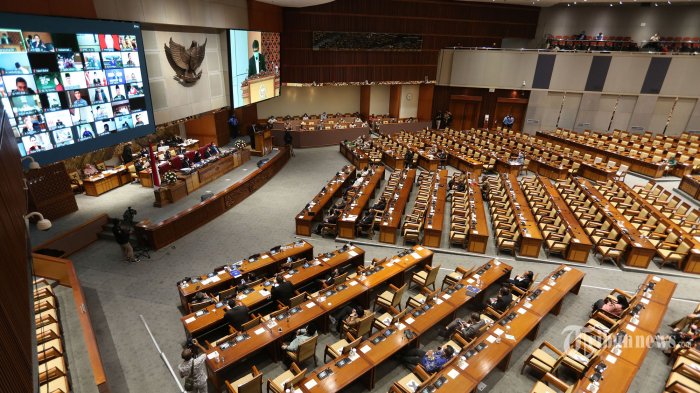
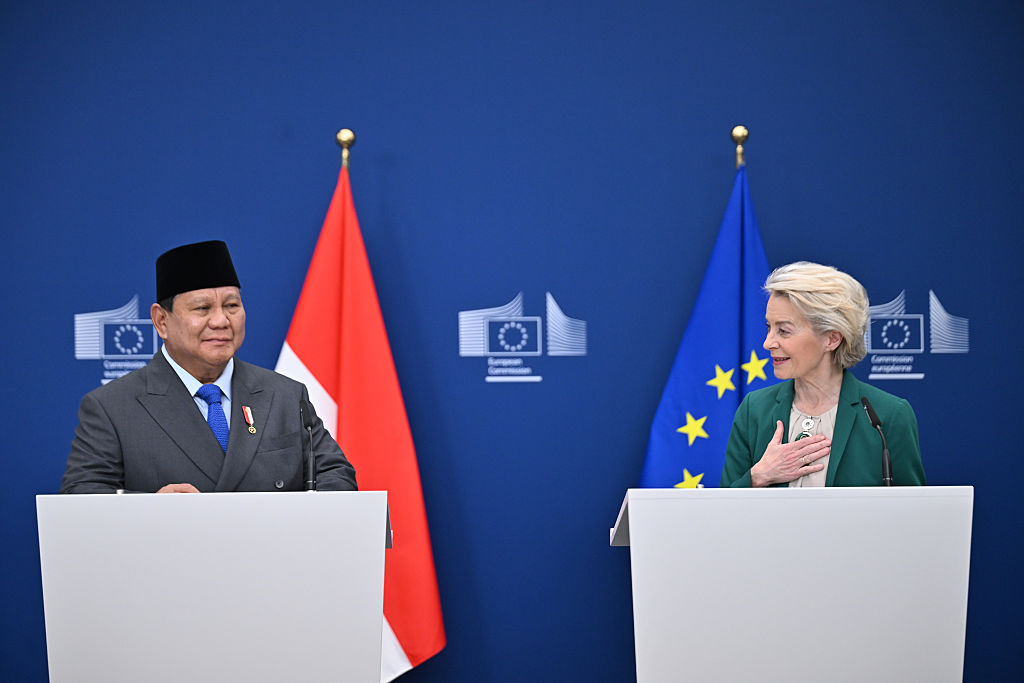
Geopolitics is the study of the effects of geography on international politics and international relations. In the context of Indonesia, a nation with a unique geographical position and rich cultural diversity, understanding its strategic interests is crucial for grasping the complexities of its role on the global stage. My exploration of Indonesia’s geopolitical landscape has provided me with valuable insights into its strategic interests, regional dynamics, and the lessons that can be applied to broader geopolitical discussions. In this article, I will share my real-life takeaways and lessons learned from studying Indonesia’s geopolitical strategies.
Indonesia’s Geopolitical Landscape

Geographic Significance
Indonesia is the largest archipelagic nation in the world, consisting of over 17,000 islands, which places it at a significant crossroads between the Pacific and Indian Oceans. This strategic location makes Indonesia a vital player in regional trade routes and security dynamics. The country’s vast maritime territory is not only rich in natural resources but also serves as a critical passage for global shipping, making it a focal point for international maritime interests.
Political Framework
As a democratic nation with a diverse population of over 270 million people, Indonesia’s political landscape is shaped by a variety of ethnicities, cultures, and religions. This diversity influences its domestic policies and international relations, as the government seeks to balance internal stability with external diplomatic engagements.
Strategic Interests of Indonesia
1. Economic Development
Indonesia’s strategic interests are heavily focused on economic growth and development. As one of the largest economies in Southeast Asia, the country aims to enhance its economic competitiveness through investments in infrastructure, technology, and human capital. The government’s initiatives, such as the “Making Indonesia 4.0” program, seek to transition the economy towards a more digital and innovation-driven landscape.
2. Maritime Security
Given its extensive maritime territory, Indonesia places a high priority on maritime security. The country faces challenges such as illegal fishing, piracy, and territorial disputes in the South China Sea. Strengthening its naval capabilities and enhancing cooperation with regional partners are essential for safeguarding its maritime interests and ensuring the safety of vital shipping routes.
3. Regional Stability and Cooperation
Indonesia plays a crucial role in promoting regional stability and cooperation within Southeast Asia. As a founding member of the Association of Southeast Asian Nations (ASEAN), it advocates for peaceful conflict resolution, economic integration, and collective security. Indonesia’s leadership in regional forums reflects its commitment to fostering a stable and prosperous Southeast Asia.
4. Environmental Sustainability
As a nation rich in biodiversity and natural resources, Indonesia has a vested interest in environmental sustainability. The country faces significant challenges related to deforestation, climate change, and natural disasters. Balancing economic development with environmental protection is a key strategic interest, as Indonesia seeks to position itself as a leader in sustainable practices and climate action.
Real-Life Takeaways and Lessons
1. The Importance of Geography
Studying Indonesia’s geopolitical landscape has reinforced the idea that geography plays a critical role in shaping a nation’s strategic interests. Countries with unique geographic positions can leverage their location to enhance economic opportunities, influence regional dynamics, and assert their presence on the global stage.
2. Balancing Domestic and Foreign Policies
Indonesia’s approach to balancing its domestic challenges with foreign policy objectives highlights the interconnectedness of national interests. Effective governance requires addressing internal issues, such as economic inequality and social cohesion, while simultaneously engaging with international partners to achieve strategic goals.
3. Collaboration is Key
Indonesia’s emphasis on regional cooperation through ASEAN underscores the importance of collaboration in addressing shared challenges. In an increasingly interconnected world, countries must work together to tackle issues such as security threats, economic development, and environmental sustainability.
4. Adaptability and Resilience
Indonesia’s ability to adapt to changing geopolitical dynamics serves as a valuable lesson in resilience. As global power shifts and new challenges emerge, countries must remain flexible in their strategies and willing to innovate in order to navigate the complexities of the international landscape.
5. Cultural Diversity as an Asset
Indonesia’s rich cultural diversity is not only a source of national pride but also an asset in its geopolitical engagements. Understanding and respecting cultural differences can enhance diplomatic relations and foster mutual respect among nations.
Conclusion
The study of geopolitics through the lens of Indonesia’s strategic interests has provided me with profound insights into the interplay between geography, politics, and international relations. As Indonesia continues to navigate its role on the global stage, its focus on economic development, maritime security, regional cooperation, and environmental sustainability will shape its future endeavors. The lessons learned from Indonesia’s geopolitical journey are applicable to broader discussions about international relations, emphasizing the importance of collaboration, adaptability, and the recognition of cultural diversity. As we engage with the complexities of geopolitics, understanding the unique circumstances of each nation will be essential for fostering a more stable and prosperous world.