Background: Suharto’s New Order
1. Suharto’s Rise to Power
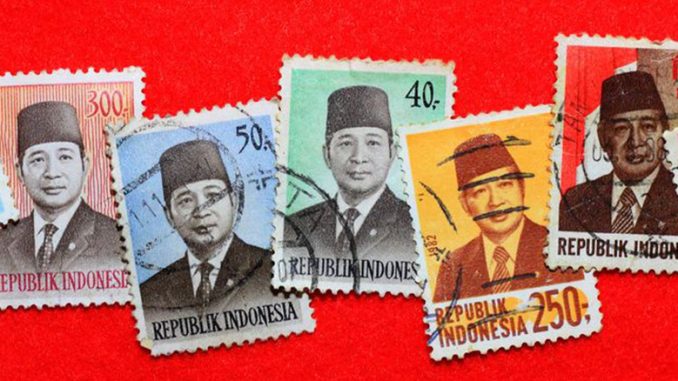
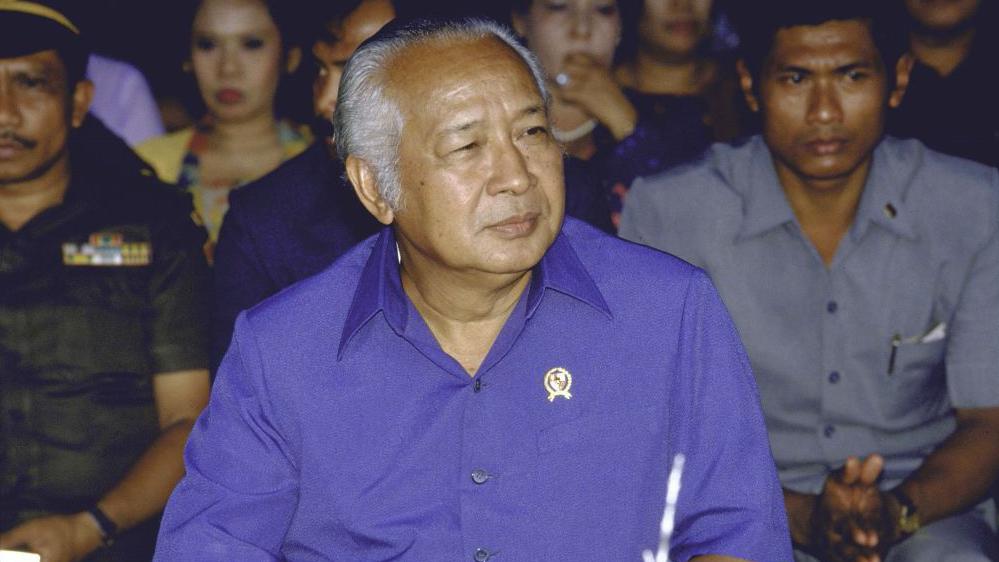
Suharto came to power in 1967 after a coup that ousted the first president of Indonesia, Sukarno. His regime, known as the New Order, was marked by a strong centralized government, military influence, and an emphasis on economic development. Initially, Suharto’s leadership brought stability and growth, but it was also characterized by widespread human rights abuses, corruption, and political repression.
2. Characteristics of the New Order
Under Suharto’s New Order, Indonesia experienced significant economic growth, particularly during the 1970s and 1980s, driven by oil exports and foreign investment. However, this growth came at the cost of political freedoms. The regime suppressed dissent, maintained strict control over the media, and limited political opposition through various means, including intimidation and imprisonment.
The Seeds of Change
1. Economic Crisis
By the late 1990s, Indonesia faced a severe economic crisis triggered by the Asian Financial Crisis. The devaluation of the Indonesian rupiah, rising unemployment, and inflation led to widespread discontent among the populace. The economic downturn exposed the vulnerabilities of Suharto’s regime and intensified calls for political reform.
2. Public Dissent and Protests
As economic conditions worsened, public protests against Suharto’s government grew in intensity. Students and civil society groups mobilized, demanding political reform, transparency, and accountability. The movement gained momentum, culminating in mass demonstrations in 1998, which played a crucial role in challenging Suharto’s authority.
The Fall of Suharto
1. The Reformasi Movement
The Reformasi movement emerged as a broad coalition of various groups advocating for democratic reforms. It called for an end to Suharto’s rule, political freedom, and the establishment of a more accountable government. The movement’s demands resonated with a population weary of corruption and authoritarianism.
2. Key Events Leading to Transition
In May 1998, a series of protests escalated, leading to violent clashes and a significant loss of life. As public pressure mounted, Suharto’s support dwindled, even among his political allies and the military. On May 21, 1998, Suharto announced his resignation, marking the end of the New Order regime.
The Era of Reformasi
1. Transition to Democracy
Following Suharto’s resignation, Indonesia entered the Reformasi era, characterized by significant political changes. The new leadership, initially under Vice President B.J. Habibie, initiated reforms aimed at democratizing the political system. These included the release of political prisoners, the lifting of restrictions on political parties, and the establishment of a more open media environment.
2. Key Reforms and Developments
- Political Liberalization: The 1999 elections marked the first free and fair elections in Indonesia since the 1950s, allowing for a more diverse political landscape.
- Decentralization: The government implemented policies to decentralize power, granting more authority to local governments and promoting regional autonomy.
- Human Rights and Accountability: Efforts were made to address past human rights abuses, though challenges remained in achieving full accountability.
3. Challenges of Reformasi
Despite the progress made during the Reformasi era, Indonesia faced numerous challenges, including political instability, corruption, and social unrest. Ethnic and religious tensions occasionally erupted into violence, highlighting the complexities of nation-building in a diverse society.
Implications and Legacy
1. Strengthening Democracy
Suharto’s democratic transition laid the groundwork for a more vibrant democratic system in Indonesia. Subsequent presidents, including Abdurrahman Wahid and Megawati Sukarnoputri, continued to build on the reforms initiated during the Reformasi period, promoting democratic governance and civil liberties.
2. Economic Recovery
Following the initial turmoil of the Reformasi era, Indonesia gradually recovered economically, becoming one of the largest economies in Southeast Asia. The transition to democracy facilitated greater foreign investment and economic growth, contributing to the country’s development.
3. Continued Challenges
While significant strides have been made toward democratization, Indonesia continues to face challenges, including corruption, political polarization, and the need for ongoing reforms to strengthen democratic institutions.
Conclusion
Suharto’s democratic transition from the New Order to Reformasi represents a significant chapter in Indonesia’s history. The fall of Suharto marked the beginning of a new era characterized by political liberalization, social change, and economic recovery. While challenges remain, the transition has paved the way for a more democratic and accountable governance structure, reflecting the aspirations of the Indonesian people for a better future.
Explore our “Politic” category for more insightful content!
Don't forget to check out our previous article: Indonesian Civil Liberties: Defending Personal Freedoms in the Indonesian Context