







Social Welfare: Supporting Communities in Indonesia
Jakarta, turkeconom.com – Social Welfare refers to the systems, policies, services, and community-based efforts designed to improve the well-being of individuals and families, especially those facing poverty, vulnerability, disability, unemployment, social exclusion, or crisis. In Indonesia, social welfare plays a crucial role in helping communities access basic needs, social protection, education support, healthcare assistance, and pathways toward economic stability. As a large and diverse archipelagic nation, Indonesia faces unique welfare challenges shaped by geography, income inequality, urban-rural gaps, disaster vulnerability, and differences in access to public services.
What makes Social Welfare especially important in Indonesia is that it serves not only as a safety net, but also as a foundation for social cohesion and national development. Effective welfare systems help protect vulnerable populations while supporting long-term human development through targeted assistance, empowerment programs, and public service delivery. In a country where local realities can differ dramatically from one region to another, social welfare must be both structured and adaptable. One size rarely fits all, especially when the size in question stretches across thousands of islands.
What Social Welfare Means
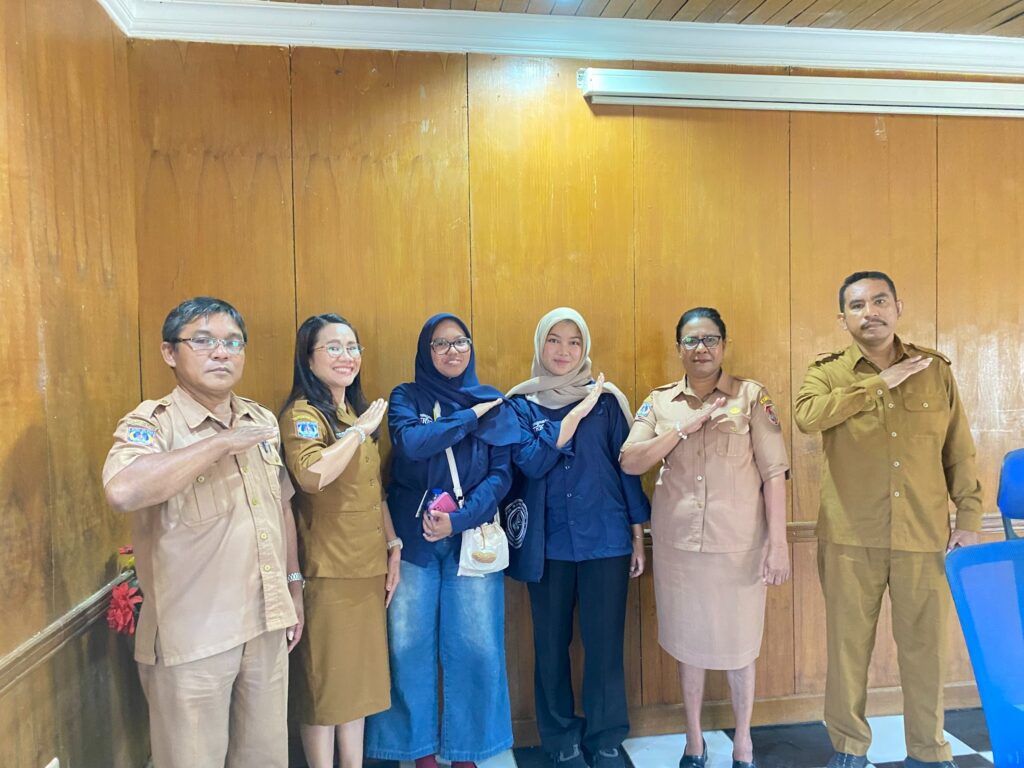
At its core, Social Welfare is the organized effort to support people’s well-being through services, assistance, protection, and empowerment.
Common areas of social welfare include:
- Poverty reduction
- Cash assistance and subsidies
- Child and family support
- Disability services
- Older People care
- Access to education and healthcare
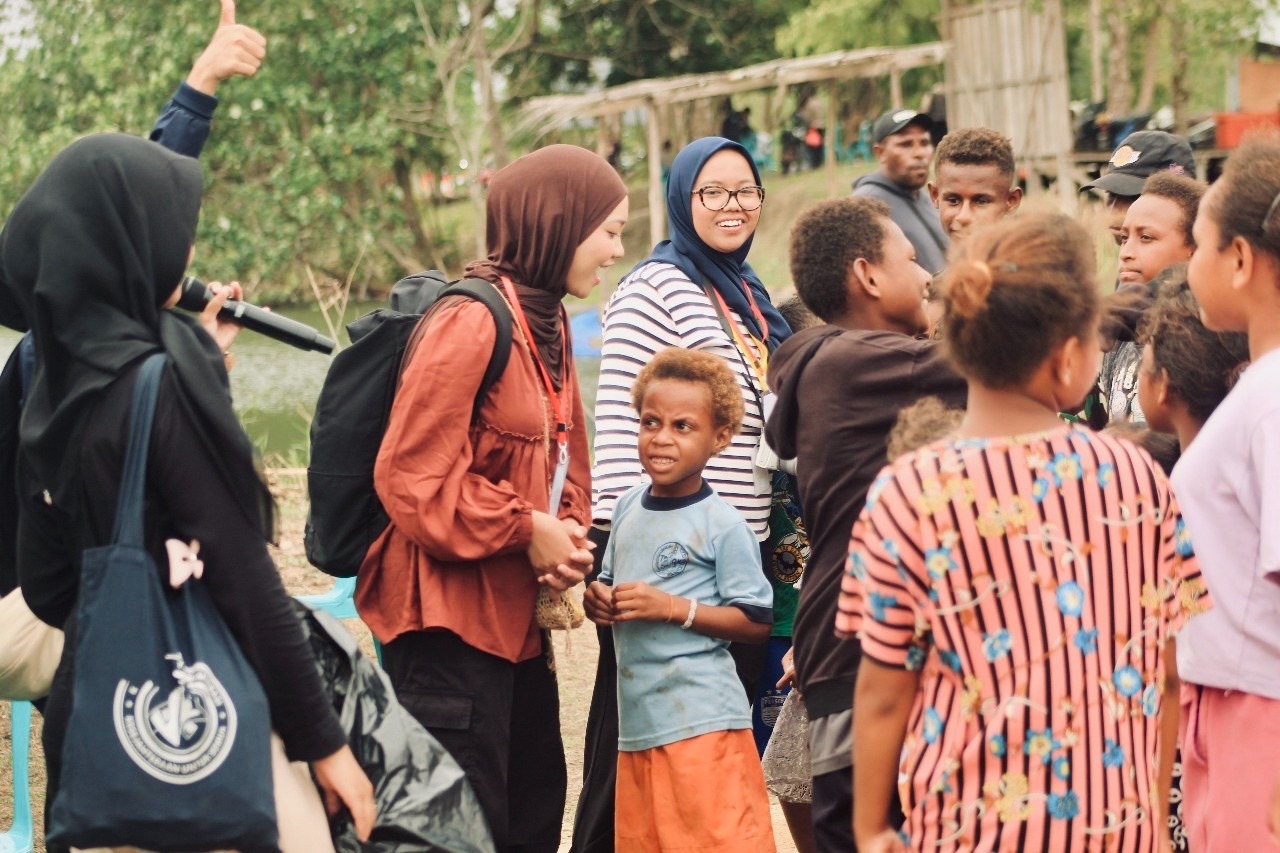
- Community development
- Emergency and disaster assistance
These areas show how social welfare addresses both immediate needs and long-term social resilience.
Why Social Welfare Matters in Indonesia
This matters because many communities depend on welfare systems to reduce hardship and improve opportunity.
Poverty and Vulnerability Reduction
Social welfare programs help households manage economic pressure and basic living needs.
Human Development
Better access to food, health, education, and support services strengthens long-term well-being.
Social Inclusion
Welfare efforts help protect groups who may be marginalized or underserved.
Community Stability
Strong social support systems reduce the risk of deeper social and economic disruption.
This is why Social Welfare remains essential to community support in Indonesia.
Key Areas of Social Welfare in Indonesia
Several major dimensions shape how Social Welfare works in the Indonesian context.
Social Assistance Programs
Cash transfers, food support, and targeted subsidies help vulnerable families meet basic needs.
Healthcare and Education Support
Welfare policy often connects directly with access to schools, medical services, and child development programs.
Community Empowerment
Programs that build local skills, livelihoods, and participation support longer-term independence.
Disaster Response and Recovery
Because Indonesia is disaster-prone, welfare systems play a major role in emergency relief and rehabilitation.
Protection for Vulnerable Groups
Children, older adults, persons with disabilities, and low-income households often require focused support.
Together, these areas define the practical reach of welfare policy and service delivery.
Social Welfare in Indonesia Overview Table
Below is a concise summary of the main dimensions of Social Welfare in Indonesia.
| Area | Main Role | Why It Matters |
|---|---|---|
| Social assistance | Supports basic household needs | Reduces immediate hardship |
| Education and health support | Improves human development | Expands long-term opportunity |
| Community empowerment | Builds local capacity | Encourages resilience and independence |
| Disaster assistance | Responds to crisis situations | Protects affected communities |
| Vulnerable group protection | Supports at-risk populations | Promotes inclusion and dignity |
Together, these dimensions show that social welfare is both protective and developmental.
Challenges Facing Social Welfare in Indonesia
Social Welfare in Indonesia is important, but it also faces real implementation challenges.
Geographic Complexity
Delivering consistent support across a vast archipelago is logistically difficult.
Data and Targeting Issues
Accurate identification of eligible households is critical for fair and effective assistance.
Unequal Access to Services
Urban and rural communities may experience very different levels of support availability.
Budget and Administrative Constraints
Program effectiveness depends on coordination, funding, monitoring, and institutional capacity.
Changing Social Risks
Economic shocks, migration, aging populations, and climate-related events create new welfare pressures.
These challenges show why effective social welfare requires continuous improvement and local sensitivity.
Strengthening Social Welfare for Indonesian Communities
Improving Social Welfare means building systems that are more responsive, inclusive, and resilient.
Better Data Systems
More accurate and updated social data improves targeting and service delivery.
Stronger Local Coordination
National and local institutions need effective collaboration for implementation.
Inclusive Program Design
Policies should reflect the needs of diverse communities and vulnerable groups.
Digital Service Delivery
Technology can improve access, efficiency, transparency, and outreach.
Long-Term Empowerment
Welfare should not only relieve hardship but also support education, skills, and economic participation.
These approaches can help welfare systems support communities more effectively over time.
Why Social Welfare Continues to Matter
Social Welfare continues to matter because community well-being depends not only on economic growth, but also on the systems that protect people when growth is uneven, fragile, or inaccessible. In Indonesia, where communities face diverse social, economic, and geographic realities, welfare plays a central role in reducing vulnerability and expanding opportunity. It helps ensure that support reaches those who need it most while strengthening the social fabric that holds communities together. A nation grows more sustainably when support is not left to chance or to who happens to live closest to services.
It continues to matter because it helps:
- Reduce poverty and hardship
- Support vulnerable populations
- Improve health and education access
- Strengthen resilience to crisis
- Promote more inclusive community development
This is why Social Welfare remains vital to supporting communities in Indonesia.
Final Thoughts
Social Welfare is a crucial part of how Indonesia supports individuals, families, and communities facing social and economic challenges. Its value lies in protecting vulnerable groups, improving access to essential services, and helping communities build greater resilience over time. In the Indonesian context, effective social welfare is not only about assistance. It is about inclusion, dignity, stability, and the long-term strength of society.
The key takeaway is simple. Social Welfare matters because stronger communities depend on systems that protect people, expand opportunity, and respond fairly to need.
Explore our “”Politic“” category for more insightful content!
Don't forget to check out our previous article: Press Freedom: Ensuring a Free and Independent Media Landscape in Indonesia
