










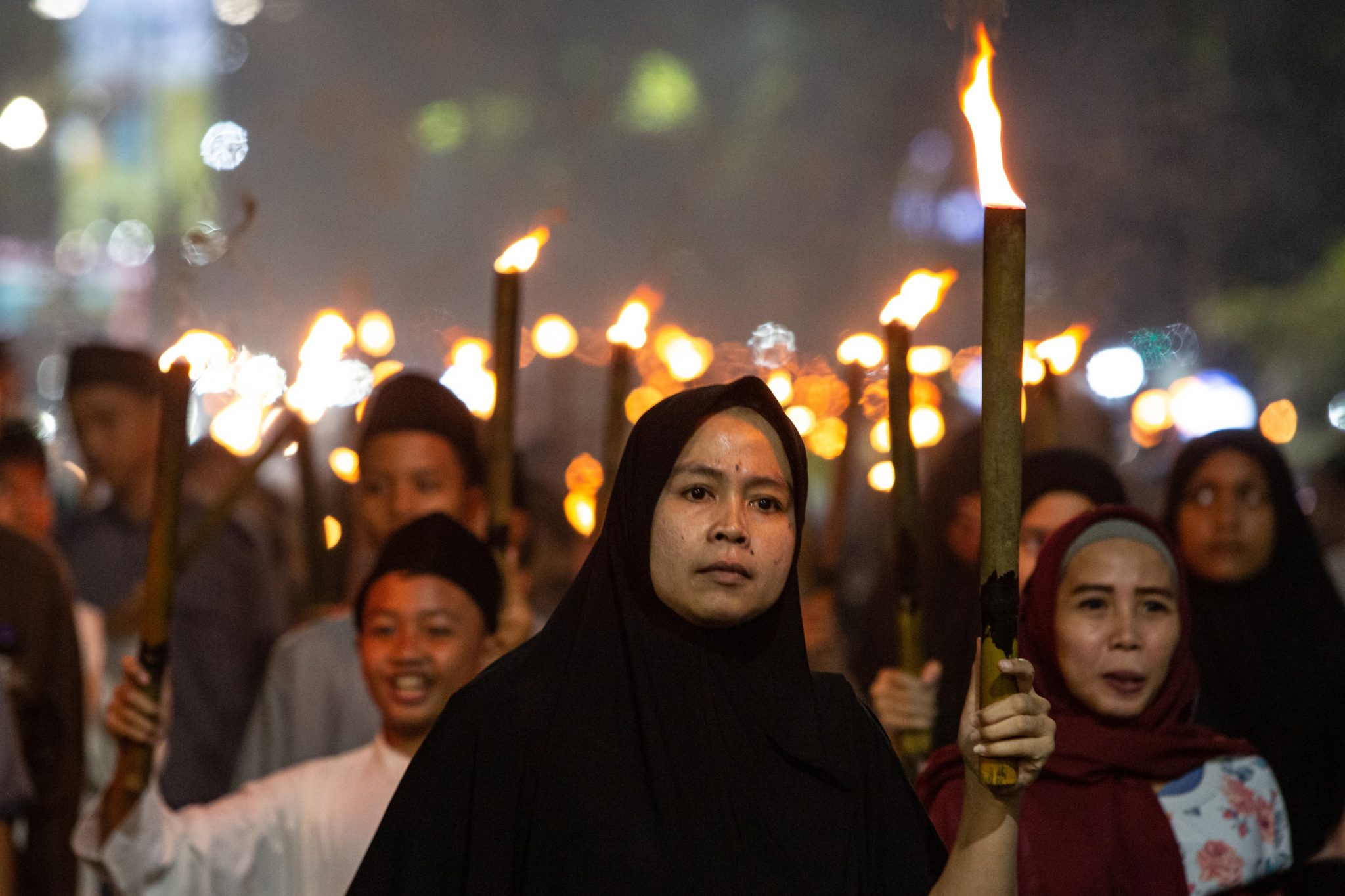
Secularism: Balancing Religion and State in Indonesia
Jakarta, turkeconom.com – Secularism is the principle of separating religious authority from state authority so that government institutions can operate independently of any single religious doctrine. In many countries, secularism is understood as a framework that protects freedom of religion, ensures equal treatment under the law, and prevents the state from favoring one faith over others. In Indonesia, however, the discussion is more complex. The country is neither a fully secular state in the strict Western sense nor a religious state governed by a single faith. Instead, Indonesia follows a national framework shaped by Pancasila, which recognizes belief in God while attempting to preserve pluralism across a highly diverse society.
What makes secularism in Indonesia especially important is the country’s social and religious composition. Indonesia is home to multiple officially recognized religions, deep regional diversity, and a long history of negotiating the relationship between faith, national identity, and constitutional governance. As a result, secularism in the Indonesian context is less about removing religion from public life and more about balancing religious influence with civic equality, state neutrality, and national unity. It is a delicate arrangement, and like many delicate arrangements, it works best when nobody tries to sit on it too hard.
What Secularism Means in the Indonesian Context
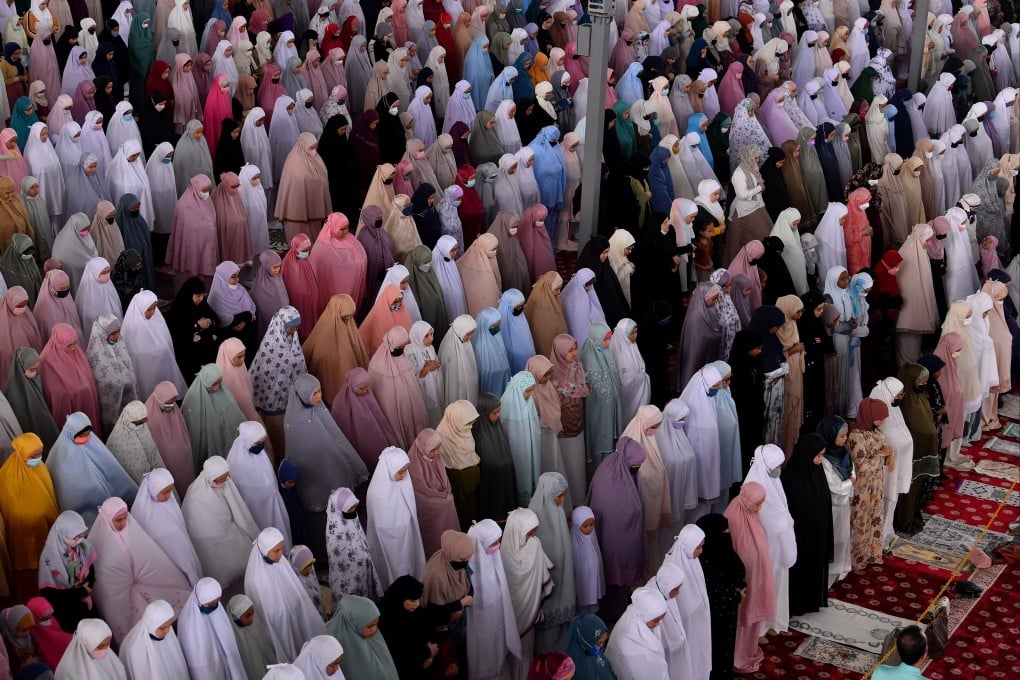
At its core, Secularism in Indonesia does not usually mean a strict exclusion of religion from politics or public institutions. Instead, it refers more broadly to the effort to prevent the domination of the state by any one religious group while maintaining recognition of religion as an important part of national life.
Common features of the Indonesian approach include:
- State recognition of religion as socially significant
- Constitutional protection for religious practice
- Rejection of a theocratic state model at the national level
- Ongoing influence of religion in public policy debates
- Use of Pancasila as a unifying ideological framework
- Tension between pluralism and majoritarian pressure
These features make Indonesia’s model distinct from more rigid forms of secularism.
Why Secularism Matters in Indonesia
This matters because Indonesia’s size, diversity, and democratic development make the religion-state relationship a central issue in national stability.
Religious Diversity
Indonesia includes Muslim majorities alongside Christian, Hindu, Buddhist, Confucian, and indigenous belief communities.
National Unity
A balanced state framework helps reduce the risk of sectarian conflict and supports coexistence.
Constitutional Governance
The state must manage law and policy in ways that protect citizens without privileging one religion unfairly.
Minority Rights
Secular principles, even when adapted locally, help support equal citizenship and religious freedom.
This is why secularism remains a significant and often contested concept in Indonesian public life.
The Role of Pancasila
A key part of understanding Secularism in Indonesia is the role of Pancasila, the national ideology.
Belief in One God
The first principle of Pancasila affirms belief in a supreme God, meaning the state is not religiously neutral in a strictly secular sense.
Pluralist Foundation
At the same time, Pancasila is designed to allow multiple religions to coexist under one national framework.
Middle Path
It functions as a compromise between an Islamic state model and a fully secular separationist model.
Civic Integration
Pancasila helps define Indonesian identity in a way that includes religion without making the state subordinate to one faith tradition.
Together, these features show why Indonesia’s system is often described as neither fully secular nor fully religious.
Secularism in Indonesia Overview Table
Below is a concise summary of the main dimensions of Secularism in Indonesia.
| Dimension | Main Role | Why It Matters |
|---|---|---|
| Pancasila | Provides ideological foundation | Balances belief and pluralism |
| State structure | Avoids formal theocracy | Supports national cohesion |
| Religious recognition | Includes multiple official faiths | Reflects social diversity |
| Public policy debates | Allows religion in civic discussion | Shapes law and democratic tension |
| Minority protections | Supports equal citizenship | Reduces risk of exclusion |
Together, these dimensions show that secularism in Indonesia is best understood as negotiated balance rather than strict separation.
Challenges to Secular Balance in Indonesia
Maintaining this balance is not simple.
Majoritarian Pressure
Because Muslims form the majority, political pressure may emerge to reflect Islamic norms more strongly in law and governance.
Local Regulations
Some regional governments have adopted rules influenced by religious norms, raising concerns about equality and uniform rights.
Minority Vulnerability
marginalized groups may face discrimination, social pressure, or legal uncertainty despite formal protections.
Political Instrumentalization of Religion
Religion can be used in electoral politics in ways that deepen polarization.
These challenges show that secular balance requires ongoing legal, political, and civic effort.
Why Secularism Continues to Matter
Secularism continues to matter in Indonesia because it offers a framework for managing religious diversity without collapsing into either exclusionary secularism or sectarian dominance. In practice, the Indonesian experience shows that religion and democracy do not simply operate in separate rooms. They share a hallway, occasionally disagree about the furniture, and still need a workable arrangement. A balanced model helps the state maintain legitimacy across communities while protecting the basic principle that citizenship should not depend on belonging to the majority faith.
It continues to matter because it helps:
- Preserve national unity in a diverse society
- Protect religious freedom
- Limit domination by any one religious group
- Support democratic inclusion
- Maintain balance between belief and citizenship
This is why secularism remains a vital issue in Indonesian political and social life.
Final Thoughts
Secularism in Indonesia is best understood not as a rigid wall between religion and state, but as an ongoing effort to balance religious presence with constitutional fairness, pluralism, and civic equality. Shaped by Pancasila, the Indonesian model recognizes religion as a public reality while resisting the formal establishment of a single religious state. Its success depends not only on legal design, but also on political restraint, minority protection, and a national commitment to coexistence.
The key takeaway is simple. Secularism matters in Indonesia because balancing religion and state is essential to preserving democracy, diversity, and equal citizenship.
Explore our “”Politic“” category for more insightful content!
Don't forget to check out our previous article: Legislative Assembly: The Heartbeat of National Unity
