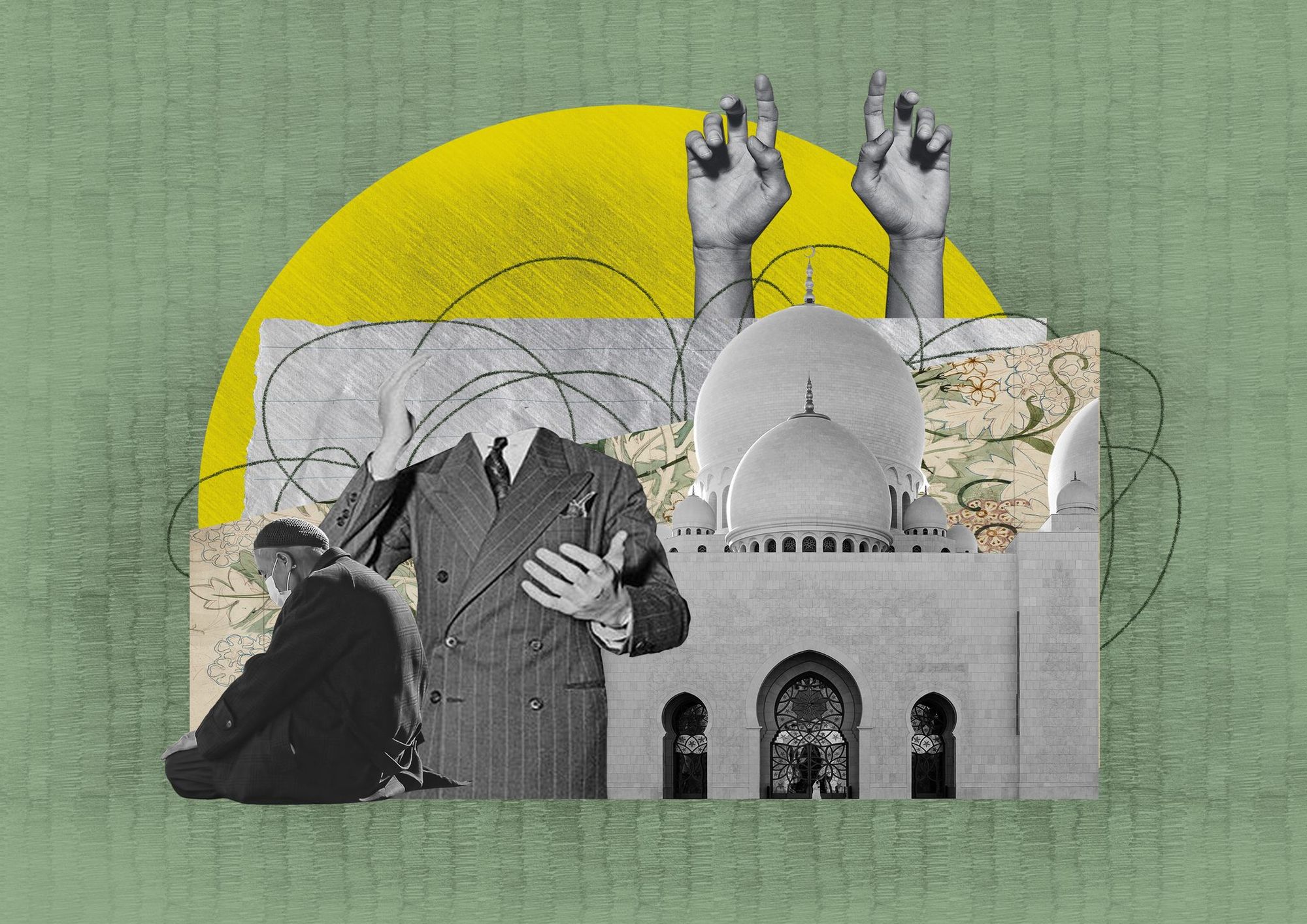
Political Islam refers to the use of Islamic principles and values in the political sphere, influencing governance, law, and public policy. This complex and often contentious relationship between religion and politics presents a unique challenge for many countries, particularly in the Muslim world. As societies strive to balance religious values with secular governance, they often find themselves walking a tightrope, navigating the demands of faith while addressing the needs of a diverse population. In this article, we will explore the intricacies of political Islam, its implications for governance, and the real-life challenges faced by nations attempting to find equilibrium.
Understanding Political Islam

Political Islam encompasses a wide range of ideologies and movements that seek to integrate Islamic principles into political life. It can manifest in various forms, from moderate political parties advocating for democratic governance rooted in Islamic values to more radical groups that seek to impose strict interpretations of Sharia law.
Key Concepts in Political Islam
- Islamism: A political ideology that seeks to implement Islamic law (Sharia) in governance and society. Islamists may advocate for a range of policies, from moderate reforms to more extreme measures.
- Secularism: The principle of separating religion from political and governmental institutions. In secular states, laws and policies are made independently of religious authorities.
- Sharia Law: An Islamic jurisprudence drawn from scripture and prophetic traditions, overseeing personal ethics, domestic law, and criminal penalties.
- Democracy: A system of governance where power is vested in the people, often through elected representatives. The compatibility of democracy with political Islam is a subject of ongoing debate.
The Tightrope of Balancing Values
1. Cultural and Historical Contexts
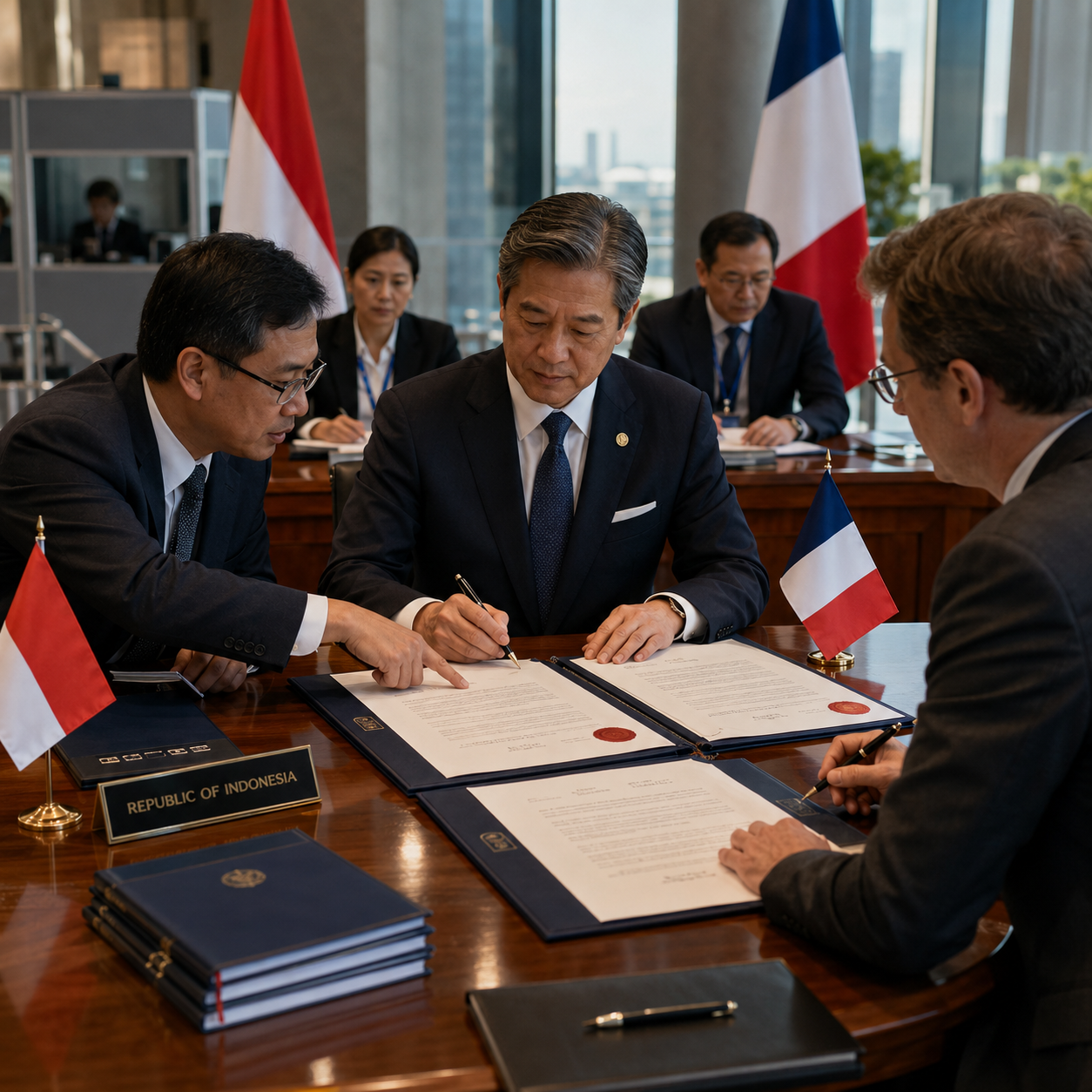
The relationship between political Islam and secular governance is deeply influenced by cultural and historical contexts. In many Muslim-majority countries, colonial legacies, historical conflicts, and social dynamics shape how Islam is integrated into political life. For example, nations like Turkey and Indonesia have adopted secular frameworks while still accommodating Islamic values, whereas others, like Iran and Saudi Arabia, have embraced more theocratic models.
2. Public Sentiment and Political Movements
Public sentiment plays a critical role in shaping the political landscape. In countries where a significant portion of the population identifies strongly with Islamic values, political movements that advocate for political Islam can gain substantial support. This has been evident in the rise of parties like the Justice and Development Party (AKP) in Turkey and the Ennahda Movement in Tunisia, which have sought to blend Islamic principles with democratic governance.
3. Challenges of Governance
Governments in Muslim-majority countries face the challenge of addressing the diverse needs and beliefs of their populations. Balancing religious values with secular governance requires careful navigation to avoid alienating segments of society. For instance, implementing policies that align with Islamic values while respecting minority rights and secular principles can be contentious.
Real-Life Examples
1. Turkey: A Model of Secularism and Islamism
Turkey presents a unique case study in the balancing act between political Islam and secular governance. Founded as a secular republic by Mustafa Kemal Atatürk in the early 20th century, Turkey has experienced a shift in recent years with the rise of the AKP, which promotes a more Islam-oriented agenda. While the AKP has successfully integrated Islamic values into governance, it has faced criticism for undermining secular institutions and eroding democratic norms.
2. Tunisia: Navigating Democratic Transition
Tunisia’s transition to democracy following the Arab Spring is another example of the complexities of political Islam. The Ennahda Movement, an Islamist party, played a significant role in the post-revolution political landscape. While Ennahda has sought to balance Islamic principles with democratic governance, it has faced challenges in addressing the expectations of secularists and liberals within the country.
3. Egypt: The Struggle for Power
Egypt’s experience with political Islam highlights the tensions that can arise when religious values intersect with governance. The election of the Muslim Brotherhood’s Mohamed Morsi in 2012 marked a significant moment for political Islam in the country. However, his presidency faced widespread opposition, leading to his ousting in 2013. The subsequent crackdown on political Islamists raised questions about the future of governance in Egypt and the role of Islam in politics.
The Path Forward
1. Promoting Dialogue and Inclusivity
To navigate the tightrope of political Islam and secular governance, fostering dialogue among diverse groups is essential. Encouraging inclusive political processes that respect both religious and secular perspectives can help build consensus and promote stability.
2. Educating for Tolerance
Education plays a crucial role in shaping public perceptions of political Islam and secular governance. Promoting tolerance and understanding of different viewpoints can help mitigate tensions and foster a more harmonious society.
3. Adapting to Changing Dynamics
As societies evolve, so too must their approaches to governance. Political leaders and institutions should be adaptable, recognizing the changing dynamics of public sentiment and the need for responsive governance that reflects the values of all citizens.
Conclusion
Political Islam presents both opportunities and challenges for nations striving to balance religious values with secular governance. The real-life tightrope that many countries walk reflects the complexities of integrating faith into political life while respecting the diverse beliefs of their populations. By promoting dialogue, inclusivity, and education, societies can work toward a more harmonious coexistence of political Islam and secular governance, paving the way for a future that respects both tradition and modernity.