










Partai Perindo: Populism, Welfare, and its Vision for Indonesia’s Future—My Honest Take
JAKARTA, turkeconom.com – Ever wondered what really drives Partai Perindo: Populism, Welfare, and its Vision for Indonesia’s Future? Let me walk you through what I’ve seen and learned—stuff you won’t get just from campaign posters or breaking news.
Partai Perindo (Partai Persatuan Indonesia), founded in 2015 by media tycoon Hary Tanoesoedibjo, positions itself as a populist‐welfare party aiming to bridge the gap between elite policymaking and grassroots needs. With a platform built around social safety nets, economic empowerment, and national unity, Perindo seeks to carve out a distinctive niche in Indonesia’s crowded multiparty system. In this article, I’ll unpack its origins, populist tactics, core welfare proposals, long-term vision, real‐world impact, and offer my candid assessment of its strengths and shortcomings.
1. Background: Who Is Partai Perindo?
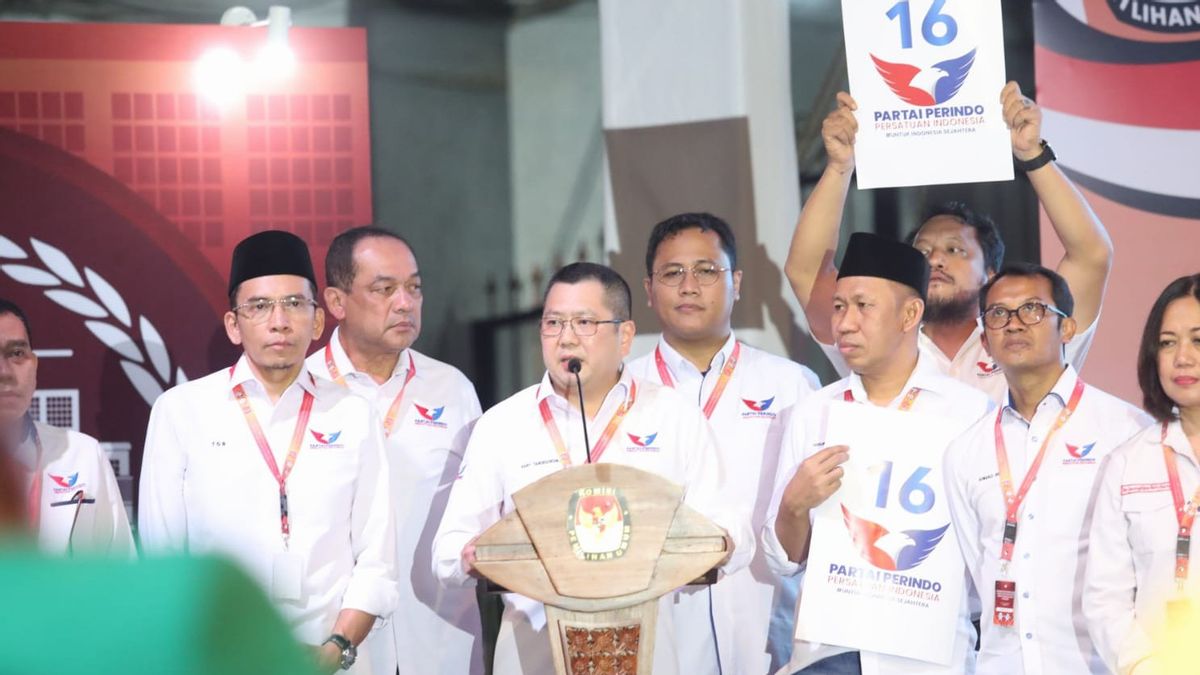
- Established: February 7, 2015
- Founder/Chairman: Hary Tanoesoedibjo
- Core Ideology: Populism with an emphasis on economic welfare and national cohesion
- Election Footprint: Participated in the 2019 and 2024 general elections, winning a modest share of votes but no seats in the DPR (House of Representatives)
2. Populist Approach
Perindo leverages several populist tactics to connect with voters:
- Direct Messaging: Frequent rallies and social-media campaigns featuring Hary Tanoesoedibjo speaking in plain language
- “People’s Products”: Branding itself as the champion of small traders and farmers rather than big business
- Anti-Elite Rhetoric: Framing other established parties as out‐of‐touch bureaucracies that ignore ordinary Indonesians
- Symbolic Gestures: Free medical camps, mobile clinics, and disaster relief efforts to showcase instant impact
3. Welfare Agenda: Key Policy Pillars
- Universal Healthcare Access
• Subsidized BPJS for low-income families
• Expansion of mobile clinics to remote areas - Education & Vocational Training
• Free digital literacy courses for youth
• Scholarships for underprivileged students in rural provinces - Small and Medium-Enterprise (SME) Support
• Microcredit schemes with low interest rates
• Mentorship programs pairing SMEs with Perindo business networks - Social Safety Nets
• Conditional cash transfers tied to school attendance and immunization
• Food-security programs in urban slums and outer islands
4. Vision for Indonesia’s Future
Partai Perindo articulates a multi-pronged vision:
- Digital Economy Leadership: Building e-commerce hubs in every province
- Maritime Sovereignty: Strengthening coastal communities through aquaculture and fisheries modernization
- Inclusive Growth: Narrowing the urban–rural divide with infrastructure and digital connectivity
- National Unity: Emphasizing Pancasila values to foster tolerance across ethnic and religious lines
5. Real-World Impact & Initiatives
- COVID-19 Response: Distributed PPE and ran vaccination drives in Jakarta, Central Java, and East Nusa Tenggara
- Disaster Relief: Rapid deployment of food packages and mobile health units after the 2018 Lombok earthquake
- Youth Engagement: Organized startup bootcamps in Bandung and Makassar, resulting in several local tech ventures
6. My Honest Take: Strengths and Criticisms
Strengths
- Tangible Grassroots Activities: Free clinics and microcredit schemes generate real goodwill.
- Clear Branding: A consistent narrative—“people before politics”—resonates with disenfranchised voters.
- Agile Campaigning: Digital outreach and local events allow Perindo to pivot quickly.
Criticisms
- Policy Depth: Many proposals lack detailed budgets, timelines, or responsible agencies.
- Electoral Performance: Despite heavy media presence, Perindo has yet to secure representation in the national legislature.
- Over-Reliance on a Single Figure: Tied closely to Hary Tanoesoedibjo’s personality, risking instability if leadership changes.
- Populism vs. Governance: Quick relief efforts win headlines but may not translate into sustainable institutional reforms.
7. Recommendations for Moving Forward
- Develop Comprehensive White Papers: Flesh out welfare policies with cost estimates, implementation plans, and KPIs.
- Build Internal Cadre Capacity: Invest in training local cadres in public administration and policy analysis.
- Forge Coalitions: Partner with like-minded parties and civil-society organizations to amplify legislative impact.
- Strengthen Institutional Structures: Move beyond personal branding by empowering regional and youth wings with decision-making authority.
- Emphasize Accountability: Publish periodic progress reports on welfare programs and disaster-relief spending.
Conclusion
Partai Perindo’s blend of populist rhetoric and welfare-driven initiatives offers a refreshing contrast to traditional elite politics. Yet, to transition from a media-savvy outsider to a governing force, it must deepen its policy frameworks, secure legislative seats, and institutionalize its grassroots successes. By balancing charismatic leadership with robust governance structures, Perindo can transform its vision for Indonesia’s future into tangible, lasting change.
Sharpen Your Skills: Delve into Our Expertise on Politic
Check Out Our Latest Piece on Political Culture: Values and Beliefs in Indonesia Politics!
