







New Order: Examining the Legacy of Authoritarian Rule in Indonesia
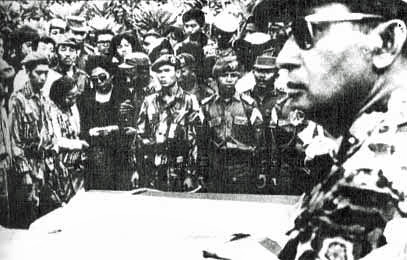
Jakarta, turkeconom.com – New Order refers to the political era in Indonesia associated with the authoritarian rule of President Suharto, who governed from the late 1960s until 1998. This period shaped the country’s political institutions, economic development, military influence, media environment, and social order in profound ways. For many Indonesians and observers of Southeast Asian history, the New Order remains one of the most important and contested chapters in the nation’s modern past.
What makes the New Order especially significant is that its legacy is both visible and deeply debated. It is remembered by some for political stability and economic growth, and by others for repression, censorship, corruption, human rights abuses, and the concentration of power. In practical terms, it was a system that promised order and development, but often delivered them with a very heavy hand and very little patience for dissent.
Understanding the New Order
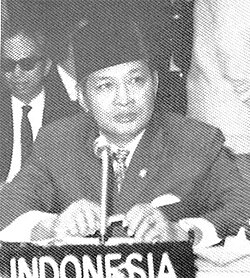
To examine its legacy clearly, it helps to define what the New Order was and what distinguished it from other periods in Indonesian history.
Core meaning
New Order commonly refers to:
- The political regime led by Suharto after the fall of Sukarno
- A centralized and authoritarian system of governance
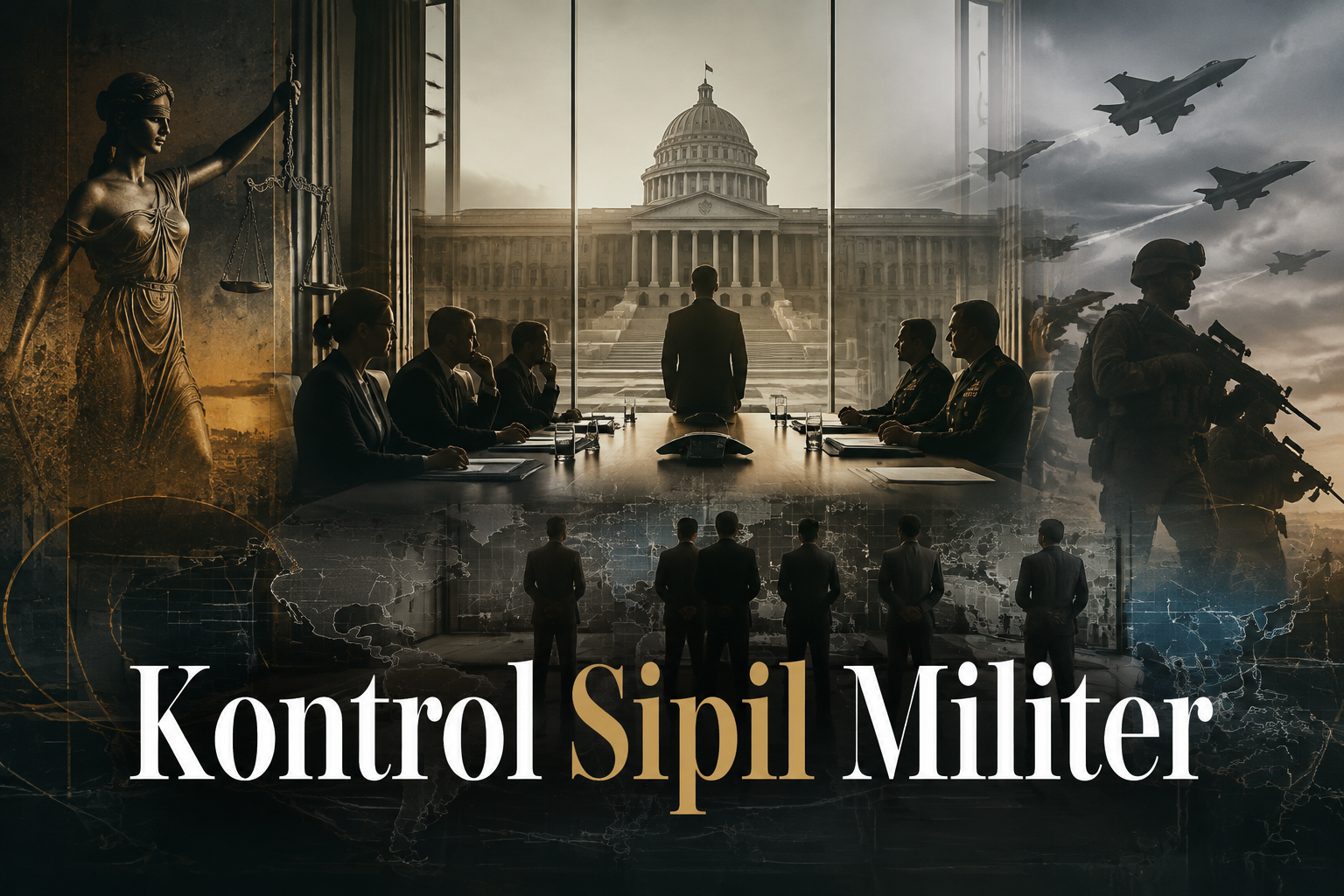
- Strong military involvement in political and civil life
- Tight control over media, political expression, and opposition
- A development focused state that emphasized stability and growth
These features made the New Order a dominant force in Indonesia for more than three decades.
Why it matters
Its importance comes from the way it shaped:
- The structure of Indonesian political power
- State and military relations
- National economic policy
- Public memory and historical narratives
- The transition toward Reformasi after 1998
This gives the New Order lasting historical and political significance.
Authoritarian Rule and State Control
At the heart of the New Order was a political system designed to maintain control, suppress opposition, and preserve regime stability.
How authoritarian rule operated
The regime maintained authority through:
- Restrictions on political competition
- Censorship and media control
- Surveillance and suppression of dissent
- Military influence in governance
- Centralization of decision making
These mechanisms limited democratic participation and narrowed public space.
Why control mattered to the regime
State control was justified in the name of:
- National stability
- Economic development
- Anti communist security
- Social order and unity
While these goals were politically powerful, they often came at the cost of civil liberties and political freedom.
The Legacy of the New Order in Indonesia
The New Order left behind a complex legacy that continues to influence Indonesia’s institutions, society, and political culture.
Areas of lasting impact
Its legacy can be seen in:
- Bureaucratic and political centralization
- The historical role of the military
- Ongoing debates about justice and memory
- Development patterns and economic inequality
- Public attitudes toward authority and order
These effects did not disappear when the regime ended.
A contested historical memory
The New Order is still debated because it is associated with:
- Economic modernization and infrastructure growth
- Corruption, collusion, and nepotism
- Human rights abuses
- Limits on democratic life
- Uneven distribution of development benefits
This makes it a period that cannot be understood through a single narrative.
Main Legacy Overview
Below is a concise overview of the main dimensions of the New Order legacy.
| Dimension | Main Role | Why It Matters |
|---|---|---|
| Political Control | Centralized authority and limited opposition | Shaped the structure of authoritarian rule |
| Military Influence | Expanded military role in civil affairs | Affected governance and public life |
| Economic Development | Pursued growth and modernization | Contributed to both progress and inequality |
| Media Censorship | Restricted information and criticism | Limited public freedom and debate |
| Historical Memory | Left competing interpretations of the era | Continues to shape national discourse |
Together, these dimensions explain why the New Order remains such a significant subject in Indonesian history.
Why the New Order Still Matters
New Order still matters because Indonesia continues to reckon with the institutional habits, unresolved injustices, and political narratives that emerged during that era. The country’s democratic development after 1998 cannot be fully understood without reference to the structures and experiences that preceded it.
Lasting significance
It remains important because it:
- Influenced the evolution of Indonesian democracy
- Shaped the relationship between state power and society
- Left unresolved human rights and historical questions
- Affected how stability and authority are understood
- Continues to inform political memory and public debate
Broader perspective
New Order shows that authoritarian rule can leave behind both material achievements and deep democratic scars. By examining its legacy in Indonesia, it becomes possible to better understand how power, development, fear, and memory can shape a nation long after a regime has ended.
Key Takeaways
New Order refers to Indonesia’s long era of authoritarian rule under Suharto, marked by centralized power, military influence, development driven governance, and a deeply contested legacy.
Main lessons
- New Order was a defining political era in modern Indonesian history
- The regime emphasized stability, control, and development
- Its rule relied on authoritarian mechanisms and restricted freedoms
- Its legacy includes both economic change and democratic damage
- It continues to matter because its effects remain present in institutions and public memory
Final perspective
The key takeaway is that the New Order cannot be understood only as a period of stability or only as a period of repression. Its real significance lies in the lasting tension between development and authoritarianism, and in the continuing effort to understand how that history still shapes Indonesia today.
Explore our “”Politic“” category for more insightful content!
Don't forget to check out our previous article: Public Accountability: Citizen Oversight of Officials and Indonesia Policies
