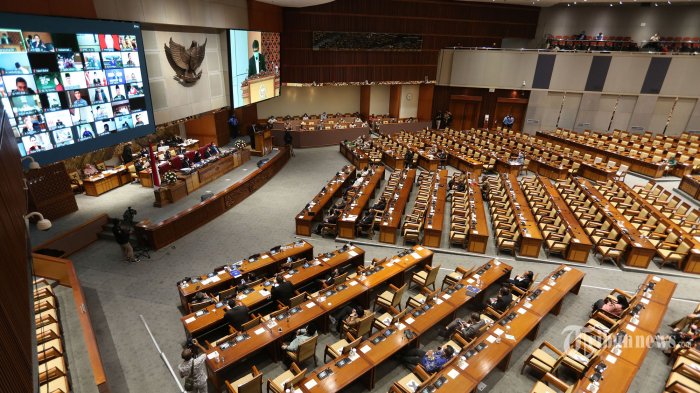
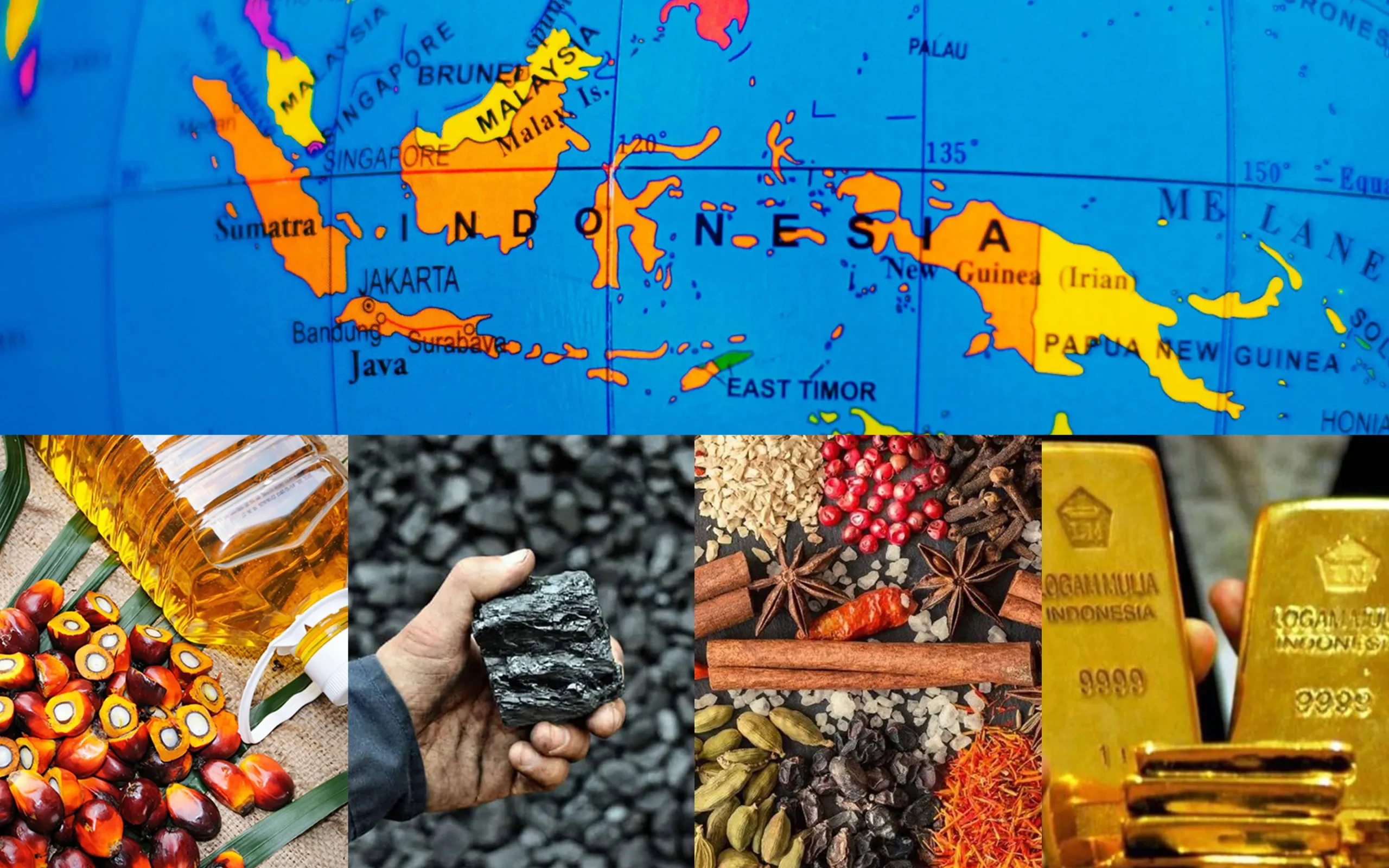
Natural resources play a pivotal role in shaping the political landscape of Indonesia, a country rich in biodiversity and mineral wealth. From oil and gas to timber and minerals, these resources have not only fueled economic growth but also influenced political dynamics, social tensions, and environmental policies. My journey through Indonesia has provided me with a firsthand look at how natural resources impact governance, community relations, and national development. In this article, I will share my up-close experience analyzing the intricate relationship between natural resources and Indonesian politics.
Understanding Indonesia’s Natural Resource Wealth
Overview of Natural Resources
Indonesia is endowed with an abundance of natural resources, including:
- Oil and Gas: Indonesia is one of the largest producers of oil and natural gas in Southeast Asia, contributing significantly to its economy.
- Minerals: The country is rich in minerals such as tin, nickel, copper, and gold, which are vital for both domestic use and export.
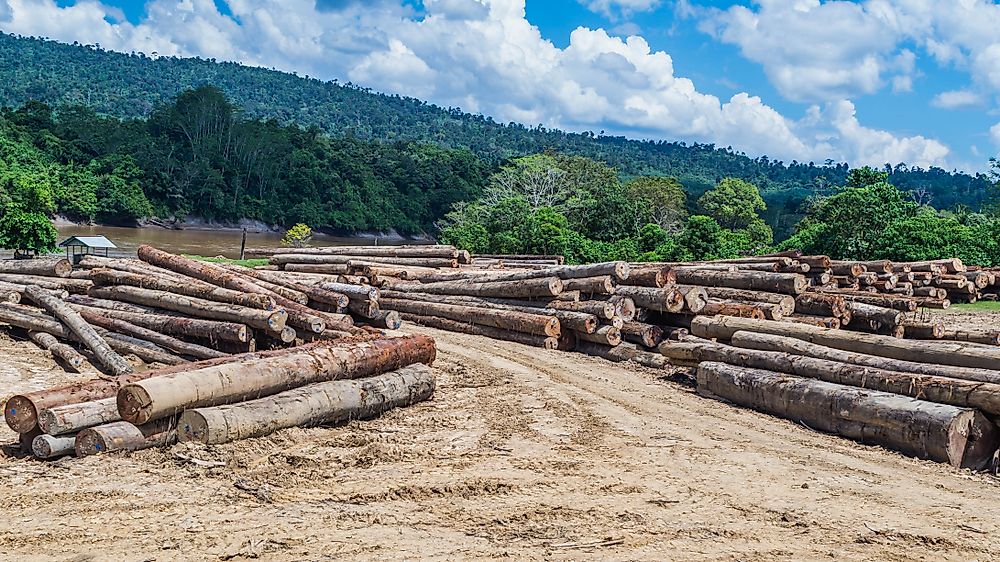
- Forestry: Indonesia has vast forested areas that provide timber and play a crucial role in the global supply chain, but they are also under threat from illegal logging and deforestation.
- Biodiversity: The country is home to diverse ecosystems that are critical for conservation efforts and sustainable development.
Economic Impact
Natural resources have been a double-edged sword for Indonesia. While they have driven economic growth, they have also led to challenges such as corruption, environmental degradation, and social inequality. The revenue generated from these resources has often been mismanaged, leading to calls for greater transparency and accountability in governance.
My Up-Close Experience
1. Field Visits to Resource-Rich Areas
During my travels across Indonesia, I visited regions rich in natural resources, such as Sumatra and Kalimantan. In these areas, I witnessed the direct impact of resource extraction on local communities. For instance, in a small village near a palm oil plantation, I observed how the local economy relied heavily on the industry, providing jobs and income. However, I also noted the environmental consequences, including deforestation and loss of biodiversity, which raised concerns among residents about the sustainability of their livelihoods.
2. Engaging with Local Communities
I had the opportunity to engage with local communities affected by resource extraction. Conversations with villagers revealed a complex relationship with the companies operating in their areas. While some residents appreciated the economic benefits, others expressed frustration over land rights issues and inadequate compensation. This highlighted the need for more inclusive policies that consider the voices of local communities in decision-making processes regarding natural resource management.
3. Observing Political Dynamics
In my exploration of Indonesian politics, I observed how natural resources influenced political campaigns and governance. Politicians often leverage resource wealth to gain support, promising development and infrastructure projects in exchange for votes. However, this has led to a cycle of patronage and corruption, undermining democratic processes. The struggle for power among political elites often revolves around control of resource-rich areas, leading to conflicts that can destabilize regions.
4. Environmental Advocacy and Policy Challenges
My experience also allowed me to witness the efforts of environmental activists and NGOs working to address the challenges posed by resource extraction. These groups advocate for sustainable practices and the protection of ecosystems, pushing for stronger regulations and enforcement. I attended a seminar where experts discussed the importance of balancing economic growth with environmental conservation, emphasizing that Indonesia’s future depends on sustainable resource management.
5. Government Initiatives and Reforms
I learned about various government initiatives aimed at improving natural resource governance. The Indonesian government has made strides in promoting transparency through policies such as the Extractive Industries Transparency Initiative (EITI). However, the effectiveness of these reforms remains a topic of debate, as implementation often faces obstacles due to entrenched interests and bureaucratic inefficiencies.
6. The Role of International Stakeholders
My interactions with international organizations highlighted the global dimension of Indonesia’s natural resource politics. Foreign companies play a significant role in resource extraction, and their practices can impact local communities and the environment. Discussions about corporate social responsibility and ethical sourcing underscored the need for international stakeholders to engage responsibly with Indonesia’s natural resources.
Conclusion
My up-close experience analyzing the role of natural resources in Indonesian politics has revealed the intricate and often contentious relationship between resource wealth, governance, and community welfare. While natural resources have the potential to drive economic growth and development, they also pose significant challenges related to environmental sustainability, social equity, and political integrity. Moving forward, it is crucial for Indonesia to adopt inclusive and transparent policies that prioritize the needs of local communities while ensuring the sustainable management of its rich natural resources. By fostering a balanced approach, Indonesia can navigate the complexities of its resource wealth and work towards a more equitable and sustainable future.