







Nahdlatul Ulama: The Power Behind Indonesia’s Faith and My Eye-Opening Journey
JAKARTA, turkeconom.com – Nahdlatul Ulama: The Power Behind Indonesia’s Faith isn’t just a headline—it’s something I’ve seen firsthand. When I first moved to Surabaya for work, I honestly had no clue how deep Nahdlatul Ulama’s (NU) roots go here. From mosques to schools, their influence is everywhere, shaping daily life, traditions, and even a bit of politic.
Nahdlatul Ulama (NU) is one of the largest Islamic organizations in Indonesia and plays a significant role in shaping the nation’s religious landscape. Founded in 1926, NU has been a vital force in promoting moderate Islam, social justice, and community development throughout the country. This article explores the history, principles, and impact of Nahdlatul Ulama, along with my personal journey in understanding its significance in Indonesian society.
What is Nahdlatul Ulama?
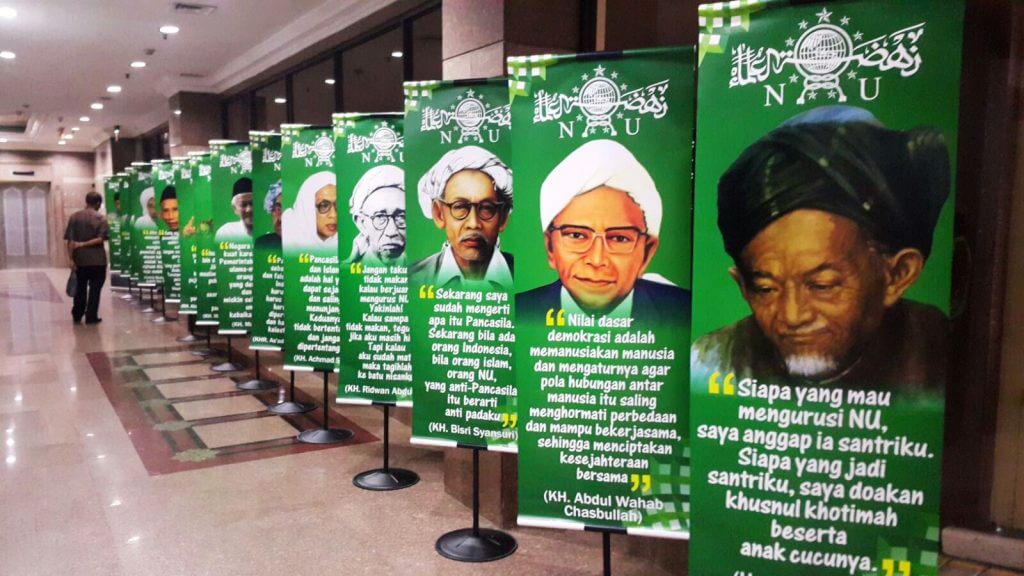
Nahdlatul Ulama translates to “Revival of the Scholars” and was established to preserve and promote traditional Islamic teachings while adapting to the modern world. The organization primarily focuses on the teachings of Ahlussunnah wal Jama’ah, emphasizing a moderate and inclusive interpretation of Islam. With millions of members, NU has a vast network of schools, mosques, and community organizations that contribute to its mission of fostering harmony and social welfare.
History and Founding
Nahdlatul Ulama was founded in response to the growing influence of modernist Islamic movements in Indonesia. The founders, including Kyai Haji Hashim Ash’ari, aimed to protect traditional Islamic practices and uphold the values of local culture. Over the decades, NU has evolved into a prominent socio-religious organization, advocating for education, social justice, and interfaith dialogue.
Core Principles of Nahdlatul Ulama
Nahdlatul Ulama is built on several core principles that guide its activities and beliefs:
- Moderation: NU promotes a moderate approach to Islam, encouraging its followers to embrace tolerance and understanding among different religious and cultural groups.
- Community Development: The organization emphasizes social welfare and community development, establishing schools, health clinics, and economic programs to uplift the marginalized.
- Education: Education is a cornerstone of NU’s mission. The organization runs thousands of Islamic boarding schools (pesantren) that provide religious and secular education to students.
- Social Justice: NU advocates for social justice, fighting against poverty, inequality, and discrimination. The organization actively engages in humanitarian efforts and disaster relief.
- Interfaith Dialogue: Promoting peace and harmony among different faiths is essential to NU’s philosophy. The organization encourages dialogue and cooperation with other religious communities to foster mutual respect.
My Eye-Opening Journey with Nahdlatul Ulama
My journey with Nahdlatul Ulama began when I first visited one of its pesantren during a cultural exchange program in Indonesia. I was struck by the vibrant atmosphere, where students engaged in discussions about religious texts, social issues, and community service. The dedication of the teachers and students to both religious and academic excellence was inspiring.
Learning About Tolerance
During my time at the pesantren, I attended several discussions on the importance of tolerance and understanding in Islam. The emphasis on moderation and respect for other beliefs resonated deeply with me. I learned that NU actively promotes interfaith dialogue, working with leaders from various religions to build bridges and foster peace.
Community Engagement
I also had the opportunity to participate in community service projects organized by NU. From distributing food to the less fortunate to participating in environmental clean-up initiatives, I witnessed firsthand the organization’s commitment to social justice and community development. It was eye-opening to see how faith can drive positive change in society.
Embracing Diversity
One of the most impactful moments of my journey was attending a local NU gathering where members celebrated cultural diversity through music, dance, and storytelling. This event highlighted the rich tapestry of Indonesian culture and the organization’s dedication to inclusivity. It reinforced my belief that faith can coexist with cultural expression in a harmonious way.
Conclusion
Nahdlatul Ulama is more than just an Islamic organization; it is a powerful force for good in Indonesia, promoting moderation, social justice, and community development. My journey with NU opened my eyes to the importance of tolerance, education, and interfaith dialogue in fostering a peaceful society. As Indonesia continues to navigate its diverse cultural and religious landscape, Nahdlatul Ulama remains a beacon of hope, guiding its followers towards a future rooted in compassion and understanding. Through my experiences, I have come to appreciate the profound impact that such organizations can have in shaping not only individual lives but also entire communities.
Explore our “Politic” category for more insightful content!
Don't forget to check out our previous article: Republic of Indonesia: Politics Secrets You Must Know
