Indonesia, as one of Southeast Asia’s largest economies, faces unique challenges and opportunities in managing its energy resources. With a diverse range of energy sources, including fossil fuels, renewable energy, and bioenergy, the country’s energy policy plays a crucial role in shaping its economic growth, environmental sustainability, and energy security. In this article, we will explore Indonesia’s approach to energy policy, highlighting real experiences and insights that reflect the nation’s current energy landscape.
Overview of Indonesia’s Energy Landscape
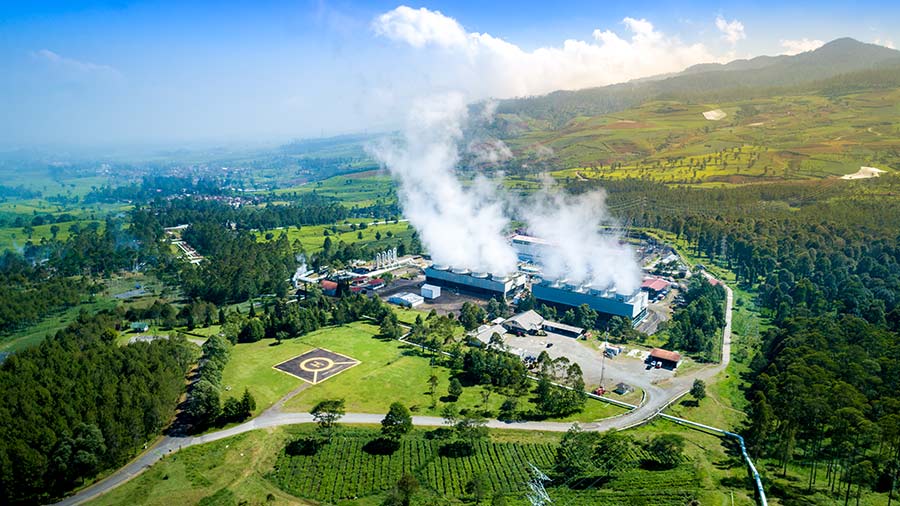
Indonesia is endowed with abundant energy resources, including coal, natural gas, oil, and renewable energy sources such as geothermal, hydropower, solar, and wind. As of recent years, the country has been one of the largest coal producers globally, heavily relying on coal for electricity generation. However, the government recognizes the need for a balanced energy mix to ensure sustainable development and reduce greenhouse gas emissions.
Key Energy Resources
- Fossil Fuels: Indonesia has significant reserves of coal and natural gas, making them the primary sources of energy. The country relies on coal for about 60% of its electricity generation.
- Renewable Energy: Indonesia has immense potential for renewable energy, particularly in geothermal energy, where it ranks first globally. Other renewable sources include solar, wind, and biomass, which are gradually being integrated into the energy mix.
- Bioenergy: The country produces palm oil and other agricultural products, which can be converted into biofuels. This sector is seen as a way to promote energy independence and sustainability.
Indonesia’s Energy Policy Framework
1. National Energy Policy (NEP)
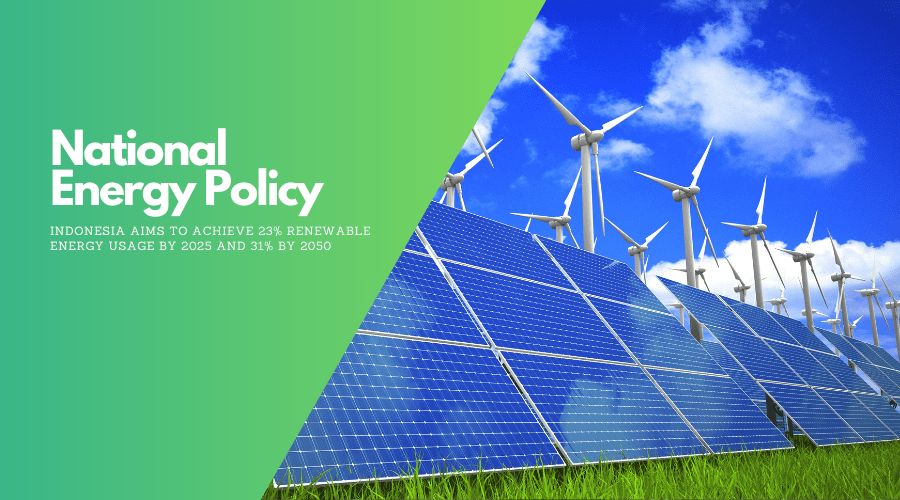
Indonesia’s National Energy Policy, established in 2017, aims to achieve energy security, independence, and sustainability. The key objectives include:
- Diversification of Energy Sources: Reducing reliance on fossil fuels by increasing the share of renewable energy in the energy mix to 23% by 2025.
- Energy Efficiency: Promoting energy conservation and efficiency measures across various sectors to reduce waste and lower emissions.
- Access to Energy: Ensuring equitable access to energy for all citizens, particularly in remote and underserved areas.
2. Renewable Energy Development
The Indonesian government has set ambitious targets for renewable energy development. The Renewable Energy Law encourages investment in renewable energy projects through incentives such as feed-in tariffs and power purchase agreements. The government aims to harness its geothermal potential and increase solar and wind energy contributions.
3. Energy Transition and Climate Goals
Indonesia has committed to reducing its greenhouse gas emissions by 29% by 2030, with an emphasis on transitioning to cleaner energy sources. The country is actively participating in international climate agreements and has set a target to achieve net-zero emissions by 2060.
Real Experiences and Insights
1. Challenges in Implementation
Despite the positive policy framework, Indonesia faces several challenges in implementing its energy policy:
- Infrastructure Development: The need for substantial investment in energy infrastructure, including transmission and distribution networks, remains a significant barrier to expanding renewable energy capacity.
- Regulatory Hurdles: Complex regulatory processes and bureaucratic inefficiencies can hinder the swift deployment of renewable energy projects.
- Public Awareness and Acceptance: There is a need for greater public awareness and acceptance of renewable energy technologies to facilitate their adoption.
2. Successful Initiatives
Indonesia has launched several successful initiatives to promote renewable energy:
- Geothermal Projects: The government has supported the development of geothermal power plants, which have become a significant contributor to the national grid. Projects like the Sarulla Geothermal Power Station demonstrate the potential of this renewable resource.
- Solar Energy Programs: The introduction of solar home systems in rural areas has improved energy access for communities, showcasing the effectiveness of decentralized renewable energy solutions.
3. Public-Private Partnerships
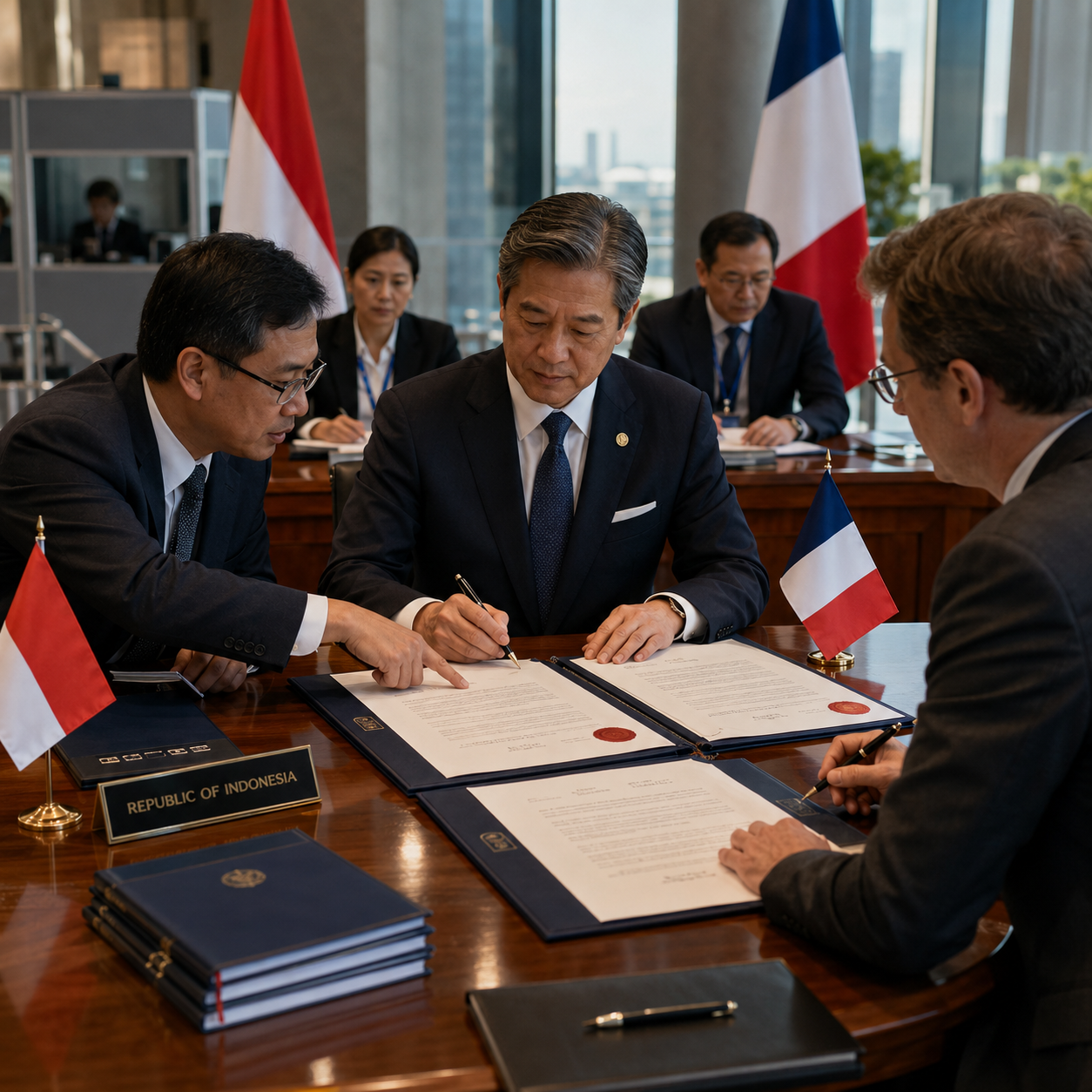
Collaboration between the government and private sector is crucial for achieving energy policy goals. The establishment of public-private partnerships (PPPs) has facilitated investment in renewable energy projects, allowing for shared expertise and resources.
Conclusion
Indonesia’s energy policy reflects a commitment to balancing economic growth with environmental sustainability and energy security. While challenges remain, the country is making strides in diversifying its energy mix and promoting renewable energy development. By leveraging its abundant resources and fostering collaboration between the public and private sectors, Indonesia can pave the way for a sustainable energy future. As the nation continues to navigate its energy landscape, the insights gained from real experiences will be essential in shaping effective policies that meet the needs of its people and the planet.