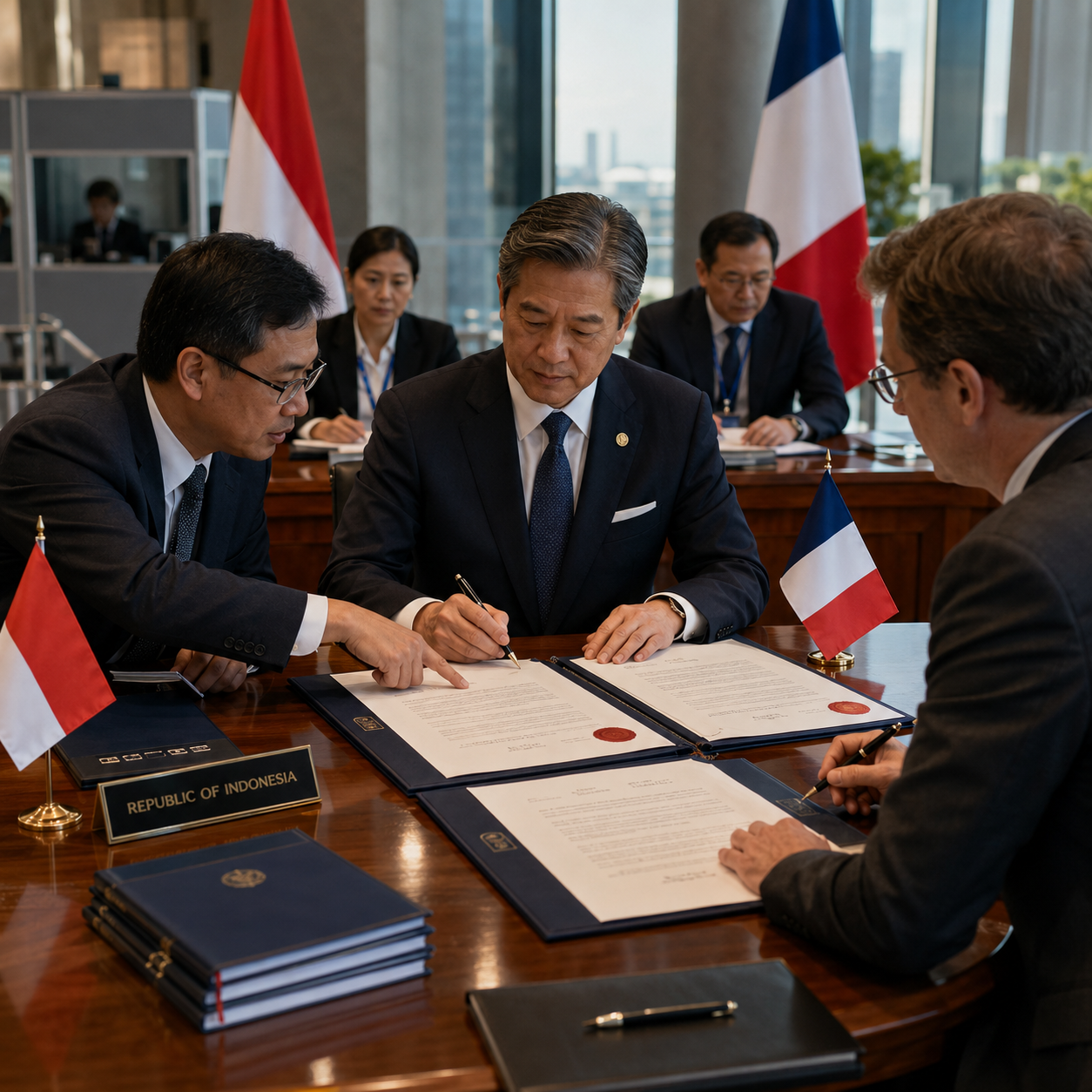
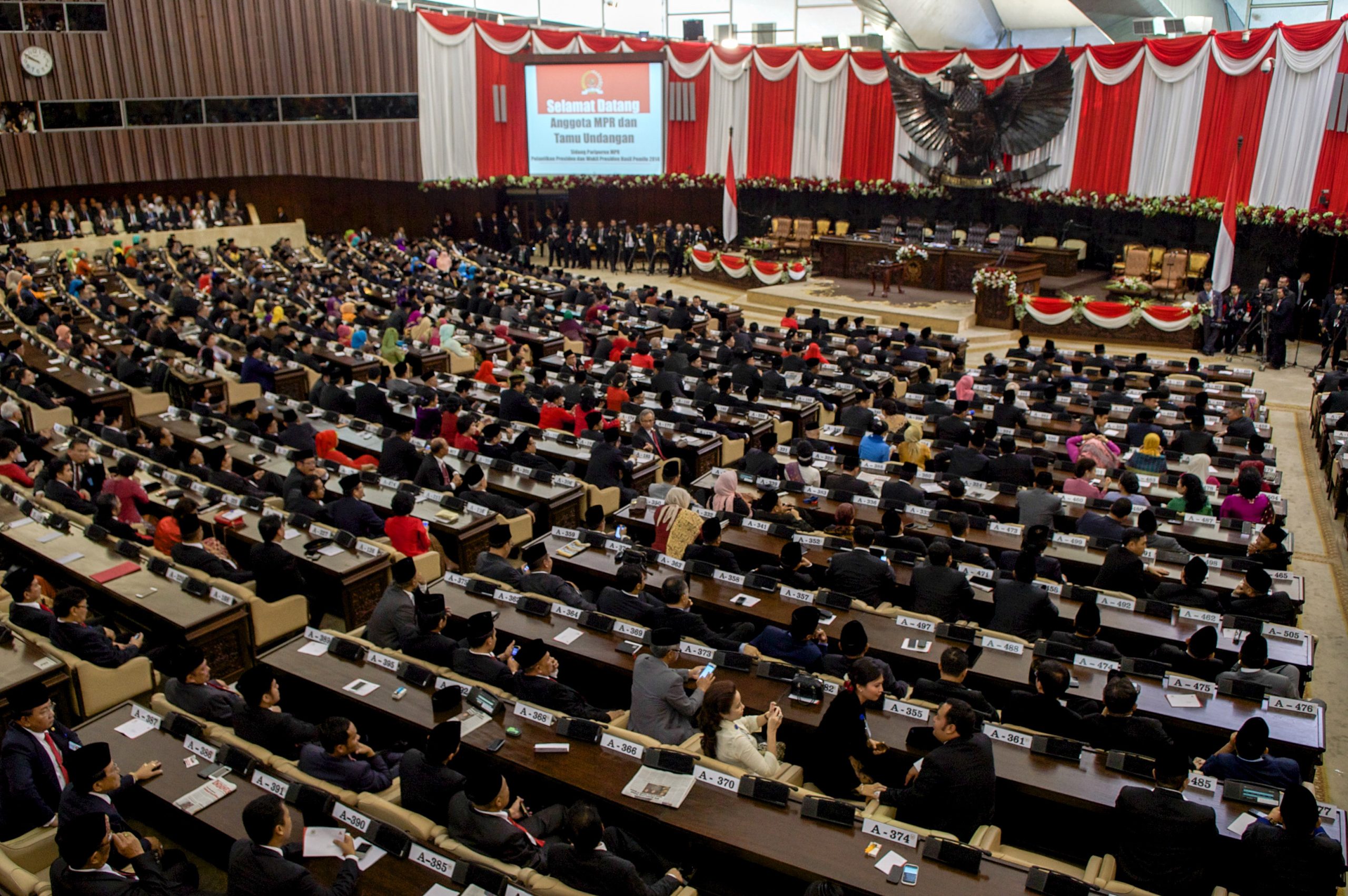
The Constituent Assembly holds a significant place in Indonesia’s history, marking a pivotal moment in the nation’s journey toward establishing a democratic framework. This assembly was tasked with drafting a new constitution for Indonesia, reflecting the aspirations and values of its diverse population. In this article, I will share my insights on the Constituent Assembly, the lessons learned from its formation and workings, and real stories that illustrate its impact on Indonesia’s constitutional foundations.
Understanding the Constituent Assembly
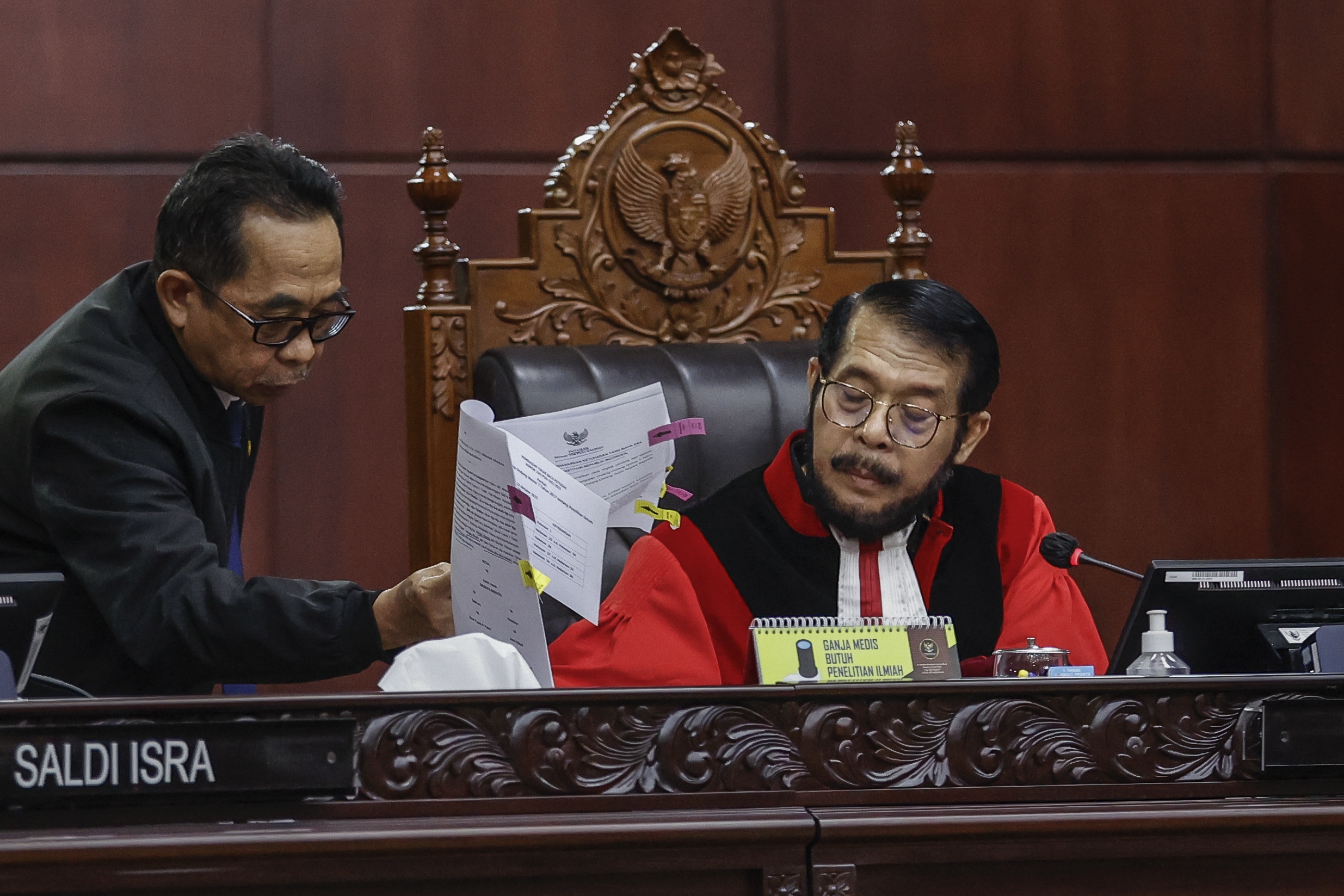
The Constituent Assembly in Indonesia was established in 1956, following the failure of the 1945 Constitution to adequately address the complexities of a rapidly changing nation. The assembly was composed of elected representatives from various political parties and regions, tasked with drafting a new constitution to replace the provisional government regulations that had been in place since independence.
Objectives of the Assembly
The primary objectives of the Constituent Assembly included:
- Drafting a New Constitution: The assembly aimed to create a comprehensive constitution that would reflect the principles of democracy, justice, and social welfare for all Indonesians.
- Incorporating Diverse Perspectives: With Indonesia’s vast diversity in culture, ethnicity, and religion, the assembly sought to ensure that the new constitution would accommodate the voices and rights of various groups across the archipelago.
- Strengthening National Unity: One of the critical challenges facing the assembly was to foster a sense of national identity and unity among the diverse populations of Indonesia, many of whom had different historical experiences and aspirations.
My Take on the Constituent Assembly
1. A Lesson in Democracy
The Constituent Assembly serves as a powerful lesson in the importance of democratic processes. The assembly was a platform for debate and discussion, allowing representatives to voice their opinions and negotiate compromises. This process highlighted the value of inclusivity and collaboration in shaping a nation’s foundational legal document.
2. Navigating Challenges
The assembly faced numerous challenges, including political rivalries, ideological differences, and regional disparities. These challenges underscored the complexities of governance in a diverse nation. The assembly’s ability to navigate these obstacles demonstrated the resilience and commitment of its members to achieve a common goal.
3. The Role of Compromise
One of the most significant lessons from the Constituent Assembly is the necessity of compromise in politics. The assembly’s members had to balance their respective party interests with the broader needs of the nation. The resulting constitution reflected a series of compromises that, while not perfect, aimed to address the aspirations of various groups.
Real Stories from the Constituent Assembly
1. The Voice of Women
One notable story from the Constituent Assembly is the active participation of women representatives. Despite being a male-dominated political landscape, women like Raden Ajeng Kartini and others played crucial roles in advocating for gender equality and women’s rights. Their contributions were instrumental in ensuring that the new constitution recognized the importance of gender equality in Indonesian society.
2. Regional Representation
The assembly also faced the challenge of representing Indonesia’s diverse regions. Representatives from provinces like Aceh, Papua, and Sulawesi brought unique perspectives and concerns to the table. Their voices were vital in shaping a constitution that acknowledged regional autonomy and cultural diversity, fostering a sense of belonging among various ethnic groups.
3. The Tension Between Ideologies
The ideological tensions between secular and religious factions were palpable during the assembly’s deliberations. The debates often centered around the role of Islam in the state and the principles of Pancasila (the Five Principles of Indonesia). The eventual compromise, which established Pancasila as the foundation of the state, exemplified the assembly’s commitment to finding common ground amidst differing beliefs.
Conclusion
The Constituent Assembly was a landmark event in Indonesia’s history, laying the groundwork for the nation’s constitutional foundations. Through its deliberations, the assembly provided valuable lessons in democracy, compromise, and the importance of inclusivity.
As we revisit this critical moment in Indonesia’s past, it is essential to recognize the real stories of those who participated in the assembly and the impact their contributions had on shaping a diverse and unified nation. The legacy of the Constituent Assembly continues to resonate today, reminding us of the ongoing journey toward a more just and democratic society.