







Indonesia Political Activism: Indonesia Tools and Tactics for Driving Reform
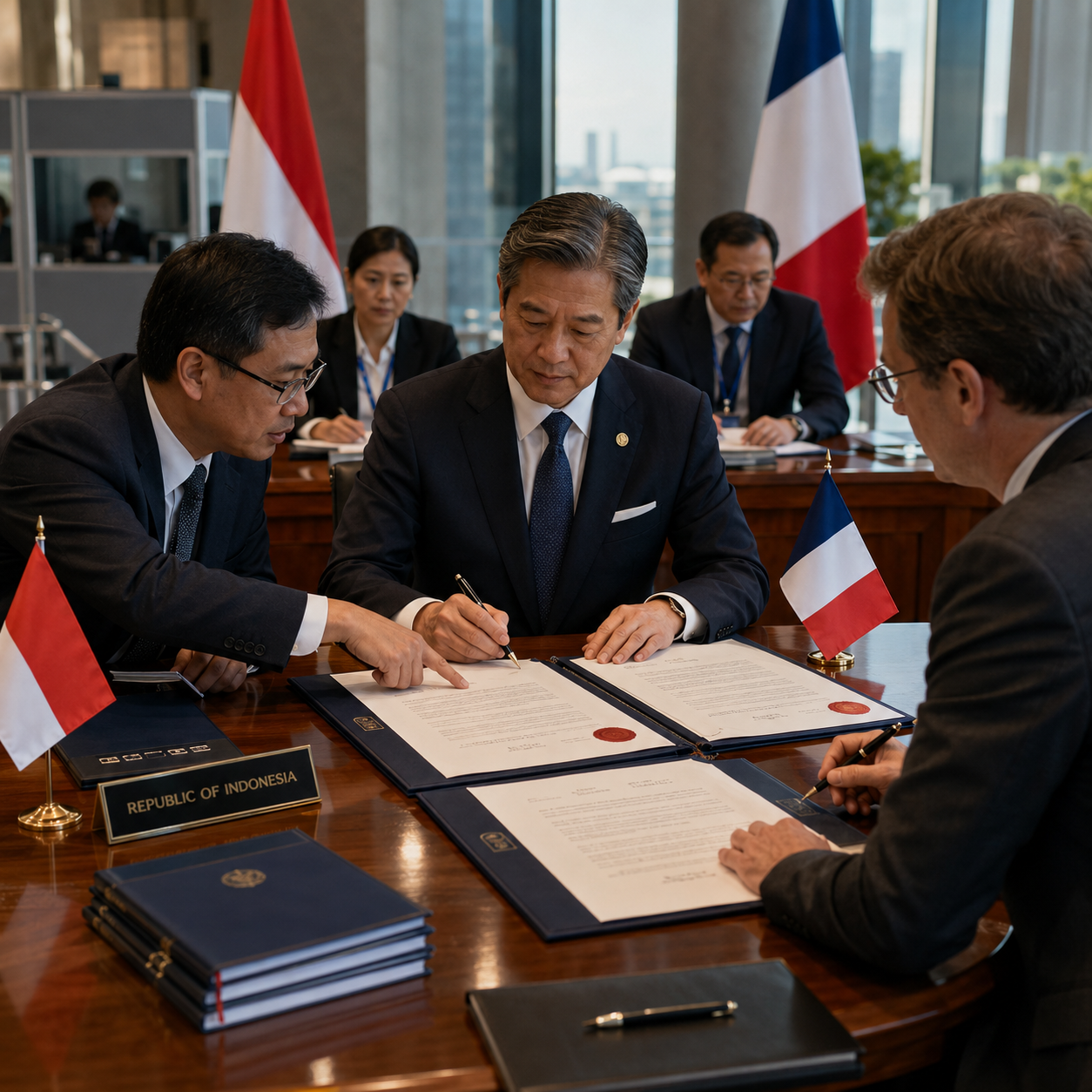
Jakarta, turkeconom.com – Indonesia political activism has a rich history, rooted in the struggle for democracy, social justice, and reform. As the world’s third-largest democracy, Indonesia has seen a vibrant civil society that employs various tools and tactics to advocate for change. This article explores the landscape of political activism in Indonesia, highlighting key strategies, movements, and the impact of activism on the country’s political landscape.
The Landscape of Political Activism in Indonesia

1. Historical Context
Political activism in Indonesia dates back to the colonial era when nationalists fought for independence from Dutch rule. The fall of President Suharto in 1998 marked a significant turning point, leading to a more open political environment where civil society organizations and grassroots movements began to thrive. Today, activism encompasses a wide range of issues, including human rights, environmental protection, anti-corruption, and labor rights.
2. Current Issues and Movements
Activists in Indonesia address various pressing issues, such as:
- Environmental Protection: With Indonesia’s rich biodiversity under threat from deforestation and mining, environmental activists advocate for sustainable practices and the protection of natural resources.
- Human Rights: Organizations work to defend the rights of marginalized groups, including indigenous peoples, women, and LGBTQ+ communities, often facing pushback from authorities.
- Corruption: Anti-corruption activists strive for transparency and accountability in government, mobilizing public support to demand reforms and hold officials accountable.
Tools and Tactics for Driving Reform
1. Grassroots Organizing
Grassroots organizing is a fundamental tactic for Indonesian activists. By mobilizing communities at the local level, activists can build a strong base of support for their causes. This approach often involves:
- Community Meetings: Holding discussions and workshops to raise awareness about issues and educate the public.
- Local Leaders: Empowering local leaders to champion causes within their communities, ensuring that activism is relevant and culturally sensitive.
2. Digital Activism
The rise of social media and digital platforms has transformed political activism in Indonesia. Activists leverage these tools to:
- Raise Awareness: Share information and mobilize support through platforms like Twitter, Facebook, and Instagram.
- Campaigns and Petitions: Launch online campaigns and petitions to gather signatures and demonstrate public support for specific issues.
- Hashtags and Trends: Utilize trending hashtags to amplify voices and connect with broader movements, both nationally and globally.
3. Coalition Building
Collaboration among various organizations and movements enhances the effectiveness of activism. By forming coalitions, activists can:
- Share Resources: Pooling funds, expertise, and networks to strengthen campaigns.
- Unified Messaging: Presenting a cohesive message that resonates with a broader audience, increasing the impact of their efforts.
4. Advocacy and Lobbying
Activists engage in advocacy efforts to influence policymakers and government officials. This includes:
- Direct Engagement: Meeting with legislators and government representatives to present research, data, and personal stories that highlight the need for reform.
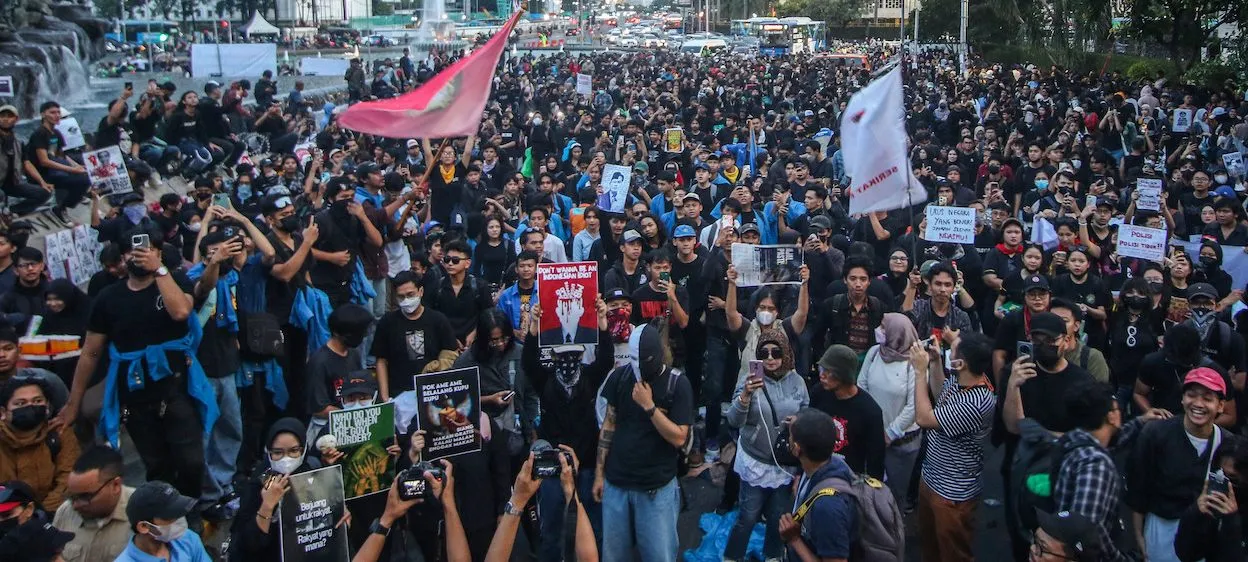
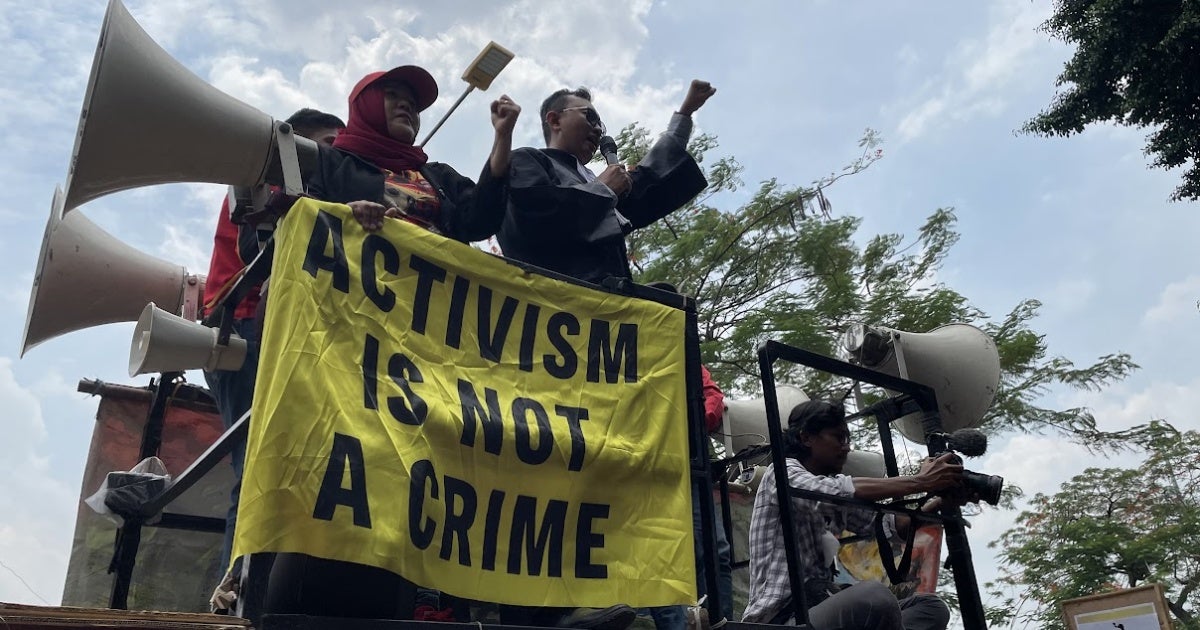
- Public Campaigns: Organizing rallies, protests, and demonstrations to draw attention to issues and pressure officials to act.
5. Cultural and Artistic Expression
Art and culture play a significant role in Indonesian political activism. Activists use various forms of artistic expression to:
- Communicate Messages: Create powerful visuals, music, and performances that resonate with the public and convey their messages effectively.
- Engage Emotions: Art can evoke emotions and inspire action, making complex issues more relatable and understandable.
Impact of Political Activism in Indonesia
1. Policy Changes and Reforms
Political activism has led to significant policy changes in Indonesia. Activists have successfully pushed for reforms in areas such as environmental protection, labor rights, and anti-corruption measures. These efforts have resulted in the establishment of new laws and regulations aimed at addressing pressing social issues.
2. Increased Public Awareness
Through grassroots organizing and digital activism, public awareness of critical issues has grown. More Indonesians are now informed about their rights and the importance of civic engagement, leading to increased participation in democratic processes.
3. Strengthening Civil Society
The vibrant activism landscape in Indonesia has strengthened civil society organizations, fostering a culture of accountability and transparency. These organizations play a crucial role in monitoring government actions and advocating for the rights of marginalized communities.
Conclusion
Indonesia political activism is a dynamic force driving reform and social change in the country. Through grassroots organizing, digital activism, coalition building, advocacy, and cultural expression, activists are addressing critical issues and influencing policies. As Indonesia continues to navigate its democratic journey, the resilience and creativity of its activists remain essential in shaping a more just and equitable society
Explore our “Politic” category for more insightful content!
Don't forget to check out our previous article: Student Movement: Campus Activism and Youth Engagement in Indonesia Politics


