Historical Context of the Student Movement
1. Early Activism
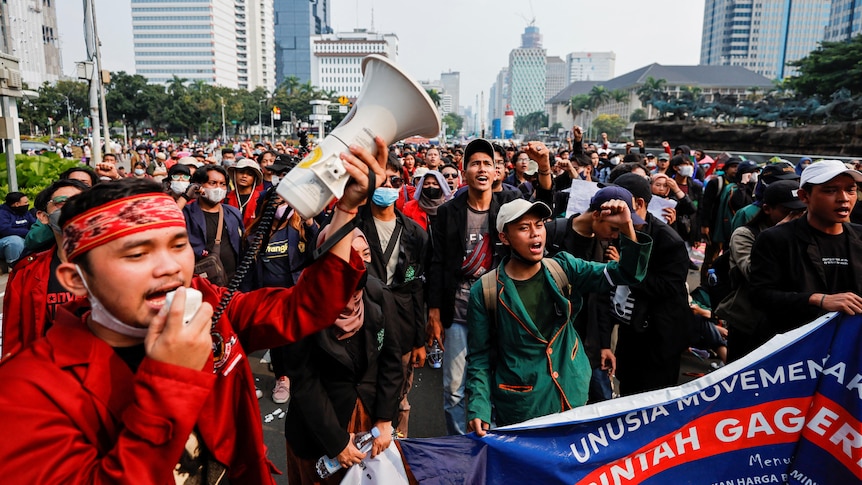
The roots of the student movement in Indonesia can be traced back to the early 20th century, during the colonial period. Students began organizing to fight against Dutch colonial rule, laying the groundwork for future activism. The most notable event was the Indonesian independence movement, where students played a crucial role in mobilizing public support for independence.
2. The 1960s and the Fall of Sukarno
The 1960s marked a significant turning point for the student movement. Students became increasingly vocal against President Sukarno’s authoritarian regime, which led to widespread protests. In 1966, the student-led demonstrations culminated in the fall of Sukarno and the rise of General Suharto, who established a New Order regime. While this regime initially gained support for its anti-communist stance, it soon faced criticism for its oppressive policies.
3. Reformasi Movement of 1998
The late 1990s saw a resurgence of student activism, particularly during the Reformasi movement, which aimed to dismantle Suharto’s authoritarian rule. Students organized mass protests demanding political reform, transparency, and democracy. Their efforts contributed significantly to Suharto’s resignation in May 1998, leading to a new era of democratic governance in Indonesia.
The Role of Student Movements in Contemporary Politics
1. Current Activism Trends
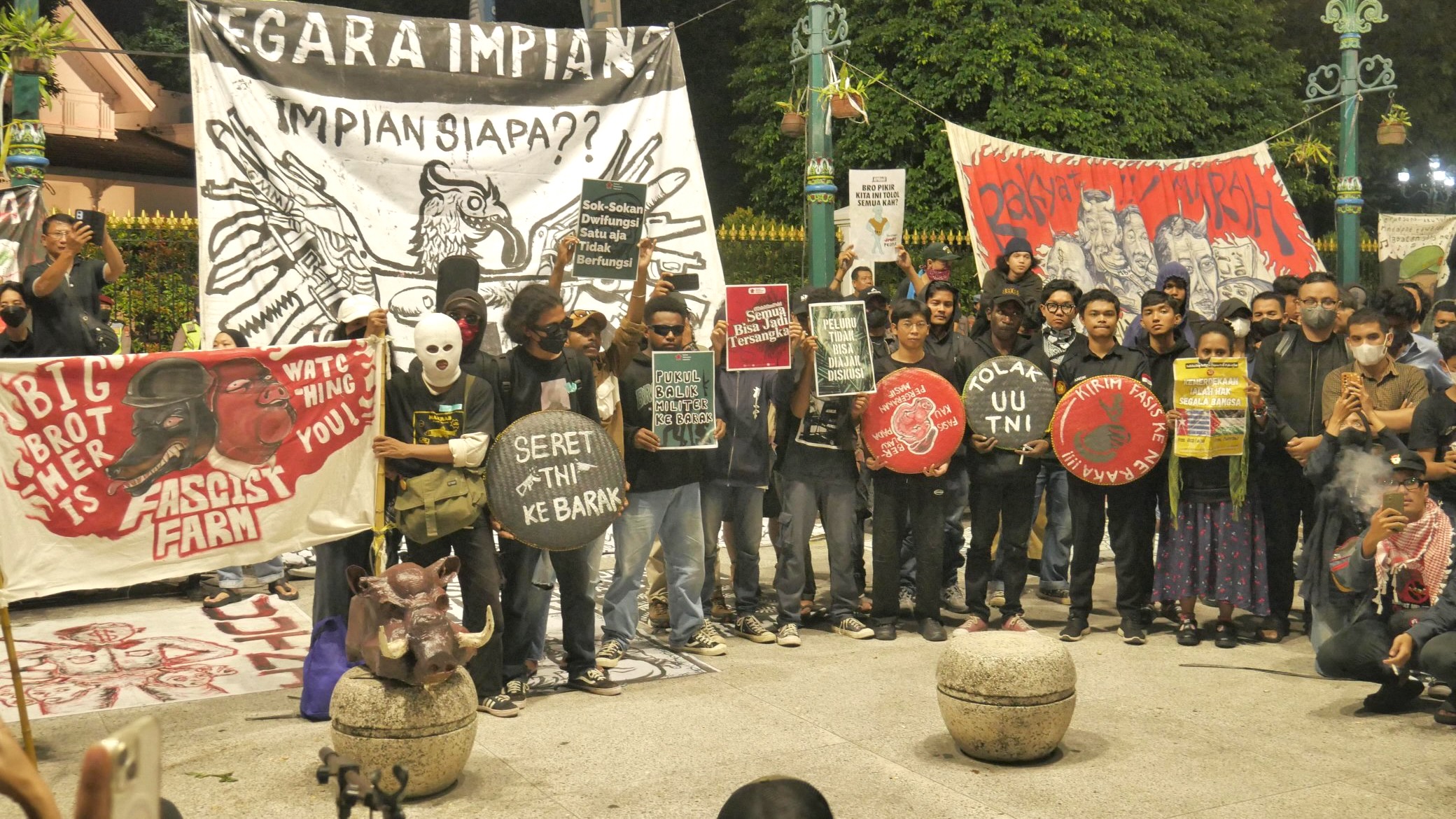
In recent years, the student movement in Indonesia has adapted to address contemporary issues such as environmental degradation, corruption, education reform, and social justice. Student organizations and activist groups have emerged on campuses across the country, utilizing both traditional methods of protest and digital platforms to mobilize support.
2. Digital Activism
With the rise of social media, Indonesian students have embraced digital activism as a powerful tool for engagement. Platforms like Twitter, Instagram, and Facebook have become essential for organizing events, disseminating information, and raising awareness about social and political issues. This digital engagement allows for broader participation and mobilization, especially among younger generations.
3. Coalitions and Alliances
Contemporary student movements often collaborate with civil society organizations, labor unions, and other grassroots movements. These coalitions amplify their voices and enhance their impact on national policies. By joining forces, students can address systemic issues more effectively and push for comprehensive reforms.
Challenges Facing the Student Movement
1. Government Repression
Despite the progress made in recent years, the student movement in Indonesia faces significant challenges, including government repression. Authorities have occasionally responded to protests with force, intimidation, and legal action against activists. This repression can stifle free expression and discourage youth participation in political activism.
2. Fragmentation of Movements
The student movement is not monolithic; it comprises various groups with differing ideologies and priorities. This fragmentation can lead to disunity and hinder the movement’s effectiveness. Finding common ground among diverse student organizations is crucial for maintaining a cohesive front.
3. Socioeconomic Barriers
Access to education and resources remains a challenge for many Indonesian students. Economic disparities can limit participation in activism, particularly for those from lower-income backgrounds. Ensuring inclusivity within the student movement is essential for fostering a diverse and representative voice.
Conclusion
The student movement in Indonesia has a rich history of activism and engagement that continues to shape the nation’s political landscape. As young people increasingly mobilize to address pressing social issues, their role in advocating for democracy, justice, and reform remains vital. Despite facing challenges such as government repression and fragmentation, Indonesian students continue to demonstrate resilience and creativity in their activism. By harnessing the power of digital platforms and forming alliances with other movements, they are poised to influence the future of Indonesian politics and contribute to a more equitable society.
Explore our “Politic” category for more insightful content!
Don't forget to check out our previous article: Freedom of Information: Enforcing Access Under Indonesia UU KIP