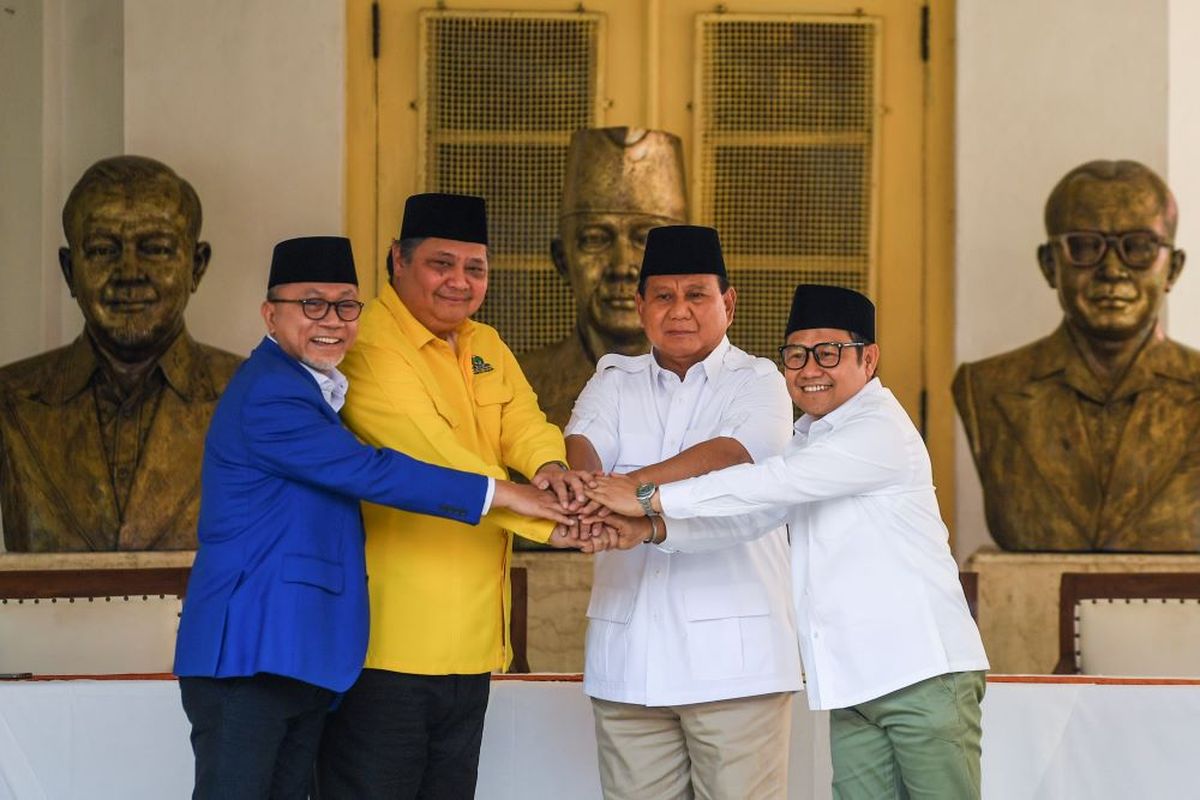
In the dynamic landscape of Indonesian politics, koalisi (coalition) plays a pivotal role in shaping governance and legislative processes. Given Indonesia’s diverse political landscape, coalition building is essential for parties to achieve their goals, especially in a multiparty system where no single party often holds a majority. In this guide, I’ll break down the concept of koalisi, its significance, and practical strategies for navigating political alliances in Indonesia.
Understanding Koalisi

A koalisi is formed when multiple political parties come together to collaborate on common goals, typically to gain a majority in the legislature or to support a presidential candidate. This collaboration can take various forms, from informal agreements to formal alliances, and is crucial for effective governance in Indonesia’s parliamentary system.
The Importance of Koalisi in Indonesian Politics
- Majority Control: In Indonesia, the legislature consists of multiple parties, making it challenging for any single party to secure a majority. Forming a koalisi allows parties to pool their resources and votes to influence legislation and government policies effectively.
- Stability in Governance: Coalitions can provide stability in governance by ensuring that various political interests are represented. This is particularly important in a diverse country like Indonesia, where different regions and ethnic groups have distinct needs and perspectives.
- Strategic Partnerships: Political parties often form coalitions to enhance their bargaining power and negotiate better terms for their agendas. Koalisi can lead to strategic partnerships that benefit all parties involved, enabling them to achieve their objectives more effectively.
- Electoral Success: In elections, coalitions can increase the chances of success by consolidating votes. By presenting a united front, parties can attract a broader base of support and compete more effectively against larger parties.
Strategies for Navigating Koalisi
Building and maintaining a successful koalisi requires careful planning and strategic thinking. Here are some practical strategies for navigating political alliances in Indonesia:
- Identify Common Goals: Before forming a coalition, it’s essential to identify shared interests and objectives among potential partners. This alignment will serve as the foundation for a successful alliance and help mitigate conflicts down the line.
- Build Trust and Relationships: Establishing strong relationships with potential coalition partners is crucial. Engage in open communication, foster mutual respect, and demonstrate a willingness to collaborate. Trust is the bedrock of any successful koalisi.
- Negotiate Terms Clearly: When forming a coalition, clearly outline the terms of the partnership, including roles, responsibilities, and decision-making processes. This clarity will help prevent misunderstandings and ensure that all parties are on the same page.
- Be Flexible and Adaptable: Political landscapes can change rapidly, and coalitions may need to adapt to new circumstances. Be prepared to reassess strategies, adjust priorities, and accommodate the needs of coalition partners as necessary.
- Communicate Effectively: Maintain open lines of communication within the coalition. Regular meetings and updates can help address concerns, share progress, and reinforce the coalition’s commitment to its goals.
- Manage Conflicts Wisely: Conflicts may arise within a coalition, but how they are handled can determine the alliance’s success. Approach conflicts with a problem-solving mindset, focusing on finding solutions that benefit all parties involved.
- Engage with the Public: Transparency and public engagement are vital for maintaining support for the coalition. Communicate the coalition’s goals and achievements to the public, fostering a sense of accountability and encouraging broader participation.
Conclusion
In conclusion, koalisi is a fundamental aspect of Indonesian politics, playing a crucial role in shaping governance and legislative outcomes. Understanding the dynamics of coalition building and employing effective strategies can significantly enhance the chances of success for political parties in Indonesia.
By identifying common goals, LATOTO building trust, and fostering effective communication, political actors can navigate the complexities of alliances and work towards achieving their objectives. As Indonesia continues to evolve politically, mastering the art of koalisi will remain essential for those looking to make a meaningful impact in the nation’s governance.