In recent years, the term soft authoritarianism has gained traction in discussions about political systems, particularly in countries like Indonesia. While Indonesia is often celebrated for its democratic transition since the fall of Suharto in 1998, a closer examination reveals a more complex reality. This article explores the nuances of soft authoritarianism in Indonesia, shedding light on the mechanisms of political control that operate beneath the surface of its democratic façade.
Understanding Soft Authoritarianism
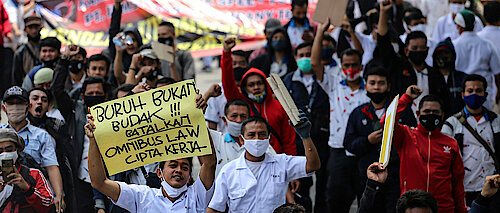
Soft authoritarianism refers to a political system where the government maintains control over society through non-coercive means, balancing authoritarian practices with some democratic elements. Unlike hard authoritarian regimes that rely heavily on repression and violence, soft authoritarianism employs methods such as manipulation, co-optation, and subtle forms of censorship to maintain power. This approach allows the regime to appear legitimate while suppressing dissent and controlling public discourse.
The Indonesian Context
Indonesia, the world’s third-largest democracy, has made significant strides in political reform since the end of the New Order regime. However, the current political landscape reveals that soft authoritarianism is increasingly prevalent. Here are some key features that illustrate this phenomenon in Indonesia:
1. Centralization of Power
Under President Joko Widodo, there has been a noticeable trend toward centralizing power within the executive branch. While the constitution provides for a system of checks and balances, the president has leveraged his position to diminish the influence of other political institutions, including the judiciary and regional governments. This centralization undermines democratic accountability and fosters an environment where dissent is stifled.
2. Control of Media and Public Discourse
The Indonesian government employs various tactics to control media narratives and public discourse. While there is a vibrant media landscape, many journalists face intimidation, harassment, and even violence for reporting on sensitive issues. The government also utilizes laws that restrict freedom of expression, such as the Electronic Information and Transactions Law, which criminalizes online speech deemed harmful to public order. This creates a chilling effect, discouraging critical reporting and open debate.
3. Manipulation of Political Opposition
Political parties in Indonesia are often co-opted or weakened through strategic alliances and patronage networks. The government engages in practices that undermine opposition parties, such as limiting their access to resources and media coverage. Additionally, the ruling party often employs populist rhetoric to appeal to the masses, diverting attention from pressing issues and consolidating support.
4. Surveillance and Control of Civil Society
Civil society organizations play a crucial role in promoting democracy and holding the government accountable. However, many NGOs in Indonesia face increasing scrutiny and pressure from the state. The government monitors their activities, restricts funding, and imposes regulations that hinder their operations. This surveillance creates an environment of fear, discouraging activism and limiting the space for dissent.
5. Nationalism and Identity Politics
The Indonesian government has increasingly utilized nationalism and identity politics to consolidate power. By promoting a narrative of national unity and religious identity, the government seeks to distract citizens from socio-economic issues and foster a sense of loyalty to the regime. This strategy often marginalizes minority groups and stifles dissenting voices, reinforcing the authoritarian grip on society.
The Consequences of Soft Authoritarianism
The rise of soft authoritarianism in Indonesia has significant implications for the country’s democratic future. While the government may maintain a semblance of stability, the erosion of democratic norms and institutions poses risks for political pluralism and civil liberties. Citizens may become disillusioned with the democratic process, leading to apathy and disengagement from politics.
Moreover, the suppression of dissent and critical voices can hinder social progress and exacerbate existing inequalities. Without robust mechanisms for accountability and transparency, corruption and abuse of power can thrive, undermining the legitimacy of the government.
Conclusion
Soft authoritarianism in Indonesia presents a complex challenge to the country’s democratic aspirations. While the nation has made remarkable strides since its transition to democracy, the subtle mechanisms of control employed by the government threaten to undermine these gains. Understanding the dynamics of soft authoritarianism is crucial for fostering a more vibrant and resilient democracy in Indonesia. As citizens and civil society continue to navigate this landscape, it is essential to advocate for transparency, accountability, and the protection of fundamental rights to ensure that Indonesia’s democratic journey remains on course.