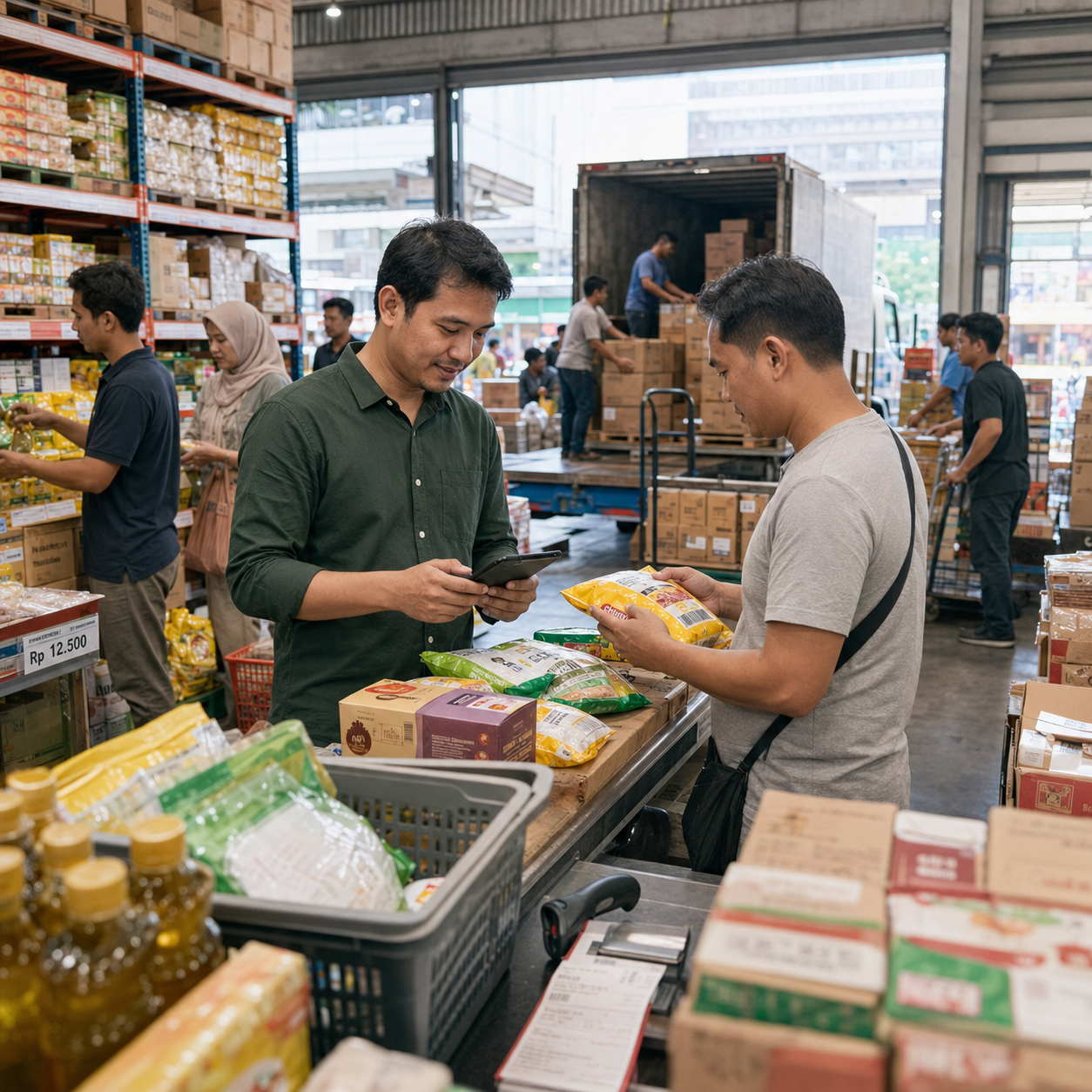
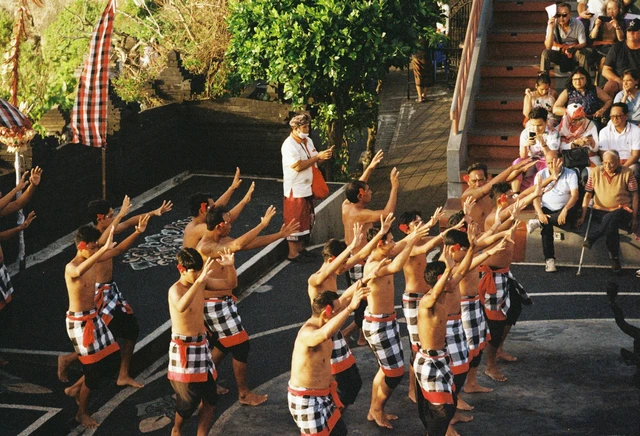
SARA is an acronym in Indonesia that stands for Suku (Ethnicity), Agama (Religion), Ras (Race), and Antargolongan (Inter-group Relations). These four elements are crucial in understanding the complex social fabric of Indonesia, a nation known for its rich diversity and multiculturalism. This guide aims to explore the significance of SARA in Indonesian society, its impact on daily life, and the dynamics of inter-group relations.
The Components of SARA
:quality(100)/photo/2023/11/21/keberagaman-suku-agama-ras-da-20231121105946.jpg)
1. Suku (Ethnicity)
Indonesia is home to over 300 ethnic groups, each with its own language, customs, and traditions. Major ethnic groups include the Javanese, Sundanese, Batak, Minangkabau, and Balinese, among others. Ethnicity plays a significant role in shaping individual identities and community bonds. These ethnic identities influence social interactions, cultural practices, and even political affiliations.
2. Agama (Religion)
Indonesia is the world’s largest Muslim-majority country, with approximately 87% of the population identifying as Muslim. Other religions practiced in Indonesia include Christianity, Hinduism, Buddhism, and indigenous beliefs. Religion is a fundamental aspect of daily life, affecting everything from personal values and family structures to community events and national holidays. The coexistence of various religions can lead to both harmony and tension, depending on the context.
3. Ras (Race)
While race in Indonesia is often intertwined with ethnicity, it also encompasses broader categories based on physical characteristics and historical backgrounds. The concept of race can influence social dynamics, particularly in urban areas where diverse populations interact. Issues related to race can sometimes lead to stereotypes or discrimination, impacting social cohesion.
4. Antargolongan (Inter-group Relations)
The relationships between different ethnic, religious, and racial groups in Indonesia are complex and dynamic. Inter-group relations can be characterized by cooperation, competition, conflict, or coexistence. Understanding these dynamics is essential for fostering social harmony and addressing issues of discrimination and inequality. Community initiatives and dialogues often aim to bridge gaps between groups, promoting mutual respect and understanding.
The Impact of SARA on Daily Life
1. Social Interactions
SARA influences how individuals interact with one another in various settings, including schools, workplaces, and neighborhoods. People often form social networks based on shared ethnicity or religion, which can provide support and a sense of belonging. However, these networks can also lead to exclusionary practices, where individuals from different backgrounds may feel marginalized.
2. Cultural Celebrations
Festivals and cultural celebrations in Indonesia often reflect the diversity of SARA. For example, Eid al-Fitr, Christmas, Nyepi (Balinese Day of Silence), and Waisak (Buddhist Vesak) are significant events that showcase the country’s religious plurality. These celebrations foster inter-group understanding and appreciation, allowing people to learn about and respect different cultural practices.
3. Political Landscape
SARA plays a crucial role in Indonesia’s political landscape. Political parties often align themselves with specific ethnic or religious groups to gain support. This can lead to the politicization of identity, where issues of ethnicity and religion are leveraged for electoral gains. Understanding these dynamics is important for analyzing the country’s governance and policy-making processes.
4. Conflict and Resolution
Indonesia has experienced inter-group conflicts, often rooted in ethnic or religious differences. Historical tensions, such as the communal violence in Ambon or the riots in Jakarta, highlight the challenges of managing diversity. However, many communities actively engage in conflict resolution initiatives, promoting dialogue and reconciliation to heal divisions.
5. Education and Awareness
Education plays a vital role in addressing SARA-related issues. Schools often incorporate multicultural education to promote understanding and respect among students from diverse backgrounds. Awareness campaigns and community programs aim to combat stereotypes and foster inclusivity, contributing to a more harmonious society.
Conclusion
SARA is a fundamental framework for understanding the intricate tapestry of Indonesian society. Ethnicity, religion, race, and inter-group dynamics shape daily life, influencing social interactions, cultural practices, and political landscapes. By recognizing and respecting this diversity, Indonesia can continue to foster social harmony and unity among its people. Embracing the values of inclusion and mutual respect is essential for building a more equitable society where all individuals can thrive, regardless of their background. Understanding SARA not only enriches our knowledge of Indonesia but also highlights the importance of diversity in our global community.