






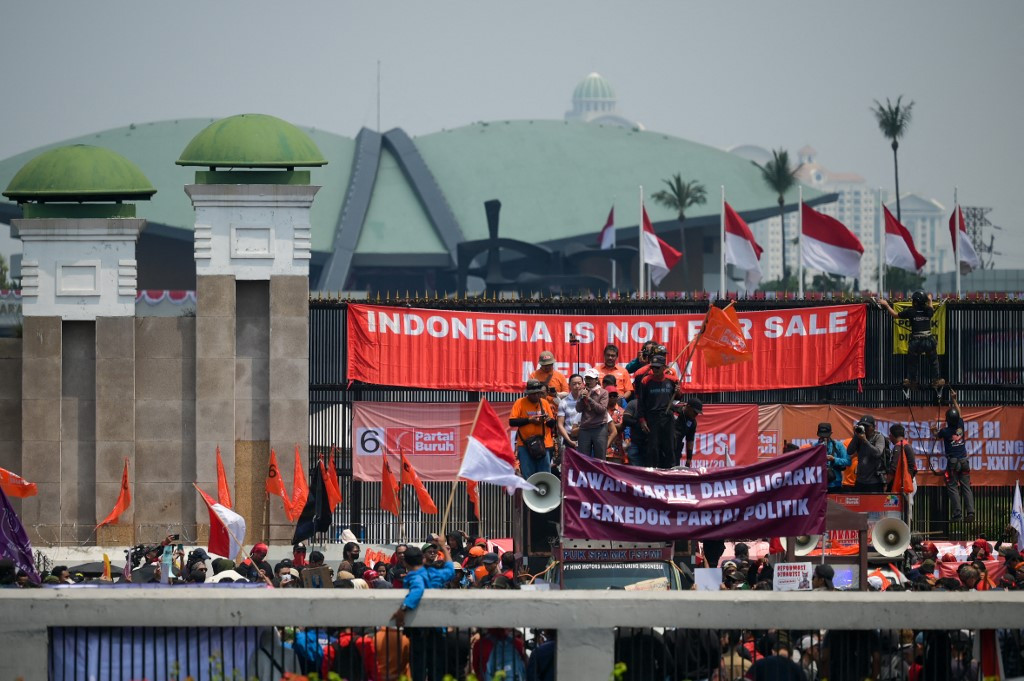
Political Transition: Shifts in Governance in Indonesia and What They Mean for Everyday Life
JAKARTA, turkeconom.com – Political Transition: Shifts in Governance in Indonesia has always felt like a roller coaster to me. Seriously, if you’ve been keeping up, you know things can flip overnight. It’s like one day you’re chilling, the next you’re debating new policies with your friends over kopi hitam.
Political Transition in Indonesia has been marked by seismic shifts—from revolutionary independence to Guided Democracy, the New Order, and the Reformasi era. Each transition reshaped the country’s institutions, policies, and social fabric. In this article, we’ll examine how these governance changes have influenced everyday life for Indonesians, and what lessons we can draw for the future.
1. A Brief History of Political Transitions

- Post-Independence & Parliamentary Democracy (1945–1957)
- Multiparty system with frequent cabinet changes
- Early challenges: regional rebellions, economic instability
- Impact: limited policy continuity, but vibrant public debate
- Guided Democracy under Sukarno (1957–1966)
- Centralization of power, one‐party dominance (NASAKOM)
- Curtailed press freedom and political dissent
- Impact: growing economic decline, suppression of regional voices
- New Order under Suharto (1966–1998)
- Authoritarian stability, focus on economic growth
- “Dwifungsi” doctrine granting military political roles
- Impact: infrastructure development, but systemic corruption and human rights abuses
- Reformasi & Democratization (1998–present)
- Direct elections for president, governors, and mayors
- Decentralization and the rise of local autonomy
- Impact: more responsive governance, yet uneven service delivery
2. Key Features of Indonesia’s Political Transitions
- Centralization vs. Decentralization
Political Transition swung from a highly centralized state under Suharto to a decentralized model post-Reformasi. - Electoral Reforms
Introduction of direct ballots for heads of government and stronger legislative checks and balances. - Civil Society & Media Freedom
Expansion of NGOs, grassroots movements, and independent media after 1998. - Judicial Independence
Constitutional amendments bolstered the judiciary and created the Constitutional Court (MK) in 2003.
3. Impacts on Everyday Life
3.1 Public Services & Local Governance
- Decentralization grants districts budgetary control over education, health, and infrastructure.
- Variance in quality: some regions have world-class services; others struggle with underfunding and mismanagement.
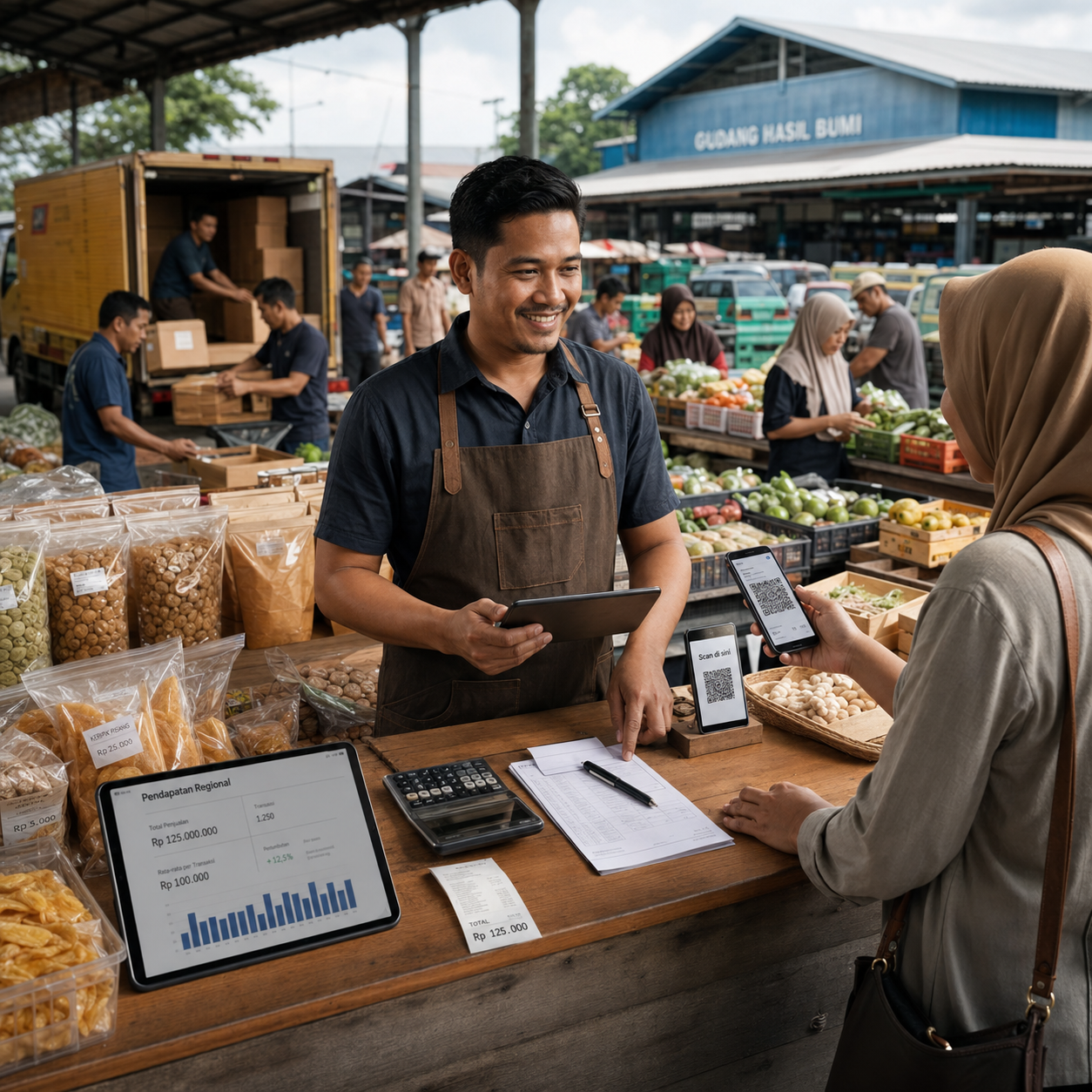
3.2 Economic Opportunities
- Greater local autonomy has spurred regional investment and job creation.
- Bureaucratic red tape remains a barrier for small entrepreneurs, especially in remote areas.
3.3 Civic Participation
- Direct elections empower citizens to hold leaders accountable.
- Voter turnout consistently above 70% reflects high public engagement.
3.4 Rule of Law & Corruption
- Anti-Corruption Commission (KPK) successes in high-profile cases improved public trust.
- Ongoing tension between reformist judges and entrenched interests threatens consistency.
4. Case Studies
- Aceh Autonomous Status
Special autonomy grants 70% of resource revenue to the province—improving roads, schools, and hospitals, but local elites sometimes capture funds. - Jakarta Direct Election (2007–present)
Transparent ballots ushered in dynamic leadership styles, with mayors pursuing innovation in public transport and flood management.
5. Lessons Learned & Future Directions
- Institutional Strengthening
Sustainable Political Transitions require independent oversight bodies, clear legal frameworks, and transparent budgeting. - Balancing Local Autonomy with National Unity
Effective coordination mechanisms are essential to ensure equity across provinces. - Inclusive Policy-Making
Engaging youth, women, and marginalized groups in decision-making fosters social cohesion. - Digital Governance
E-government platforms can reduce corruption and improve service delivery if internet access is expanded.
Conclusion
Indonesia’s Political Transitions have delivered greater political freedom, more responsive local governance, and empowered civil society. Yet challenges remain in ensuring equitable development, sustaining anti-corruption efforts, and strengthening institutions. As Indonesia navigates its next phase, the lessons of past transitions offer a roadmap for building a more inclusive, accountable, and resilient democracy.
Sharpen Your Skills: Delve into Our Expertise on Politic
Check Out Our Latest Piece on Martial Law: Impacts on Civil Liberties in Indonesia!
