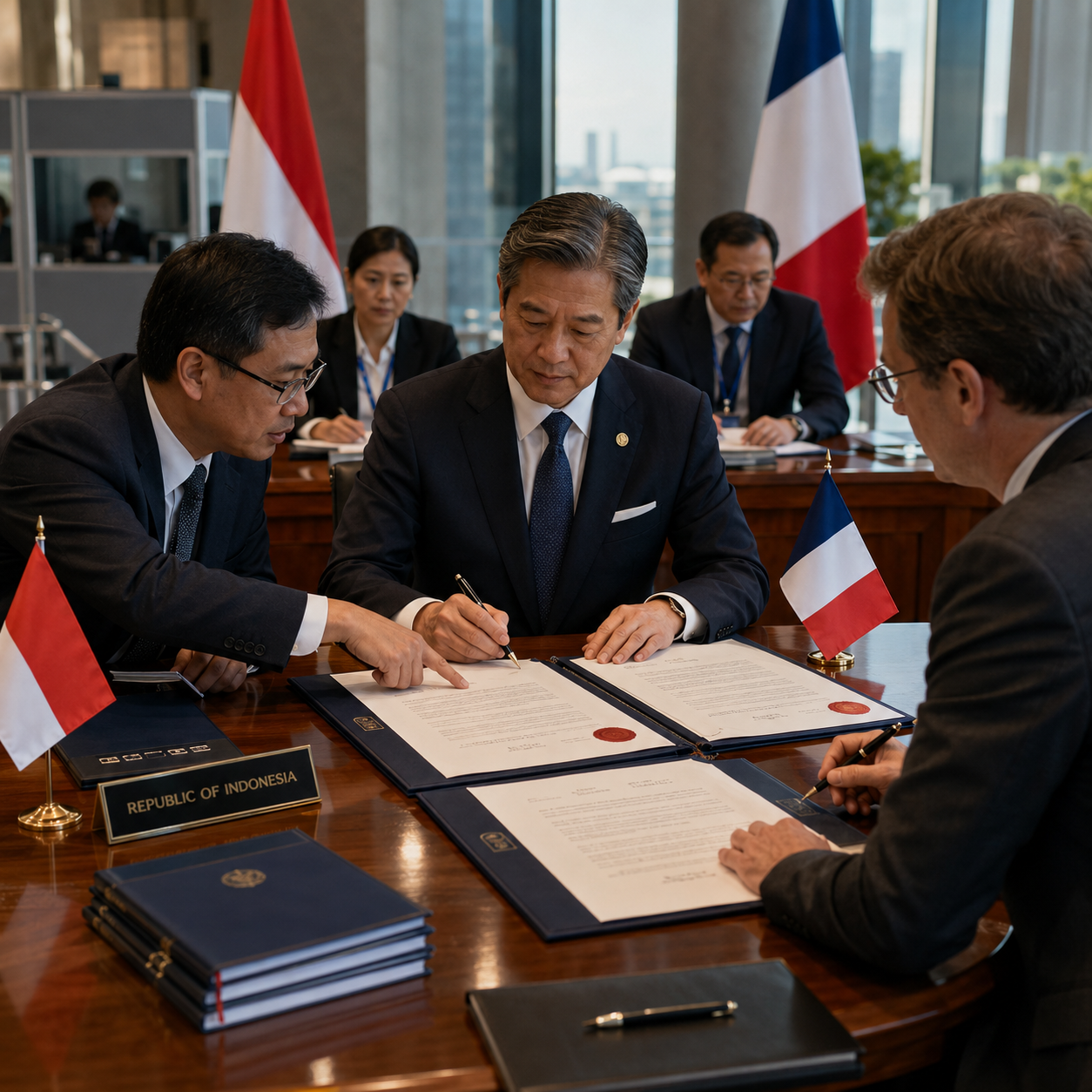
In this article, I’ll explain the history of the UUD 1945 Constitution, the major amendments that reshaped it, and why it still remains deeply relevant in modern Indonesia.
What Is the UUD 1945 Constitution?
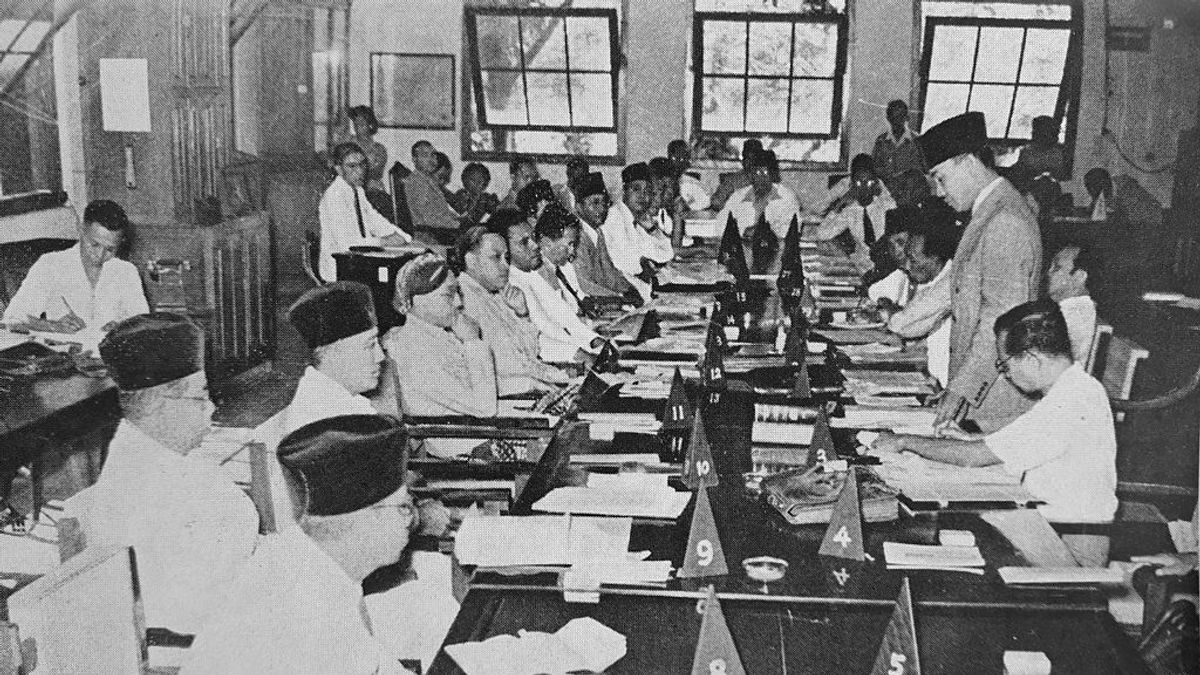
The UUD 1945 Constitution refers to the Constitution of the Republic of Indonesia that was first established in 1945, shortly after independence. It serves as the supreme legal basis for the Indonesian state.
From my perspective, what makes this constitution especially important is that it does more than organize institutions. It reflects national ideals, political evolution, and the effort to balance democracy, order, and social justice. The UUD 1945 Constitution outlines the structure of government, the powers of state bodies, and the rights of citizens.
It is also closely tied to Pancasila, which acts as the philosophical foundation of the nation.
Historical Background of the UUD 1945 Constitution
To understand the meaning of the UUD 1945 Constitution, I think it helps to look at the moment in which it emerged. Indonesia was entering independence under enormous pressure and uncertainty. The country needed a basic legal framework quickly, and the constitution became that foundation.
Early Formation in 1945
The constitution was drafted and adopted in August 1945 by the Preparatory Committee for Indonesian Independence. At that time, the priority was clear: establish a functioning state structure as soon as possible.
Constitutional Changes in Early Independence
Indonesia did not always use the original constitutional form continuously. There were periods when other constitutional arrangements applied, including the Federal Constitution of 1949 and the Provisional Constitution of 1950.
Return to the 1945 Constitution
In 1959, President Sukarno issued a decree that restored the UUD 1945 Constitution. From that point onward, it again became the primary constitutional basis of the state.
This historical journey matters because it shows that the constitution was not frozen in one political moment. It moved through different phases before reaching its current form.
Major Amendments and Why They Matter
One of the biggest turning points in Indonesian constitutional history came after the Reformasi period. This is where the UUD 1945 Constitution changed significantly.
The Amendment Period
Between 1999 and 2002, the constitution went through four major amendments. In my opinion, these reforms were essential because they responded to political demands for stronger democracy, better accountability, and limits on centralized power.
Key Changes Introduced
The amendments brought several major developments:
- Clearer separation of powers
- Direct presidential elections
- Stronger legislative framework
- Creation of the Constitutional Court
- Expanded recognition of human rights
- Revised role of state institutions such as the MPR and DPR
These updates made the UUD 1945 Constitution more aligned with democratic governance while still preserving its original national identity.
Why the Amendments Were Important
Before the amendments, the constitutional structure left room for broad executive dominance. After the reforms, the system became more balanced. That shift helped strengthen checks and balances in Indonesian politics.
Modern Relevance of the UUD 1945 Constitution
Some people treat constitutional discussion as if it belongs only in classrooms or legal circles. I think that is a mistake. The UUD 1945 Constitution remains highly relevant to everyday public life.
Foundation of Democratic Governance
Modern elections, presidential terms, institutional oversight, and legal review all operate within the framework of the constitution.
Protection of Rights
The constitution now includes more explicit human rights protections. This matters for freedom of expression, legal equality, education, religion, and civic participation.
Guidance for State Institutions
The roles of the president, parliament, judiciary, and regional government are defined through constitutional rules. Without this framework, political conflict would become much harder to manage fairly.
National Stability and Identity
The UUD 1945 Constitution also serves as a point of national continuity. Even as Indonesia changes socially and politically, the constitution helps maintain legal order and institutional direction.
Common Misunderstandings
I often notice a few misunderstandings when people talk about the UUD 1945 Constitution.
It Is Not Just the Original 1945 Text
Many people refer to it as if it still exists only in its untouched form. In reality, the amended version shapes today’s constitutional system.
It Is Not Only for Lawyers or Officials
Citizens benefit from understanding it too, because constitutional rules affect elections, rights, governance, and public accountability.
It Is Not Immune from Debate
Like any major constitutional framework, it can be interpreted, discussed, and evaluated in light of modern national needs.
Practical Importance for Citizens
From a practical point of view, understanding the UUD 1945 Constitution helps citizens become more informed and critical.
- It helps explain how government power is limited
- It clarifies the role of elections and institutions
- It strengthens civic awareness
- It provides context for legal and political debates
- It supports better public understanding of rights and responsibilities
A constitution may sound abstract, but its effects are very real.
Final Thoughts
For me, the UUD 1945 Constitution is one of the clearest windows into Indonesia’s political identity, legal structure, and democratic development. Its history shows how the nation was formed under urgency. Its amendments show how the country responded to demands for reform. And its modern role shows why constitutional understanding still matters today.
The real value of the UUD 1945 Constitution is not only that it defines the state. It also helps citizens understand how the state should work, where power comes from, and why accountability matters in a modern democracy.
Explore our “Politic” category for more insightful content!
Don't forget to check out our previous article: Executive Power: Presidency and Administration