








Politik Luar Negeri Bebas Aktif: Free and Active Foreign Policy in Indonesia
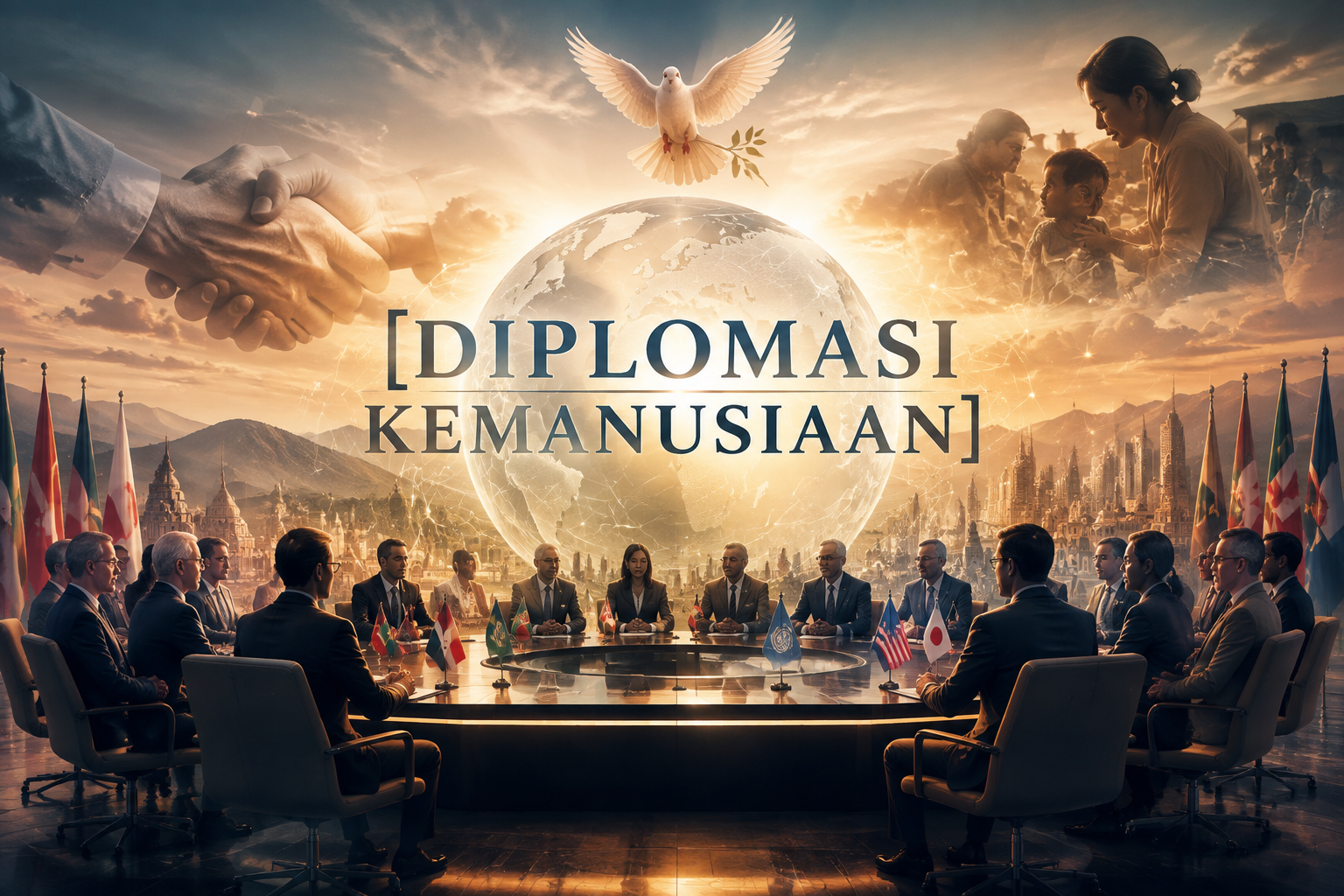
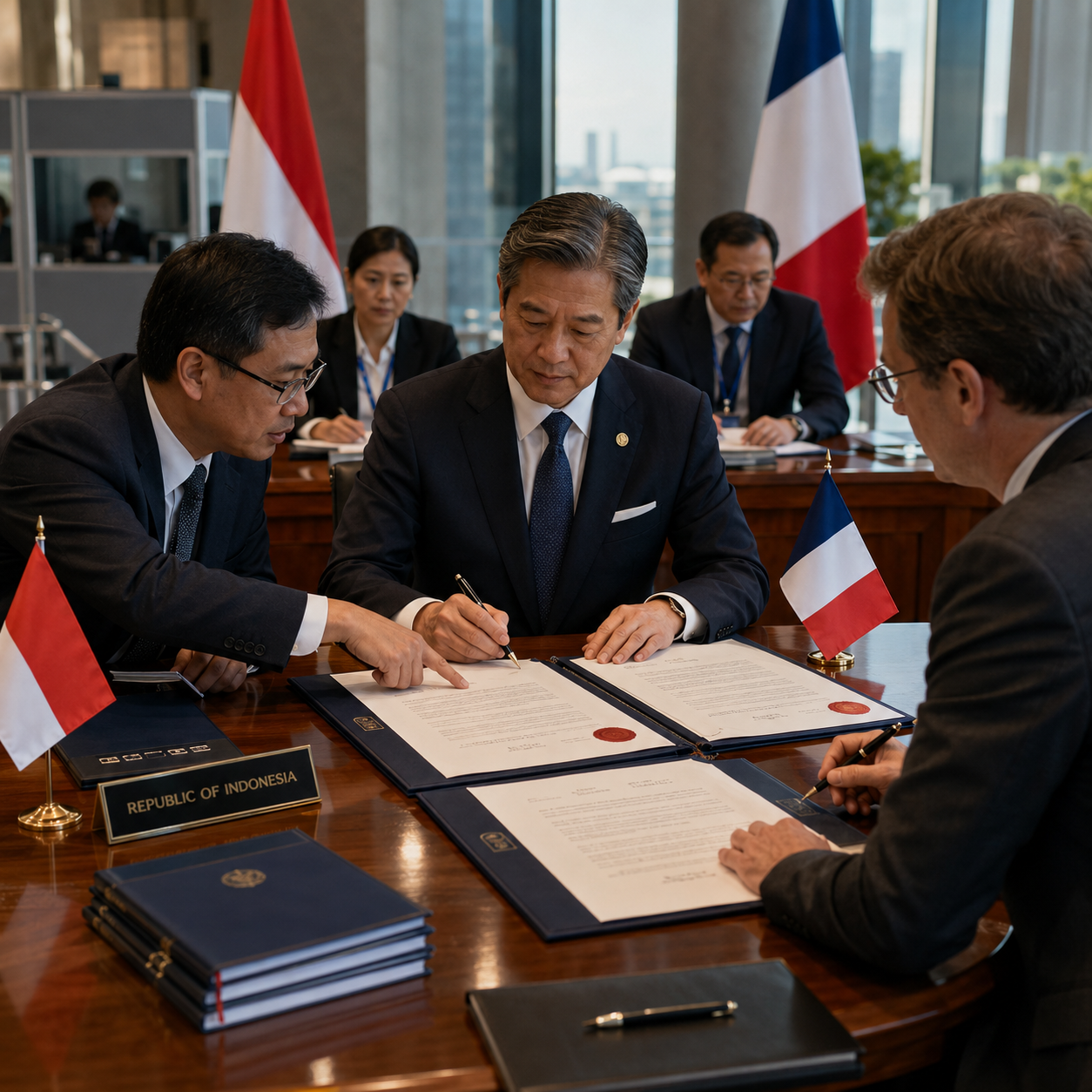
Jakarta, turkeconom.com – Politik Luar Negeri Bebas Aktif is one of the foundational principles of Indonesia’s international identity, shaping how the country positions itself in global affairs with independence and constructive engagement. Commonly translated as Free and Active Foreign Policy, this doctrine reflects Indonesia’s commitment to making its own foreign policy decisions without being bound to major power blocs, while also taking an active role in promoting peace, cooperation, and justice in international relations. It has long served as a guiding concept in Indonesia’s diplomacy and remains relevant in both regional and global contexts.
What makes Politik Luar Negeri Bebas Aktif especially important is that it combines sovereignty with participation. Indonesia does not seek isolation, nor does it align itself automatically with competing geopolitical camps. Instead, it aims to preserve national independence in decision making while contributing meaningfully to international dialogue and problem solving. In practical terms, it is diplomacy with both backbone and initiative.
Understanding Politik Luar Negeri Bebas Aktif
To understand its significance, it helps to look at what Politik Luar Negeri Bebas Aktif means within Indonesia’s political and diplomatic framework.
Core meaning
Politik Luar Negeri Bebas Aktif commonly refers to:
- A foreign policy that is free from domination by major power blocs
- An active role in international peace and cooperation
- Independent national decision making in global affairs
- Diplomatic engagement based on national interest and world peace
- A balanced approach to international relations
These principles define Indonesia’s approach to navigating a complex global environment.
Why it matters
Its importance lies in the way it helps Indonesia:
- Protect national sovereignty
- Maintain strategic independence
- Build constructive international partnerships
- Participate in conflict resolution and peace efforts
- Strengthen its role in regional and global diplomacy
This gives the doctrine both historical importance and continuing strategic value.
Historical Background of the Free and Active Foreign Policy
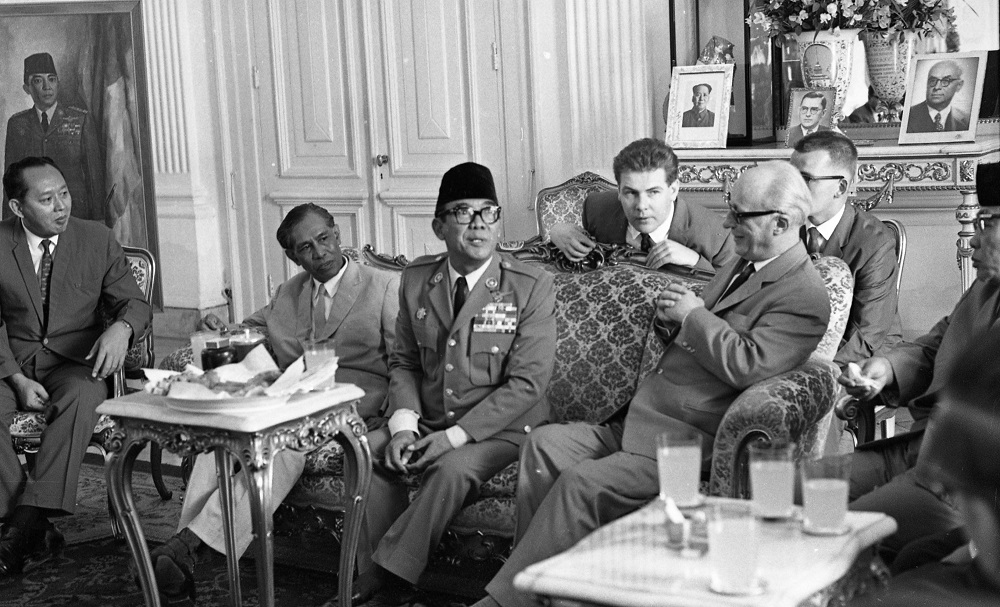
The doctrine of Politik Luar Negeri Bebas Aktif emerged during the early years of Indonesian independence, when the global political climate was shaped by ideological rivalry and bloc politics.
Origins and early context
After independence, Indonesia faced the challenge of defining its international position during the Cold War. In that environment, aligning too closely with one major power could threaten national sovereignty and reduce diplomatic flexibility. The idea of a free and active foreign policy offered an alternative path.
This principle was closely associated with the vision of Indonesian leaders who wanted the country to remain independent in its foreign relations while still contributing actively to global peace and anti colonial solidarity.
Historical significance
Its historical role can be seen in:
- Indonesia’s refusal to become part of rigid power alignments
- Its support for anti colonial movements
- Its participation in the Bandung Conference of 1955
- Its contribution to the development of the Non Aligned Movement
These moments helped define Indonesia as a country that valued both independence and international engagement.
Core Principles of Politik Luar Negeri Bebas Aktif
At the heart of Politik Luar Negeri Bebas Aktif are two closely connected ideas: being free and being active.
The meaning of bebas
The term bebas means free, which in this context refers to:
- Freedom to determine foreign policy independently
- Freedom from external domination
- Freedom from automatic alignment with rival global blocs
- Freedom to act according to national interest and constitutional values
This does not mean neutrality in a passive sense. It means independence in judgment and policy.
The meaning of aktif
The term aktif means active, which refers to:
- Participation in creating world peace
- Involvement in international organizations
- Diplomatic contribution to solving global and regional issues
- Support for justice, sovereignty, and cooperation among nations
This active dimension shows that Indonesia’s foreign policy is not inward looking. It seeks a role in shaping international outcomes.
Below is a concise overview of the two central components of Politik Luar Negeri Bebas Aktif.
| Component | Main Meaning | Why It Matters |
|---|---|---|
| Bebas | Independent foreign policy decision making | Protects sovereignty and strategic autonomy |
| Aktif | Constructive participation in international affairs | Strengthens Indonesia’s diplomatic relevance |
Together, these two principles form the foundation of Indonesia’s diplomatic posture.
The Role of Politik Luar Negeri Bebas Aktif in Modern Indonesia
In the contemporary era, Politik Luar Negeri Bebas Aktif continues to shape how Indonesia responds to changing geopolitical and economic realities.
Relevance today
The doctrine remains relevant because Indonesia now operates in a world marked by:
- Strategic competition among major powers
- Regional security challenges
- Economic interdependence
- Global issues such as climate change, migration, and health crises
In this setting, Indonesia uses its free and active approach to maintain flexibility while still engaging in international cooperation.
Modern diplomatic application
Today, this policy can be seen through:
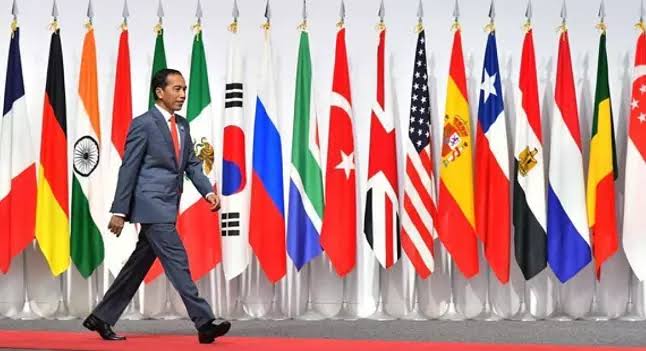
- Indonesia’s role in ASEAN
- Its engagement in multilateral forums
- Its support for peaceful conflict resolution
- Its balanced relations with major global powers
- Its advocacy for developing countries and global equity
This shows that the doctrine is not merely historical. It remains a practical framework for modern diplomacy.
Why This Foreign Policy Matters
Politik Luar Negeri Bebas Aktif matters because it gives Indonesia a consistent diplomatic identity while allowing room for adaptation in a changing international system.
Key strengths
It is especially important because it:
- Preserves policy independence
- Encourages active international contribution
- Supports regional leadership
- Protects national interests without isolation
- Reflects Indonesia’s constitutional and historical values
Broader significance
The broader significance of this doctrine lies in its balance. It rejects dependence, but it also rejects passivity. It enables Indonesia to act as a sovereign state that participates in global affairs with purpose and flexibility. That balance is one reason the concept has endured across different political eras.
Key Takeaways
Politik Luar Negeri Bebas Aktif is Indonesia’s principle of maintaining an independent and active foreign policy in international relations.
Main lessons
- Politik Luar Negeri Bebas Aktif means Free and Active Foreign Policy
- It emphasizes independence from major power domination and active global engagement
- The doctrine emerged from Indonesia’s early post independence diplomatic needs
- It played an important role in anti colonial solidarity and non aligned diplomacy
- It continues to guide Indonesia’s modern foreign policy in regional and global affairs
Final perspective
The key takeaway is that Politik Luar Negeri Bebas Aktif remains central to understanding Indonesia’s diplomatic identity. It expresses a foreign policy that is independent in principle and engaged in action, allowing Indonesia to pursue its national interests while contributing to peace and cooperation in the wider world.
Explore our “”Politic“” category for more insightful content!
Don't forget to check out our previous article: Clean Government: Transparency and Accountability of Indonesia Government
