







Political Discourse: Language and Rhetoric in Politics — Real Talk from Inside the Arena
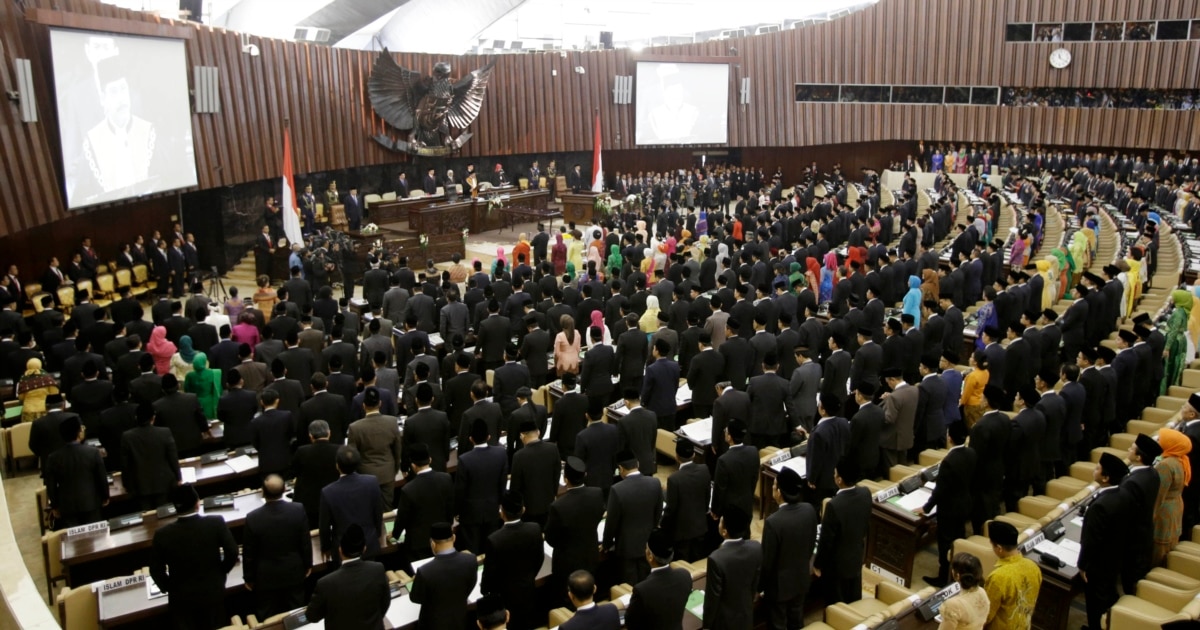
JAKARTA, turkeconom.com – Political discourse in Indonesia plays a crucial role in shaping the nation’s political landscape. The language and rhetoric used by politicians not only influence public perception but also reflect the country’s diverse cultural and social fabric. This article delves into the intricacies of political discourse in Indonesia, examining how language is employed in the political arena and its implications for democracy and civic engagement.
The Importance of Political Discourse in Indonesia
Shaping Public Opinion
In Indonesia, the language used by politicians can significantly impact public opinion. Politicians often employ persuasive rhetoric to frame issues, appeal to emotions, and sway voters. For example, during elections, candidates may use positive language to describe their policies while framing their opponents’ proposals in a negative light, thereby influencing voter perceptions.
Building Political Identity
Political discourse is essential for constructing identities in a diverse nation like Indonesia. Politicians utilize language to convey their values, beliefs, and priorities, allowing constituents to identify with them. This identity-building is particularly important in a country with over 300 ethnic groups and multiple languages, where effective communication can bridge cultural divides.
Encouraging Political Engagement
Clear and relatable political discourse can foster civic engagement. When politicians communicate effectively, they make complex issues more accessible, motivating citizens to participate in political discussions, attend community forums, and vote. This engagement is vital for strengthening democratic processes in Indonesia.
Key Elements of Political Discourse in Indonesia
Rhetorical Strategies
Indonesian politicians often use various rhetorical strategies to enhance their messages, including:
- Ethos: Establishing credibility through personal stories or highlighting experiences that resonate with the public.
- Pathos: Utilizing emotional appeals to connect with voters on a personal level, often invoking national pride or shared values.
- Logos: Presenting logical arguments supported by data and facts to persuade skeptical audiences.
Framing and Spin
Framing is a common tactic in Indonesian political discourse. Politicians often frame issues in ways that highlight their strengths while downplaying weaknesses. For instance, a government initiative may be framed as a “success story” to garner public support, even if the outcomes are mixed.
The Role of Media
The media plays a significant role in shaping political discourse in Indonesia. Journalists and commentators interpret and analyze political messages, influencing public perception. The rise of social media has further transformed this landscape, allowing for rapid dissemination of information but also contributing to the spread of misinformation.
Challenges in Political Discourse
Polarization and Divisiveness
Contemporary Indonesian political discourse is often marked by polarization. Language that emphasizes division can hinder constructive dialogue and compromise, making it challenging to address pressing societal issues. Political rhetoric can sometimes exacerbate tensions between different ethnic and religious groups.
Misinformation and Fake News
The proliferation of misinformation poses a significant challenge to political discourse in Indonesia. False narratives can spread rapidly, undermining trust in legitimate sources and complicating public understanding of important issues. Politicians may exploit misinformation to manipulate public opinion, further complicating the political landscape.
Accessibility and Inclusivity
Political discourse can sometimes be exclusionary, using complex language or jargon that alienates certain groups. Ensuring that political communication is accessible to all citizens is essential for fostering an inclusive democracy where diverse voices can be heard.
Strategies for Effective Political Discourse
Promoting Clarity and Transparency
Indonesian politicians should strive for clarity in their messaging, avoiding jargon and overly complex language. Transparent communication fosters trust and allows citizens to make informed decisions about policies and candidates.
Encouraging Constructive Dialogue
Creating spaces for constructive dialogue among diverse groups can help bridge divides. Politicians and community leaders should promote discussions that emphasize common ground rather than focusing solely on differences, fostering unity in diversity.
Leveraging Technology for Engagement
Utilizing technology to engage with constituents can enhance political discourse. Social media platforms, webinars, and online forums provide opportunities for direct communication and feedback, fostering a more participatory political environment.
Conclusion
Political discourse in Indonesian politics is a dynamic and influential aspect of the political landscape. The language and rhetoric used by politicians shape public opinion, construct identities, and facilitate engagement. However, challenges such as polarization, misinformation, and accessibility must be addressed to ensure a healthy democratic discourse.
By promoting clarity, encouraging constructive dialogue, and leveraging technology, Indonesia can create a political environment that values diverse perspectives and fosters meaningful engagement. In the arena of politics, effective discourse is not just about winning arguments; it’s about building a society where every voice matters and every citizen feels empowered to participate in the democratic process.
Sharpen Your Skills: Delve into Our Expertise on Politic
Check Out Our Latest Piece on Media Censorship!
