






Polarization: Social Divides in Indonesian Politics – Why We’re More Split Than Ever
JAKARTA, turkeconom.com – Polarization: Social Divides in Indonesian Politics isn’t just another buzzword on the news, guys. If you’ve checked your timeline lately, it’s obvious how heated debates get—especially around election season. Trust me, I’ve felt awkward at family gatherings just because two cousins stand on totally different sides of the politic fence!
In recent years, Indonesia has witnessed growing polarization in its political landscape. From heated debates on social media to street demonstrations, the social divides shaping our national discourse are more pronounced than ever. But what drives this polarization, and how does it affect the future of Indonesian democracy? In this article, we’ll explore the root causes, key examples, and potential paths toward healing our fractured society.
What Is Polarization?

Polarization refers to the process by which opinions, beliefs, and identities within a society become more extreme and oppositional. Rather than finding common ground, groups cluster at ideological extremes, leading to:
- Echo chambers in media and social networks
- Diminished willingness to compromise
- Heightened intergroup tensions
When polarization intensifies, public discourse often devolves into “us vs. them,” eroding trust in institutions and stalling policy-making.
Drivers of Political Polarization in Indonesia
- Social Media and Algorithms
- Platforms like Facebook, Twitter, and TikTok amplify sensationalist and divisive content.
- Algorithmic feeds reward engagement, pushing users toward more extreme viewpoints.
- Identity Politics
- Religious, ethnic, and regional identities are increasingly leveraged by political actors.
- Campaigns that emphasize identity over policy deepen group loyalties and resentments.
- Economic Disparities
- Uneven development across islands and provinces fuels resentment.
- Those left behind economically are more susceptible to populist, polarizing rhetoric.
- Fragmented Media Landscape
- Proliferation of partisan news outlets and influencers.
- Decline in journalistic standards and fact-checking contributes to misinformation.
- Political Competition
- Intensified rivalries between major parties lead to negative campaigning.
- Power struggles at both national and regional levels encourage zero-sum thinking.
Key Examples of Polarization in Recent Elections
- 2019 Presidential Election:
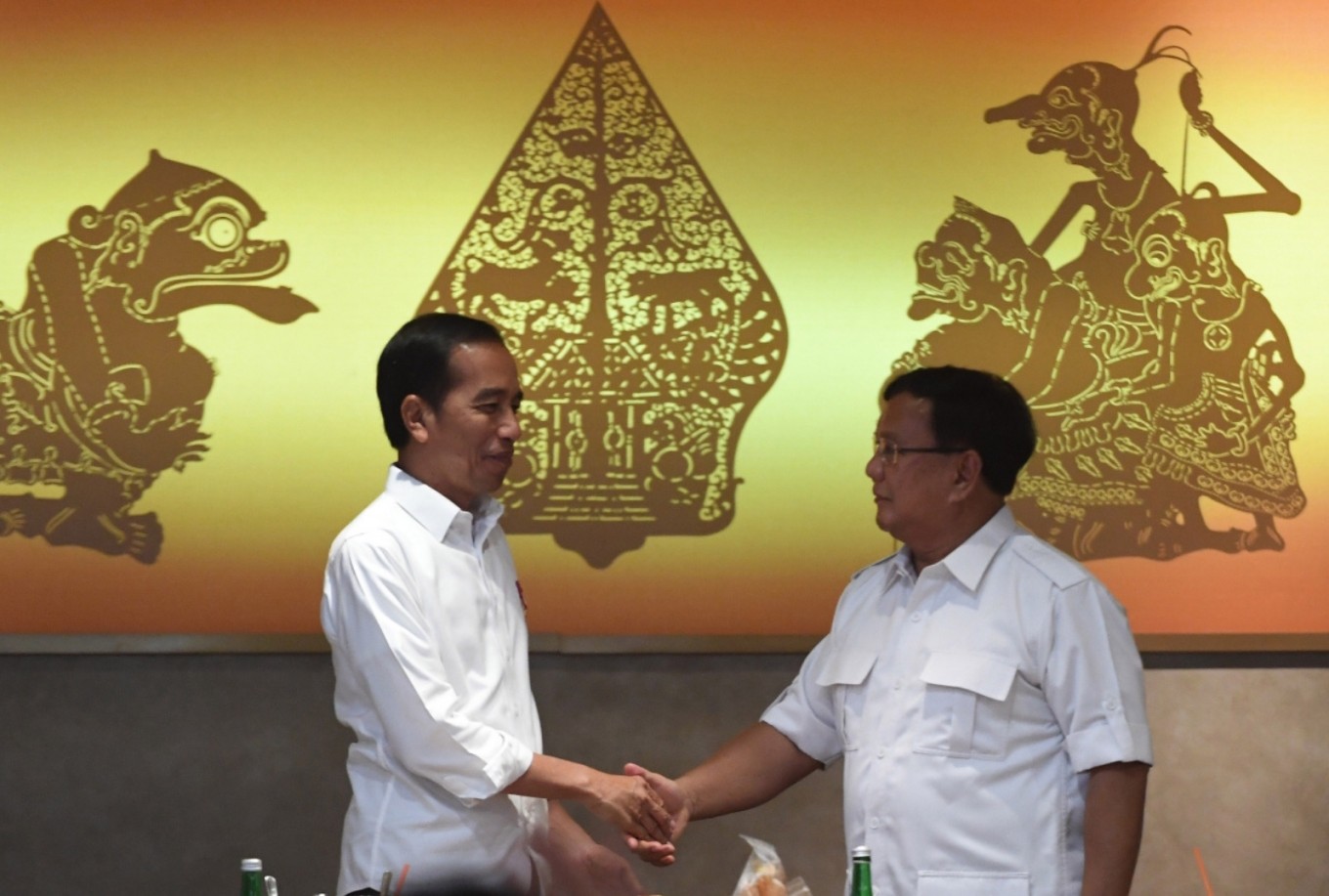
The contest between President Joko Widodo and Prabowo Subianto highlighted religious and economic fault lines. Social media campaigns spread unverified claims about both candidates, deepening divides. - 2020 Jakarta Gubernatorial Race:
Identity-based appeals—particularly around religious majority versus minority—dominated the narrative, overshadowing substantive policy discussions. - 2024 Regional Elections:
Provinces such as West Java and North Sumatra saw campaigns that pitted urban voters against rural constituencies, exploiting class and development gaps.
Impacts of Political Polarization
- Erosion of Trust: Citizens distrust government institutions and the media, perceiving them as biased or corrupt.
- Policy Gridlock: Extremes on both sides make consensus-building difficult, stalling critical reforms in healthcare, education, and infrastructure.
- Social Fragmentation: Communities and even families fracture along ideological lines, increasing social tension and reducing social cohesion.
- Rise of Populism: Charismatic leaders exploit fears and resentments to gain power, sometimes undermining democratic norms.
Mitigating Polarization: Pathways to Unity
- Strengthen Media Literacy
- Integrate critical-thinking and fact-checking curricula in schools.
- Encourage public workshops and campaigns on discerning credible news.
- Promote Inclusive Dialogue
- Organize cross-community forums where citizens can discuss local issues face-to-face.
- Support civil society initiatives that bridge ethnic, religious, and regional divides.
- Reform Social Media Regulation
- Enforce transparency in platform algorithms and political advertising.
- Collaborate with tech companies to curb hate speech and misinformation without infringing on free expression.
- Address Economic Inequalities
- Accelerate infrastructure and social welfare programs in underdeveloped regions.
- Foster grassroots entrepreneurship and equitable resource distribution.
- Encourage Responsible Leadership
- Hold political parties and candidates accountable for divisive rhetoric.
- Reward collaborative policy proposals and bipartisan efforts.
Conclusion
Polarization in Indonesian politics is a complex phenomenon driven by social media dynamics, identity mobilization, economic disparities, and partisan competition. Its impacts—from eroding trust to policy gridlock—pose serious challenges to our democracy. However, by strengthening media literacy, fostering inclusive dialogue, reforming regulations, and addressing economic inequalities, we can begin to bridge the divides that threaten our social fabric.
The path to unity won’t be easy, but collective commitment—across communities, institutions, and the digital sphere—can restore the spirit of gotong royong and propel Indonesia toward a more harmonious future.
Sharpen Your Skills: Delve into Our Expertise on Politic
Check Out Our Latest Piece on Indonesia Governance: Navigating Complexities!
