







Minimum Wage: Setting Equitable Pay Rates Across Indonesia’s Regions
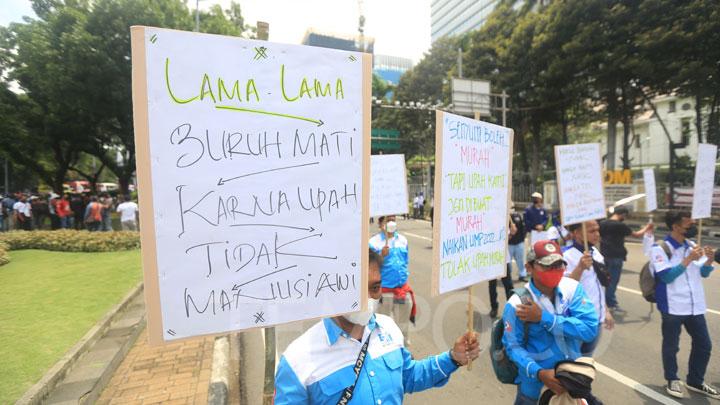
Jakarta, turkeconom.com – Minimum Wage plays a central role in shaping fair labor standards, household income stability, and regional economic balance across Indonesia. As a legally defined wage floor, it is intended to protect workers from excessively low pay while reflecting broader concerns such as living costs, productivity, inflation, and local economic conditions. In a country as geographically and economically diverse as Indonesia, setting equitable minimum wage levels is not a simple matter of applying one number everywhere. Regional differences make wage policy both necessary and complex.
What makes Minimum Wage particularly important in Indonesia is the challenge of balancing worker welfare with business sustainability across provinces and districts that vary widely in cost of living, industrial activity, and employment conditions. A wage level that may be reasonable in one area could be inadequate in another or difficult for employers to absorb elsewhere. This is where the policy becomes less about a single figure and more about structured adjustment. Economics, as usual, prefers nuance over convenience.
What Minimum Wage Is

Minimum Wage is the lowest legally permitted level of pay that employers must provide to workers for their labor. In Indonesia, minimum wage policies are generally determined through regional mechanisms so that pay standards can better reflect local conditions rather than applying a uniform national amount to all workers and employers.
Common features associated with Minimum Wage include:
- Legal wage floor
- Worker income protection
- Regional wage setting
- Consideration of living costs
- Links to inflation and productivity
- Government regulation
- Labor market impact
- Employer compliance requirements
These features explain why Minimum Wage remains a key labor policy tool in Indonesia.
Why Minimum Wage Matters
Minimum Wage matters because it influences both social protection and economic functioning.
Worker Protection
It helps ensure that employees receive a basic standard of pay.
Regional Fairness
Different regions can set wage levels that reflect local economic realities.
Cost of Living Consideration
It supports wage policies that respond to household needs and price conditions.
Economic Stability
A minimum wage can support purchasing power and local consumption.
Labor Regulation
It creates a formal benchmark for employer obligations and labor rights.
These strengths explain why Minimum Wage is an important issue in shaping equitable pay rates across Indonesia’s regions.
Core Characteristics of Minimum Wage Policy
Its function becomes clearer when its main characteristics are viewed together.
| Characteristic | Description | Why It Matters |
|---|---|---|
| Legal enforceability | Employers are required to comply with set wage floors | Protects workers from underpayment |
| Regional variation | Wage levels differ by province or district | Reflects local economic conditions |
| Social protection role | Supports a minimum standard of earnings | Helps reduce extreme wage inequality |
| Economic sensitivity | Influenced by inflation, growth, and labor productivity | Connects wage policy to real economic factors |
| Policy balancing | Must consider both workers and employers | Affects sustainability and compliance |
Together, these characteristics show why Minimum Wage is a critical tool for balancing fairness and practicality in Indonesia’s labor market.
How Minimum Wage Works in Practice
In practice, Minimum Wage in Indonesia is shaped through regional wage-setting processes that consider local economic indicators and regulatory frameworks. Provincial or regional authorities assess factors such as inflation, growth trends, labor conditions, and living needs before determining the applicable wage floor. Employers are then expected to comply with these rates for eligible workers, while labor oversight mechanisms help monitor implementation.
It is especially associated with:
- Labor policy
- Regional governance
- Worker welfare
- Employer regulation
- Economic planning
- Inflation response
- Wage compliance
- Social equity
This broad relevance shows how Minimum Wage affects not only workers and businesses, but also wider regional development.
Challenges in Setting Equitable Pay Rates
Minimum Wage policy is important, but applying it fairly across Indonesia involves real challenges.
Key Challenges
- Large regional differences in cost of living
- Uneven economic development
- Variation in employer capacity
- Enforcement and compliance gaps
- Tension between labor protection and business competitiveness
These challenges show that Minimum Wage is not simply about raising or lowering wages. It is about designing a policy that responds to diverse regional conditions without losing sight of fairness.
Why It Remains Important
Minimum Wage remains important because Indonesia’s regional diversity makes wage equity an ongoing policy concern rather than a solved issue. As prices, labor markets, and economic structures continue to change, wage-setting systems must adapt to maintain relevance and legitimacy. A well-designed minimum wage framework can help support workers, reduce vulnerability, and contribute to more balanced development across regions.
It continues to stand out because it provides:
- A legal baseline for fair pay
- Protection for workers in diverse regional economies
- A tool for linking wages to living conditions
- Support for formal labor standards
- A framework for balancing social and economic interests
This is why Minimum Wage remains essential to setting equitable pay rates across Indonesia’s regions.
Final Thoughts
Minimum Wage is more than a number on a regulation. It is a policy instrument that reflects how a society defines fairness, work, and economic responsibility. In Indonesia, where regional differences shape daily life in significant ways, wage-setting must remain attentive to both equity and practicality. The goal is not perfect uniformity, but a fairer balance between local realities and basic worker protection.
The key takeaway is simple. Minimum Wage matters because equitable pay begins with recognizing that fairness must be grounded in the realities of each region.
Explore our “”Politic“” category for more insightful content!
Don't forget to check out our previous article: Indonesia Political Alliances: Coalition Building in Indonesia Politics
