Historical Context

1. Islam’s Introduction to Indonesia
Islam was introduced to Indonesia in the 13th century through trade and cultural exchanges, primarily by Arab and Indian merchants. Over the centuries, it spread across the archipelago, leading to the establishment of various Islamic sultanates. These early Islamic states laid the groundwork for the integration of Islamic principles into local governance.
2. Colonial Era and Independence
During the Dutch colonial period, Islamic organizations began to emerge, advocating for social and political reforms. The struggle for independence in the mid-20th century saw the rise of nationalist movements that often incorporated Islamic elements. The 1945 Constitution of Indonesia recognized Islam as a significant influence in shaping the nation’s identity while also promoting a secular state.
Current Political Dynamics
1. Political Parties and Islamic Organizations
Islamic politics in Indonesia is represented by various political parties and organizations, each advocating for different interpretations of Islam in governance. Key players include:
- Partai Persatuan Pembangunan (PPP): Established in 1973, this party aims to promote Islamic values in governance and has been part of several coalition governments.
- Partai Keadilan Sejahtera (PKS): Founded in 1998, PKS emphasizes social justice and Islamic values, gaining popularity among urban youth.
- Nahdlatul Ulama (NU) and Muhammadiyah: These are two of the largest Islamic organizations in Indonesia, influencing social and political discourse through their vast networks and educational institutions.
2. Islamic Law and Governance
While Indonesia is a secular state, Islamic law (Sharia) influences various aspects of governance, particularly in regions with significant Muslim populations. Aceh province, for instance, implements Sharia law in its legal system, reflecting the aspirations of local Islamic groups. Other regions have adopted elements of Islamic law in areas such as family law and morality.
3. Role of Religion in Elections
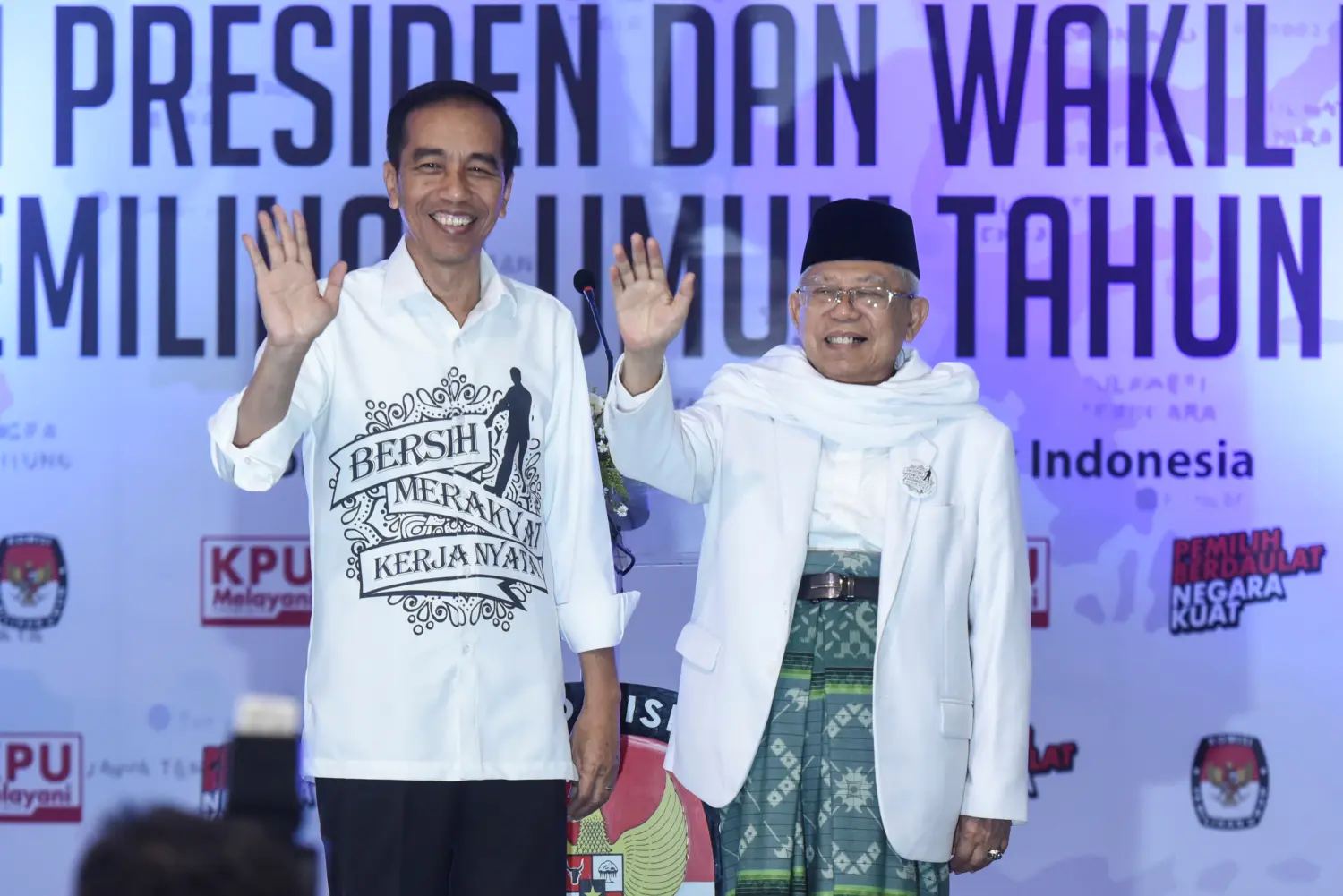
Islamic identity plays a crucial role in Indonesian elections. Political candidates often emphasize their Islamic credentials to gain support from the Muslim electorate. Religious leaders and organizations can significantly influence voter behavior, making their endorsements highly sought after during election campaigns.
Implications of Islamic Politics on Governance
1. Social Cohesion and National Identity
Islamic politics contributes to a sense of national identity and social cohesion among Muslims in Indonesia. It fosters a shared cultural and religious framework that unites diverse ethnic groups under the banner of Islam. However, this can also lead to tensions with minority groups and non-Muslims, necessitating careful management of religious diversity.
2. Policy Formulation and Implementation
Islamic values often shape policy decisions, particularly in areas related to social welfare, education, and morality. Initiatives promoting Islamic education and social programs are common, reflecting the desire to align governance with Islamic principles. However, this can sometimes result in conflicts with secular policies and human rights considerations.
3. Challenges of Radicalism
While the majority of Indonesian Muslims practice a moderate form of Islam, the rise of radicalism poses significant challenges to governance. Extremist groups have attempted to exploit Islamic sentiments for political gain, leading to concerns about national security and social stability. The government has responded with counter-radicalization efforts, emphasizing moderate interpretations of Islam.
Conclusion
Islamic politics significantly influences governance in Indonesia, shaping its political landscape, social policies, and national identity. As the country navigates the complexities of a diverse society, balancing Islamic values with democratic principles remains a critical challenge. Understanding the interplay between Islam and governance is essential for fostering social harmony and promoting inclusive development in Indonesia.