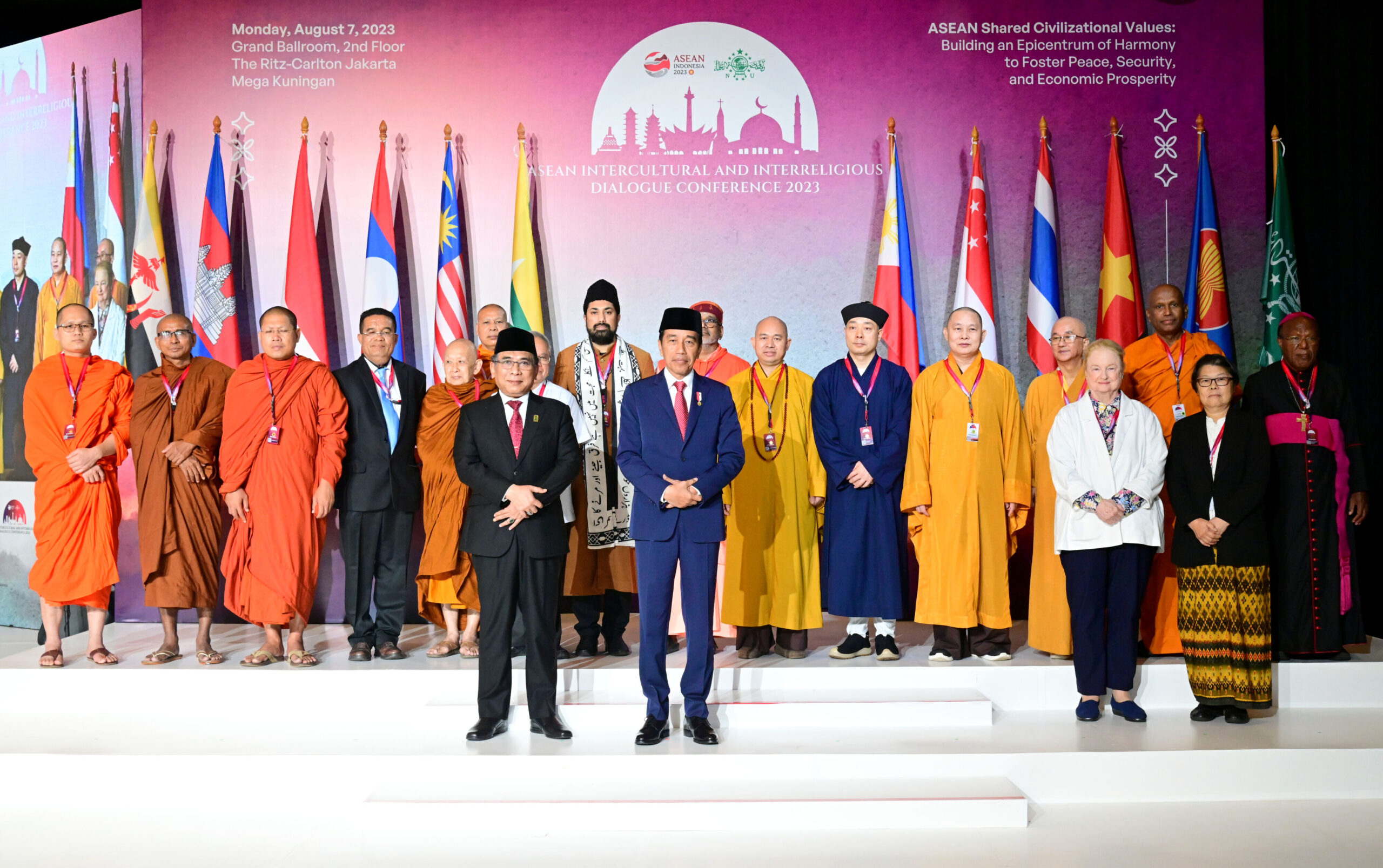
Interfaith dialogue is a vital process that fosters understanding, respect, and cooperation among different religious groups. In Indonesia, a nation known for its rich tapestry of cultures and religions, engaging in interfaith dialogue is essential for promoting peace and harmony. This article explores the importance of interfaith dialogue in Indonesia, shares real stories that highlight its impact, and provides smart tips for fostering meaningful conversations between diverse religious communities.
The Importance of Interfaith Dialogue in Indonesia
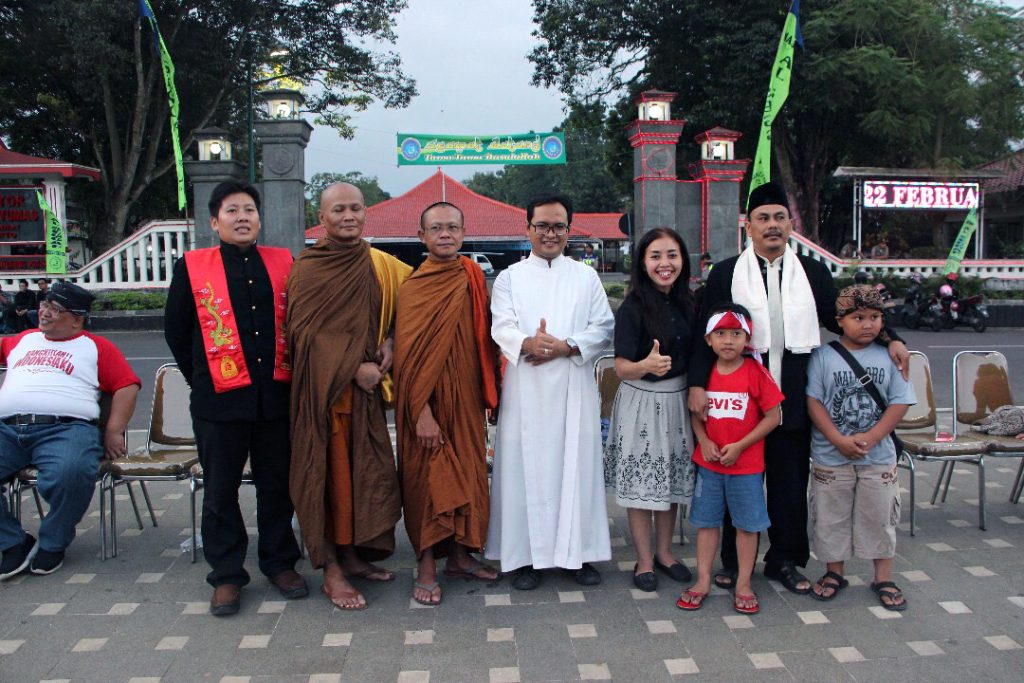
Indonesia is home to various religions, including Islam, Christianity, Hinduism, Buddhism, and indigenous beliefs. This diversity enriches the nation’s culture but can also lead to misunderstandings and tensions. Interfaith dialogue serves several critical purposes:
- Promoting Tolerance: By encouraging conversations between different faiths, interfaith dialogue helps to break down stereotypes and misconceptions, fostering a culture of tolerance and acceptance.
- Building Community: Engaging in dialogue brings people together, creating a sense of community and shared purpose. It allows individuals to find common ground, even amidst differing beliefs.
- Conflict Resolution: Open discussions can help address grievances and conflicts that may arise between religious groups. By providing a platform for dialogue, communities can work together to find solutions and prevent violence.
- Strengthening Democracy: A society that embraces interfaith dialogue is better equipped to uphold democratic values, as it encourages participation, inclusivity, and respect for diverse perspectives.
Real Stories of Interfaith Dialogue in Indonesia
1. The Interfaith Peace Forum in Yogyakarta
In Yogyakarta, an interfaith peace forum was established to bring together religious leaders from various backgrounds. This initiative began after a series of communal tensions in the region. The forum facilitated discussions on shared values, such as compassion and justice, leading to collaborative community projects, including educational programs and social services. Participants reported feeling more connected to one another and committed to working together for peace.
2. The “One Day, One Faith” Project
In Jakarta, the “One Day, One Faith” project encouraged participants to spend a day experiencing another religion’s practices. For instance, a Muslim participant might attend a church service, while a Christian might visit a mosque. This project aimed to foster empathy and understanding, allowing individuals to appreciate the beliefs and traditions of their neighbors. Many participants expressed how this experience shifted their perspectives and deepened their respect for different faiths.
3. Youth Interfaith Dialogues in Bali
In Bali, youth from various religious backgrounds came together for interfaith dialogues focusing on environmental issues. Recognizing that climate change affects everyone, regardless of faith, these young leaders collaborated on sustainability initiatives. Their joint efforts not only addressed environmental concerns but also built lasting friendships and mutual respect among participants, demonstrating the power of common goals in bridging divides.
Smart Tips for Fostering Interfaith Dialogue
1. Create Safe Spaces for Dialogue
Establish environments where individuals feel comfortable expressing their beliefs without fear of judgment. Safe spaces encourage open and honest conversations, allowing participants to share their perspectives freely.
2. Focus on Common Values
Highlight shared values, such as compassion, love, and justice, to build rapport among participants. Emphasizing common ground can help reduce tensions and foster a sense of unity.
3. Encourage Active Listening
Promote active listening during discussions. Encourage participants to listen without interrupting, showing respect for each other’s viewpoints. This practice can lead to a deeper understanding of differing beliefs.
4. Involve Community Leaders
Engage religious and community leaders in the dialogue process. Their involvement can lend credibility to the initiative and encourage broader participation from their respective communities.
5. Utilize Storytelling
Incorporate storytelling as a tool for sharing experiences and beliefs. Personal stories can humanize complex issues and create emotional connections among participants, making the dialogue more impactful.
6. Organize Joint Activities
Facilitate joint activities that bring together individuals from different faiths, such as community service projects, cultural events, or educational workshops. These shared experiences can strengthen bonds and promote collaboration.
7. Be Patient and Persistent
Building bridges takes time and effort. Be patient with the process and recognize that meaningful change may not happen overnight. Consistent dialogue and engagement are essential for fostering lasting relationships.
Conclusion
Interfaith dialogue is a powerful tool for fostering understanding, tolerance, and cooperation among Indonesia’s diverse religious groups. Through real stories of successful initiatives and the implementation of smart strategies, communities can work together to build bridges and promote peace.
As individuals engage in interfaith dialogue, they contribute to a more harmonious society, where differences are celebrated, and commonalities are embraced. By fostering open conversations and understanding, we can create a brighter future for all Indonesians, regardless of their faith. Embrace the spirit of interfaith dialogue and take the first step towards building a more inclusive and peaceful world!