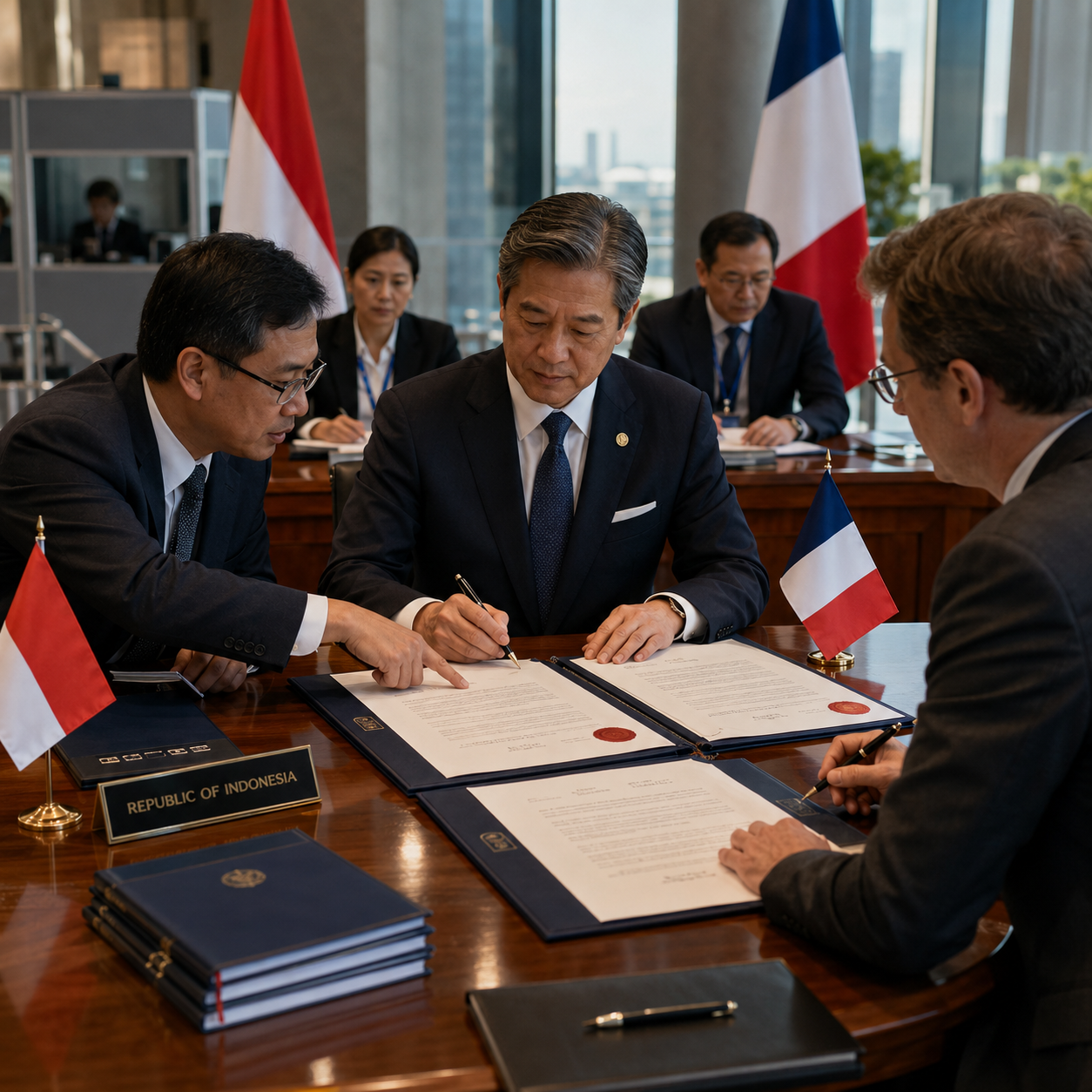
What makes Indonesia International Relations especially interesting is the country’s effort to balance regional leadership with broader global engagement. Indonesia has often pursued an independent and active foreign policy approach, seeking to maintain strategic autonomy while participating in international institutions and dialogues. This allows Indonesia to position itself as a bridge-builder between developed and developing nations, between major powers, and between regional priorities and global challenges.
What Indonesia International Relations Means

Indonesia International Relations refers to the way Indonesia engages with other countries, international organizations, and global issues through diplomacy, trade, security cooperation, political dialogue, and multilateral participation. It covers Indonesia’s foreign policy strategies, international partnerships, and contributions to regional and global stability.
Core dimensions of Indonesia International Relations include:
- Bilateral diplomacy with major and neighboring countries
- Regional leadership through ASEAN
- Participation in the United Nations and other global institutions
- Trade and economic partnerships
- Maritime and security cooperation
- Climate and sustainability diplomacy
- Humanitarian and peace-related engagement
These dimensions show that Indonesia’s international role is broad rather than narrow. It is not limited to one issue area but spans political, economic, environmental, and strategic concerns.
Why Indonesia Matters in Global Affairs
Indonesia matters in global affairs because it combines demographic scale, economic relevance, strategic geography, and diplomatic credibility. It is often viewed as a key voice from the Global South and an important middle power in international politics.
Strategic Geographic Position
Indonesia sits along vital sea lanes that are important for global trade and maritime security.
Regional Leadership
Its influence within Southeast Asia gives it a central role in ASEAN and regional diplomacy.
Economic Importance
As a large and growing economy, Indonesia is an increasingly important trade and investment partner.
Democratic Significance
Indonesia is often cited as one of the world’s largest democracies and a notable example of democratic development in the Muslim-majority world.
Diplomatic Flexibility
Its foreign policy tradition allows it to engage with different blocs and powers without easily aligning too closely with any single camp.
These qualities help explain why Indonesia is often included in conversations about Indo-Pacific stability, global development, and emerging power dynamics.
Core Areas of Indonesia International Relations
To better understand Indonesia International Relations, it helps to break the topic into several major areas.
| Area |
Indonesia’s Role |
Why It Matters |
| ASEAN |
Founding and influential member |
Supports regional diplomacy and stability |
| Global Institutions |
Active participant in multilateral forums |
Expands Indonesia’s voice on world issues |
| Trade and Economy |
Builds partnerships and market access |
Strengthens growth and international relevance |
| Maritime Security |
Protects sea lanes and territorial interests |
Important for regional and global stability |
| Climate Diplomacy |
Engages in sustainability and environmental negotiations |
Critical due to Indonesia’s ecological significance |
These areas show how Indonesia’s foreign relations connect domestic priorities with broader global concerns.
ASEAN and Regional Diplomacy
A major part of Indonesia International Relations is Indonesia’s role in ASEAN. As one of the organization’s founders and most influential members, Indonesia has often helped shape the direction of regional cooperation. It plays a central role in discussions involving Southeast Asian stability, economic integration, and diplomatic responses to regional tensions.
Indonesia’s regional importance is reflected in:
- Its long-term diplomatic role within ASEAN
- Its efforts to preserve regional dialogue and consensus
- Its involvement in Indo-Pacific discussions
- Its support for Southeast Asian centrality in broader strategic affairs
This makes Indonesia a central player in the political architecture of Southeast Asia.
Indonesia and Major Powers
Indonesia’s approach to major powers is often defined by balance. Rather than aligning rigidly with one global bloc, Indonesia generally seeks to maintain constructive relations with multiple partners, including the United States, China, Japan, Australia, the European Union, and others.
This balancing approach supports:
- Strategic autonomy
- Economic diversification
- Diplomatic flexibility
- Reduced dependence on any one major power
In practice, this means Indonesia often tries to protect its own national interests while navigating competition among larger states. Diplomacy, in this context, becomes a careful art of shaking hands without getting pulled too hard in any one direction.
Economic and Trade Relations
Economic diplomacy is another important part of Indonesia International Relations. Indonesia seeks to expand exports, attract foreign investment, participate in supply chains, and strengthen economic resilience through international partnerships. Its growing consumer market and natural resource base also contribute to its international economic relevance.
Important aspects include:
- Bilateral and regional trade agreements
- Foreign direct investment partnerships
- Infrastructure and development cooperation
- Energy and resource diplomacy
- Efforts to support industrial growth and downstream development
These economic relationships help shape Indonesia’s broader position in international affairs.
Climate, Maritime, and Global Issues
Indonesia also plays an important role in issues that go beyond traditional diplomacy. As a major archipelagic state, it has strong interests in maritime governance, fisheries, territorial security, and sea-lane stability. At the same time, Indonesia is highly relevant in climate discussions because of its forests, biodiversity, emissions challenges, and environmental policy significance.
Its role in global issues includes:
- Climate and environmental negotiations
- Maritime cooperation and security
- Disaster response and humanitarian engagement
- Peacekeeping and international dialogue
- Advocacy on behalf of developing countries and emerging economies
These issues strengthen Indonesia’s position as a country whose international relevance extends beyond its immediate neighborhood.
Final Thoughts
Indonesia International Relations reflects the role of a strategically important country that combines regional leadership, diplomatic independence, economic potential, and global engagement. Indonesia matters not only because of its size and location, but also because of the way it positions itself in relation to trade, security, climate, multilateral cooperation, and the evolving balance of power in the Indo-Pacific and beyond.
The key takeaway is simple. Indonesia International Relations is significant because Indonesia acts as a regional anchor, a global middle power, and a diplomatic bridge in a complex international environment.
Explore our “”Politic“” category for more insightful content!
Don't forget to check out our previous article: Swing Voters: Identifying and Winning Over Indonesia’s Electoral Undecideds