










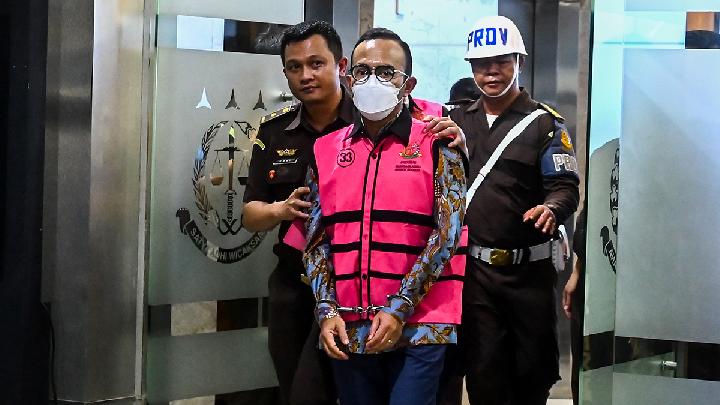
Corruption Cases: The Stories That Shook Indonesian Politics
Jakarta, turkeconom.com – Corruption Cases have played a major role in shaping public trust, political reform, and institutional accountability in Indonesia. Over the years, a series of high-profile scandals involving public officials, lawmakers, regional leaders, judges, and business figures has exposed how deeply corruption can affect governance, economic fairness, and democratic credibility. These cases have not only captured national attention but also triggered wider debates about law enforcement, political ethics, and the strength of anti-corruption institutions.
What makes these corruption cases so significant is that they often reveal more than individual wrongdoing. They uncover networks of influence, misuse of state funds, bribery systems, procurement manipulation, and abuse of power that can reach across ministries, legislatures, and local governments. In short, corruption is rarely a solo performance. It usually comes with a supporting cast, a budget, and deeply unfortunate paperwork.
Understanding Corruption Cases in Indonesia

In the Indonesian political context, corruption cases usually refer to legal investigations and prosecutions involving the misuse of public office for private gain. These may include bribery, embezzlement, procurement fraud, budget markups, illicit licensing arrangements, and political kickback schemes.
Common features of major corruption cases include:
- Abuse of authority by public officials
- Misuse of state or regional budgets
- Bribery related to permits, contracts, or legislation
- Involvement of political elites or party-linked actors
- Investigations led by anti-corruption bodies or prosecutors
- Public outrage and media scrutiny
- Legal trials and institutional fallout
- Wider impact on trust in government
These elements help explain why corruption cases are often treated as political turning points rather than isolated criminal events.
Why Corruption Cases Matter Politically
These cases matter because they affect more than the individuals charged.
Public Trust
When major officials are implicated in corruption, confidence in government institutions can decline sharply.
Democratic Legitimacy
Repeated scandals create doubts about whether public office is being used for service or personal enrichment.
Policy and Governance
Corruption can distort public spending, reduce service quality, and weaken fair decision-making.
Institutional Credibility
The handling of corruption cases tests the independence and seriousness of courts, prosecutors, police, and anti-corruption agencies.
This is why corruption cases often become national political stories, not merely legal matters.
Major Patterns Seen in Indonesian Corruption Cases
Although each scandal is different, several recurring patterns appear across the political system.
Bribery and Kickbacks
Officials may receive money or favors in exchange for permits, contracts, legal protection, or budget access.
Procurement Fraud
Public projects can be manipulated through inflated pricing, rigged tenders, or fake implementation.
Budget Misuse
State and local funds may be diverted away from public purposes into private or political channels.
Influence Networks
Some cases reveal coordination among politicians, bureaucrats, business actors, and intermediaries.
These patterns show how corruption can become systemic rather than merely opportunistic.
Corruption Cases Overview Table
Below is a concise summary of the main dimensions of Corruption Cases in Indonesian politics.
| Dimension | Main Role | Why It Matters |
|---|---|---|
| Bribery | Exchanges public decisions for private gain | Damages fairness and legality |
| Budget misuse | Diverts state resources | Harms public services and development |
| Procurement fraud | Manipulates public contracts | Increases waste and inefficiency |
| Political networks | Protects corrupt arrangements | Makes accountability harder |
| Law enforcement response | Investigates and prosecutes wrongdoing | Shapes public confidence in justice |
Together, these dimensions show why corruption cases can destabilize both governance and public confidence.
The Institutional Response
Indonesia’s response to corruption has often centered on legal enforcement and reform efforts.
Anti-Corruption Agencies
Dedicated institutions have played a central role in investigating and prosecuting major corruption cases.
Courts and Trials
Public trials can reveal how corruption operated and whether accountability is being taken seriously.
Civil Society and Media
Journalists, researchers, activists, and watchdog groups often help expose irregularities and keep public attention on major cases.
Reform Pressure
Large scandals frequently lead to calls for stronger transparency, procurement reform, political finance oversight, and bureaucratic accountability.
These responses matter because fighting corruption depends not only on punishment, but also on institutional resilience.
Why Corruption Cases Continue to Shape Indonesian Politics
Corruption Cases continue to shape Indonesian politics because they influence elections, public opinion, elite competition, and the legitimacy of state institutions. High-profile scandals often become symbols of broader governance problems, especially when they involve senior leaders or large-scale misuse of public resources. They also raise difficult questions about whether reform efforts are deep and lasting, or only strong enough to produce headlines.
They continue to matter because they affect:
- Trust in political leadership
- Confidence in legal institutions
- Use of public funds
- Quality of democratic governance
- Momentum for reform and accountability
This is why corruption cases remain one of the most consequential issues in Indonesia’s political landscape.
Final Thoughts
Corruption Cases are among the most powerful stories in Indonesian politics because they reveal how abuse of power can damage institutions, distort public policy, and weaken democratic trust. Their significance lies not only in the crimes themselves but in what they expose about the relationship between money, authority, and accountability. When such cases are investigated seriously, they can become moments of reform. When they are ignored or unevenly enforced, they deepen public cynicism.
The key takeaway is simple. Corruption Cases matter because they test whether political power in Indonesia serves the public interest or private advantage.
Explore our “”Politic“” category for more insightful content!
Don't forget to check out our previous article: Islamism: The Role of Islam in Indonesian Politics
