









Voter Turnout: Trends in Indonesian Electoral Participation
Jakarta, turkeconom.com – Voter Turnout is one of the clearest indicators of how actively citizens participate in a democracy, and in Indonesia it reflects the health, accessibility, and public confidence of the electoral process. As one of the world’s largest democracies, Indonesia offers a particularly important case for understanding turnout patterns because of its vast geography, diverse population, decentralized political environment, and evolving democratic institutions. Looking at turnout trends helps reveal not only how many people vote, but also what motivates participation or discourages it.
What makes Indonesian voter turnout especially interesting is that it sits at the intersection of civic culture, electoral administration, political competition, and public trust. Participation levels can be shaped by campaign intensity, candidate appeal, logistical access, youth engagement, institutional credibility, and broader social conditions. In short, turnout is not just a number. It is democracy showing up, sometimes enthusiastically, sometimes sleepily, but still very much on the attendance sheet.
What Voter Turnout Means
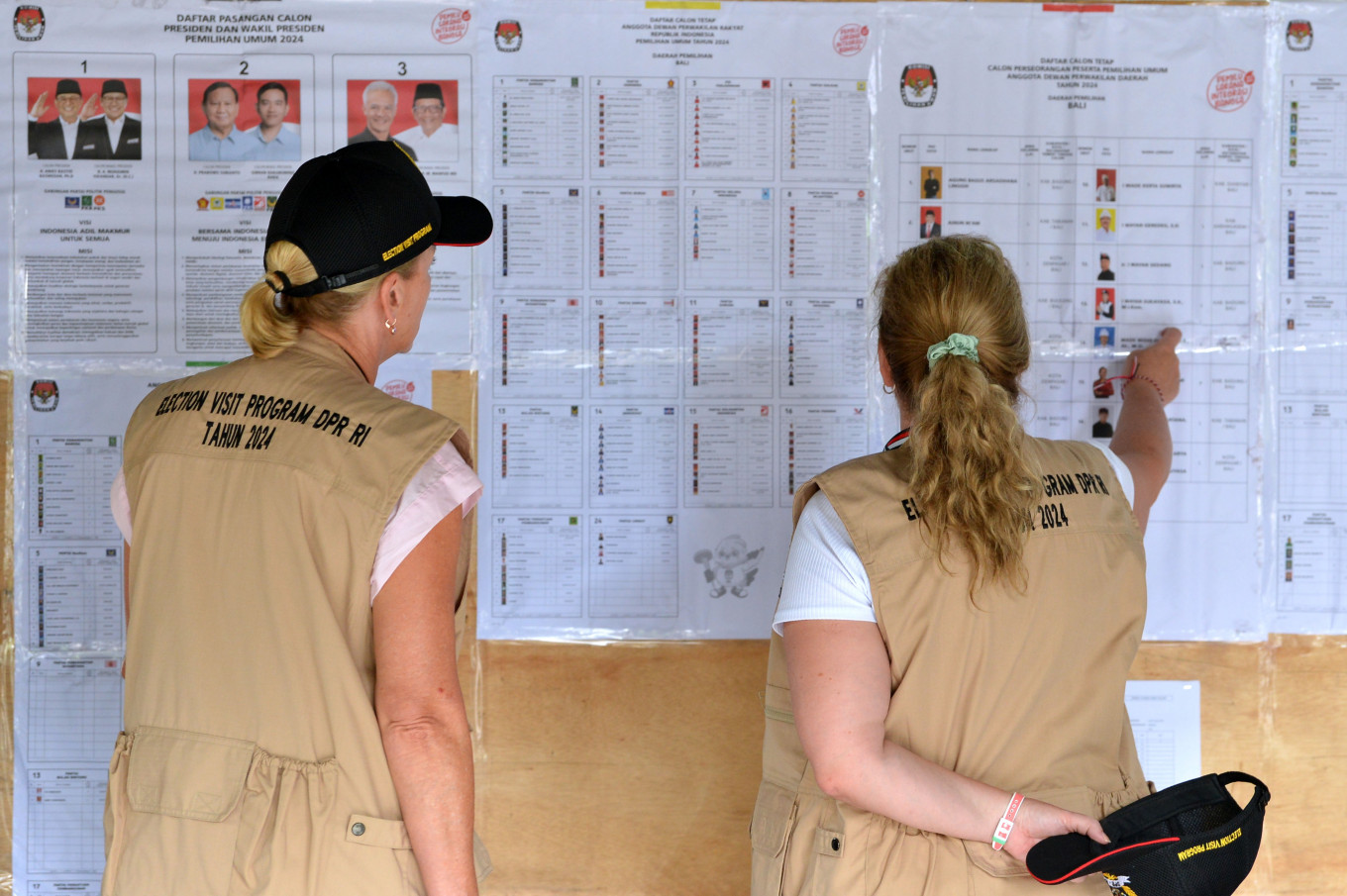
At its core, Voter Turnout refers to the percentage or number of eligible voters who cast ballots in an election. In the Indonesian context, turnout is often discussed in relation to presidential elections, legislative elections, and regional contests, each of which can show different participation dynamics.
Key dimensions of voter turnout include:
- Total participation among registered or eligible voters
- Differences between national and local elections
- Urban and rural variation
- Generational voting patterns
- Administrative accessibility and voter registration quality
- Impact of political competition and campaign mobilization
- Public trust in institutions and electoral fairness
- Influence of social and economic conditions
These dimensions make turnout a valuable measure of democratic engagement rather than just election-day activity.
Why Voter Turnout Matters in Indonesia
This matters because participation gives elections legitimacy and connects citizens to public decision-making.
Democratic Legitimacy
Higher turnout can strengthen the perceived legitimacy of elected leaders and institutions.
Representation
When more people vote, election outcomes are more likely to reflect a broader cross-section of society.
Political Inclusion
Turnout shows whether different groups are being effectively included in the democratic process.
Institutional Confidence
Participation levels can signal whether people believe elections are meaningful and trustworthy.
This is why voter turnout is not only a statistical outcome. It is also a civic and institutional signal.
Major Factors Affecting Voter Turnout in Indonesia
A wide range of political and practical factors can influence electoral participation.
Electoral Administration
Accurate voter lists, accessible polling places, and efficient procedures affect whether people can vote smoothly.
Geographic Complexity
Indonesia’s archipelagic geography creates logistical challenges that can influence turnout across regions.
Political Competition
Closely contested elections often generate stronger mobilization and greater public interest.
Voter Education
Public understanding of the voting process and the importance of elections can shape participation levels.
Youth Engagement
Young voters represent a major electoral bloc, and their level of interest and trust can significantly affect turnout.
Together, these factors help explain why turnout rises or falls across different elections.
Voter Turnout Overview Table
Below is a concise summary of the main dimensions of Voter Turnout in Indonesia.
| Dimension | Main Role | Why It Matters |
|---|---|---|
| Electoral access | Enables citizens to vote | Affects practical participation |
| Political competition | Increases public interest | Can raise turnout levels |
| Institutional trust | Encourages confidence in outcomes | Supports democratic legitimacy |
| Demographic engagement | Reflects participation across groups | Improves representativeness |
| Geographic conditions | Shapes logistical feasibility | Influences regional variation |
Together, these dimensions show why turnout trends must be understood in both political and administrative terms.
Broad Trends in Indonesian Electoral Participation
Indonesia has often recorded relatively strong participation in national elections compared with many democracies, though turnout has varied over time and across election types.
National Elections
Presidential and legislative elections usually attract the highest public attention and broader mobilization.
Regional Elections
Local contests can produce more mixed turnout depending on local competitiveness, public interest, and administrative quality.
Youth and First-Time Voters
Young and first-time voters increasingly shape electoral dynamics, especially in the digital information environment.
Mobilization and Media Influence
Campaign strategies, social media activity, and public narratives can influence enthusiasm and participation.
These patterns suggest that turnout is shaped by both long-term democratic development and immediate electoral conditions.
Challenges to Sustaining High Voter Turnout
Several issues can weaken participation even in a strong electoral democracy.
Administrative Errors
Problems in voter registration or polling logistics can discourage or prevent participation.
Political Disillusionment
If voters feel that elections do not produce meaningful change, motivation may decline.
Misinformation
Confusion or false information can affect confidence in the process and reduce participation.
Uneven Engagement
Some communities may remain less connected to political information or mobilization efforts.
These challenges show that turnout must be supported through both technical competence and public trust.
Why Voter Turnout Remains a Key Democratic Measure
Voter Turnout remains important because it helps assess how fully citizens are participating in Indonesia’s democratic life. High turnout does not solve every political problem, but it does indicate that people are willing and able to engage in choosing representatives and leaders. In a large and complex democracy like Indonesia, maintaining broad participation requires credible institutions, effective administration, inclusive outreach, and a political environment that makes voting feel meaningful.
It continues to matter because it helps:
- Measure democratic participation
- Strengthen electoral legitimacy
- Improve representation
- Reveal barriers to access
- Guide policy and reform efforts
This is why voter turnout remains one of the most important indicators in evaluating Indonesian elections.
Final Thoughts
Voter Turnout is a central measure of democratic participation in Indonesia, reflecting both the strength of electoral engagement and the accessibility of the voting process. By examining turnout trends, observers can better understand how citizens respond to political competition, institutional credibility, and practical voting conditions across national and local elections. In a country as large and diverse as Indonesia, turnout is more than a statistic. It is a living measure of whether democracy is reaching people where they are.
The key takeaway is simple. Voter Turnout matters because broad electoral participation strengthens legitimacy, representation, and the democratic connection between citizens and the state.
Explore our “”Politic“” category for more insightful content!
Don't forget to check out our previous article: Corruption Cases: The Stories That Shook Indonesian Politics
