








Democracy in Action: Fostering National Unity in Indonesia
Jakarta, turkeconom.com – Democracy in Action is more than a political phrase. In the context of Indonesia, it represents the living practice of participation, representation, dialogue, and shared responsibility across one of the most diverse nations in the world. With thousands of islands, hundreds of ethnic groups, multiple local languages, and a rich range of religious and cultural traditions, Indonesia depends on democratic values not only to govern fairly but also to maintain cohesion across its vast social landscape. Democracy, in this sense, is not merely a system of elections. It is a framework for holding diversity together through mutual respect, lawful institutions, and collective purpose.
What makes Democracy in Action especially meaningful in Indonesia is that unity cannot be sustained by force alone or by symbolic language without participation. National unity grows stronger when citizens feel heard, when institutions are trusted, and when differences are managed through dialogue rather than division. Indonesia’s democratic journey has involved both progress and challenge, but its continued development remains closely tied to the national ideal of Bhinneka Tunggal Ika—Unity in Diversity. In short, Democracy in Action is how a diverse nation turns pluralism from a potential fault line into a shared civic strength.
What Democracy in Action Means in Indonesia
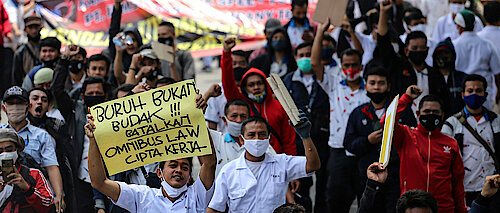
In the Indonesian context, Democracy in Action refers to the practical expression of democratic principles in everyday national life. It includes citizen participation, fair representation, public accountability, protection of rights, and peaceful cooperation among different communities.
Core elements of Democracy in Action in Indonesia include:
- Public participation in elections
- Respect for constitutional processes
- Representation across diverse communities
- Freedom of expression within legal boundaries
- Civic dialogue and public consultation
- Rule of law
- Decentralized governance and local involvement
- Commitment to national values and social harmony
These elements show that democracy in Indonesia is deeply connected to both governance and national integration.
Why Democracy Supports National Unity
Democracy plays an important role in holding a plural nation together.
Representation Across Diversity
Indonesia’s diversity requires a system where different groups can see themselves reflected in public life. Democratic representation helps reduce feelings of exclusion.
Peaceful Conflict Management
Differences in opinion, region, culture, and religion are inevitable. Democracy provides mechanisms for addressing those differences through institutions rather than unrest.
Shared Ownership of the Nation
When citizens participate in choosing leaders and shaping public policy, they are more likely to feel connected to the broader national project.
Trust in Institutions
Transparent and accountable institutions strengthen confidence that the state serves all citizens, not only a select few.
This is why Democracy in Action is closely tied to the long-term stability and unity of Indonesia.
Key Pillars of Democracy in Action for Indonesian Unity
To foster national unity effectively, democratic life must be supported by strong pillars.
Inclusive Participation
Citizens from different regions, backgrounds, and communities should have meaningful access to political participation.
Civic Education
A healthy democracy depends on citizens who understand their rights, responsibilities, and the importance of respectful public engagement.
Rule of Law
Laws must be applied fairly and consistently so that trust is maintained across social groups.
Responsible Freedom of Expression
Open discussion is essential, but it must be paired with responsibility, accuracy, and a rejection of incitement or hatred.
National Identity and Shared Values
Democracy works best when freedom is anchored in shared civic values, including Pancasila, constitutional principles, and mutual respect.
Together, these pillars help translate democratic ideals into practical national unity.
Democracy in Action Overview Table
Below is a concise summary of how Democracy in Action contributes to unity in Indonesia.
| Democratic Element | Role in Society | Contribution to National Unity |
|---|---|---|
| Elections and participation | Gives citizens a political voice | Encourages inclusion and legitimacy |
| Representation | Reflects social diversity | Reduces marginalization |
| Rule of law | Applies standards fairly | Builds public trust |
| Civic dialogue | Manages differences peacefully | Supports social harmony |
| Shared national values | Connects freedom to responsibility | Strengthens collective identity |
Together, these elements explain why Democracy in Action is so important to Indonesia’s unity.
Challenges to Democracy and Unity in Indonesia
Although democracy offers strong foundations, it also faces real pressures.
Disinformation and Polarization
False information and emotionally divisive narratives can weaken trust and inflame social tensions.
Unequal Participation
Not all communities have equal access to political influence, education, or digital spaces, which can create feelings of exclusion.
Identity-Based Tensions
When political competition becomes too closely tied to ethnic or religious identity, national solidarity can be strained.
Institutional Weakness
Democracy depends on credible institutions. When institutions are seen as inconsistent or ineffective, unity can weaken.
These challenges show that Democracy in Action requires active care, not passive admiration.
How Indonesia Can Strengthen Democracy in Action
Indonesia can continue to foster unity by reinforcing democratic practice in meaningful ways.
Strengthen Civic Literacy
Public understanding of democracy, media literacy, and constitutional values can help reduce manipulation and division.
Encourage Inclusive Governance
Policies and representation should continue to reflect Indonesia’s regional and cultural diversity.
Support Honest Public Dialogue
Constructive discourse, especially across differences, helps maintain national cohesion.
Protect Institutions and Accountability
Democratic institutions must remain transparent, responsive, and worthy of public trust.
Promote Unity in Diversity
National unity should not erase differences but organize them within a respectful democratic framework.
In practice, this means strengthening both freedom and responsibility at the same time.
Final Thoughts
Democracy in Action is essential to fostering national unity in Indonesia because it gives diverse communities a shared system for participation, representation, dialogue, and peaceful coexistence. In a nation shaped by immense cultural and geographic variety, democracy is not simply a method of selecting leaders. It is a way of building belonging across difference. When citizens trust institutions, participate responsibly, and uphold common values, democracy becomes a unifying force rather than a source of fragmentation.
The key takeaway is simple. Democracy in Action matters in Indonesia because it helps transform diversity into national strength through participation, fairness, and shared civic commitment.
Explore our “”Politic“” category for more insightful content!
Don't forget to check out our previous article: Climate Change Policies: Indonesia's Commitments and Strategies to Address the Climate Crisis
