






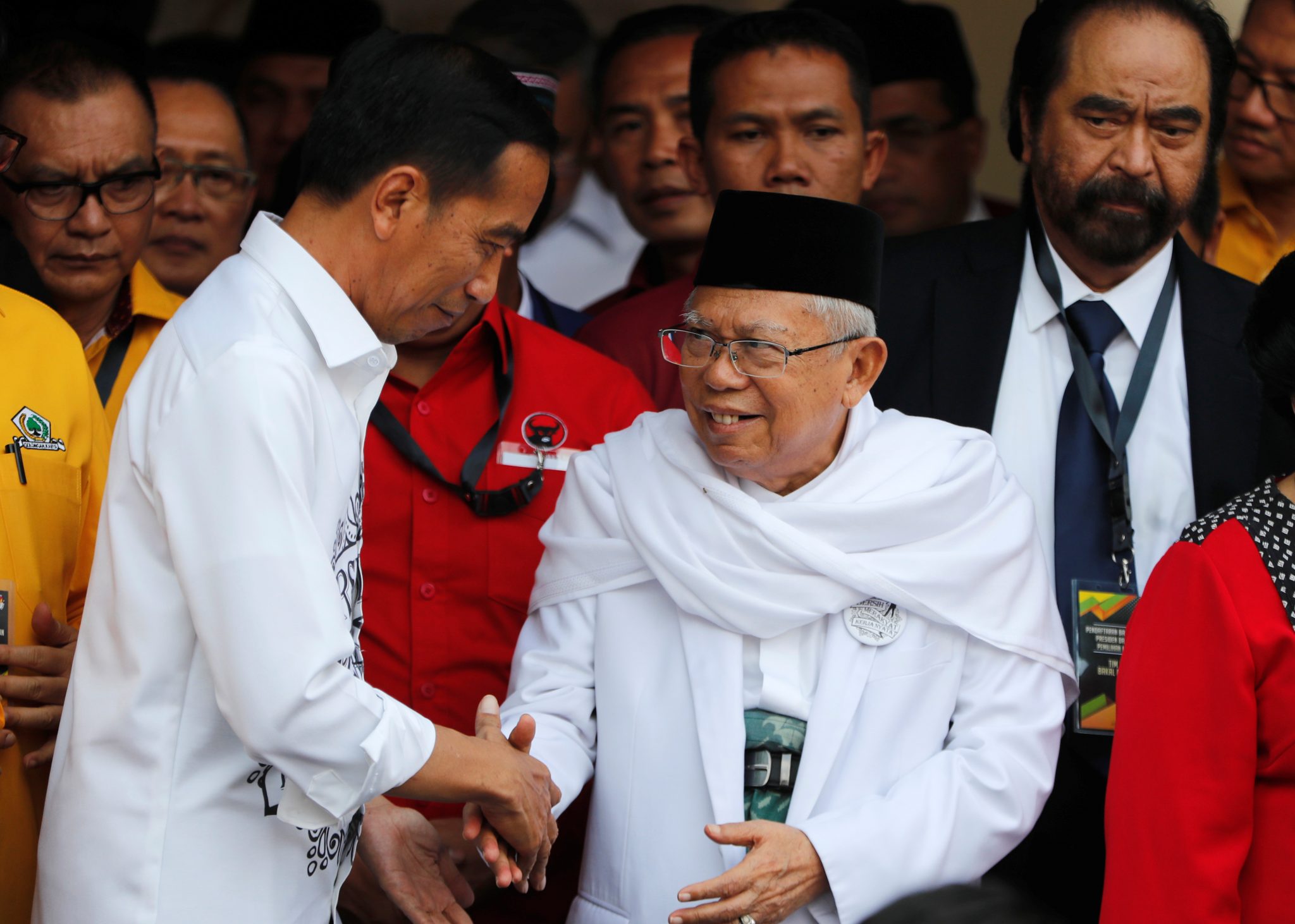
Identity Politics: How Identity Politics work in Indonesia
Jakarta, turkeconom.com – Identity Politics in Indonesia refers to the use of group identities such as religion, ethnicity, culture, and social affiliation in political messaging, mobilization, and contestation. In the Indonesian context, Identity Politics operates within a highly diverse society shaped by democracy, decentralization, regional differences, and the national philosophy of pluralism under Pancasila. Because Indonesia includes hundreds of ethnic groups, multiple recognized religions, and strong local identities, political appeals tied to belonging can become especially powerful. Politics, after all, becomes much more emotionally charged when it starts answering the question of who “we” are.
What makes Identity Politics in Indonesia particularly important is that it can function in two very different ways. On one hand, it can give underrepresented communities a voice and help articulate grievances, recognition, and rights. On the other hand, it can be used strategically by elites, parties, or movements to polarize voters, sharpen social divisions, and turn democratic competition into symbolic conflict between communities. In Indonesia, this tension appears repeatedly in electoral campaigns, local power struggles, religious debates, and public discourse shaped by both offline networks and digital media.
What Identity Politics Means in Indonesia

In Indonesia, Identity Politics refers to political behavior and discourse that organizes support, opposition, or policy demands around collective identities. These identities may include:
- Religion
- Ethnicity
- Regional origin
- Indigenous status
- Language
- Class background
- Cultural affiliation
- Majority or minority status
Rather than focusing only on ideology, policy, or economic interests, Identity Politics frames politics through shared identity and perceived group interests. In Indonesia, this often becomes visible when candidates or political actors emphasize religious legitimacy, ethnic solidarity, local belonging, or cultural authenticity in order to build trust and mobilize support.
Why Identity Politics Matters in Indonesia
Identity Politics matters in Indonesia because identity is deeply embedded in social life and can strongly influence political loyalty, public trust, and perceptions of legitimacy.
Religious Mobilization
Religion can become a powerful source of political legitimacy and voter mobilization, especially in moments of heightened polarization.
Ethnic and Regional Solidarity
Local identity often shapes political alliances, especially in decentralized regional politics and local elections.
Representation and Recognition
Marginalized groups may use Identity Politics to seek visibility, fairness, and protection within democratic institutions.
Electoral Strategy
Political elites may use identity-based narratives to simplify complex issues and rally loyal constituencies.
Social Polarization
When identity becomes the dominant political frame, it can deepen divisions and reduce space for civic compromise.
These dynamics explain why Identity Politics remains a recurring force in Indonesian democracy.
Core Characteristics of Identity Politics in Indonesia
Its role becomes clearer when its defining traits are viewed together.
| Characteristic | Description | Why It Matters |
|---|---|---|
| Religious framing | Political messages tied to faith and moral legitimacy | Can strongly influence public sentiment |
| Ethnic or local appeals | Candidates emphasize shared background or regional ties | Builds trust and solidarity among voters |
| Symbolic language | Politics is framed through belonging, authenticity, and values | Makes campaigns more emotionally resonant |
| Mobilization networks | Community organizations, religious groups, and local leaders spread messages | Strengthens political reach |
| Polarizing potential | Identity-based narratives can divide citizens into opposing camps | Risks social tension and democratic fragmentation |
Together, these characteristics show why identity can be both politically effective and socially sensitive in Indonesia.
How Identity Politics Works in Practice in Indonesia
Identity Politics in Indonesia often works through a combination of political messaging, social networks, institutional competition, and media amplification.
It commonly appears through:
- Campaigns that emphasize a candidate’s religious identity
- Appeals to indigenous, ethnic, or regional belonging
- Public debates over moral authority and cultural authenticity
- Mobilization through mosques, community organizations, and local leaders
- Social media narratives that intensify “us versus them” thinking
- Electoral framing that links identity with trustworthiness or legitimacy
In practice, this means identity is not always the only factor in Indonesian politics, but it often becomes a shortcut through which voters interpret leadership, morality, loyalty, and social interest.
Why It Remains Important
Identity Politics remains important in Indonesia because democratic openness allows many forms of political expression, including those tied to community identity. At the same time, social inequality, uneven development, religious sensitivity, and digital misinformation can make identity-based appeals especially potent.
It continues to stand out because it can:
- Increase political participation among identity-based communities
- Strengthen representation claims
- Shape campaign strategy and voter behavior
- Intensify polarization during elections
- Influence public discourse beyond formal politics
This is why understanding Identity Politics is essential for understanding how Indonesian democracy functions in practice.
Final Thoughts
Identity Politics in Indonesia works by linking political competition to religion, ethnicity, regional belonging, and other shared markers of identity within a diverse democratic society. Its power comes from the fact that identity is not merely symbolic. It shapes trust, solidarity, legitimacy, and political emotion. While it can support recognition and representation, it can also be used to polarize and divide when exploited for short-term political gain.
The key takeaway is simple. Identity Politics in Indonesia is powerful because it turns social identity into political energy, for better or for worse.
Explore our “”Politic“” category for more insightful content!
Don't forget to check out our previous article: Patriotism Movement: Cultivating Indonesia Pride Among Citizens
