Understanding Political Mobilization
1. Definition and Importance
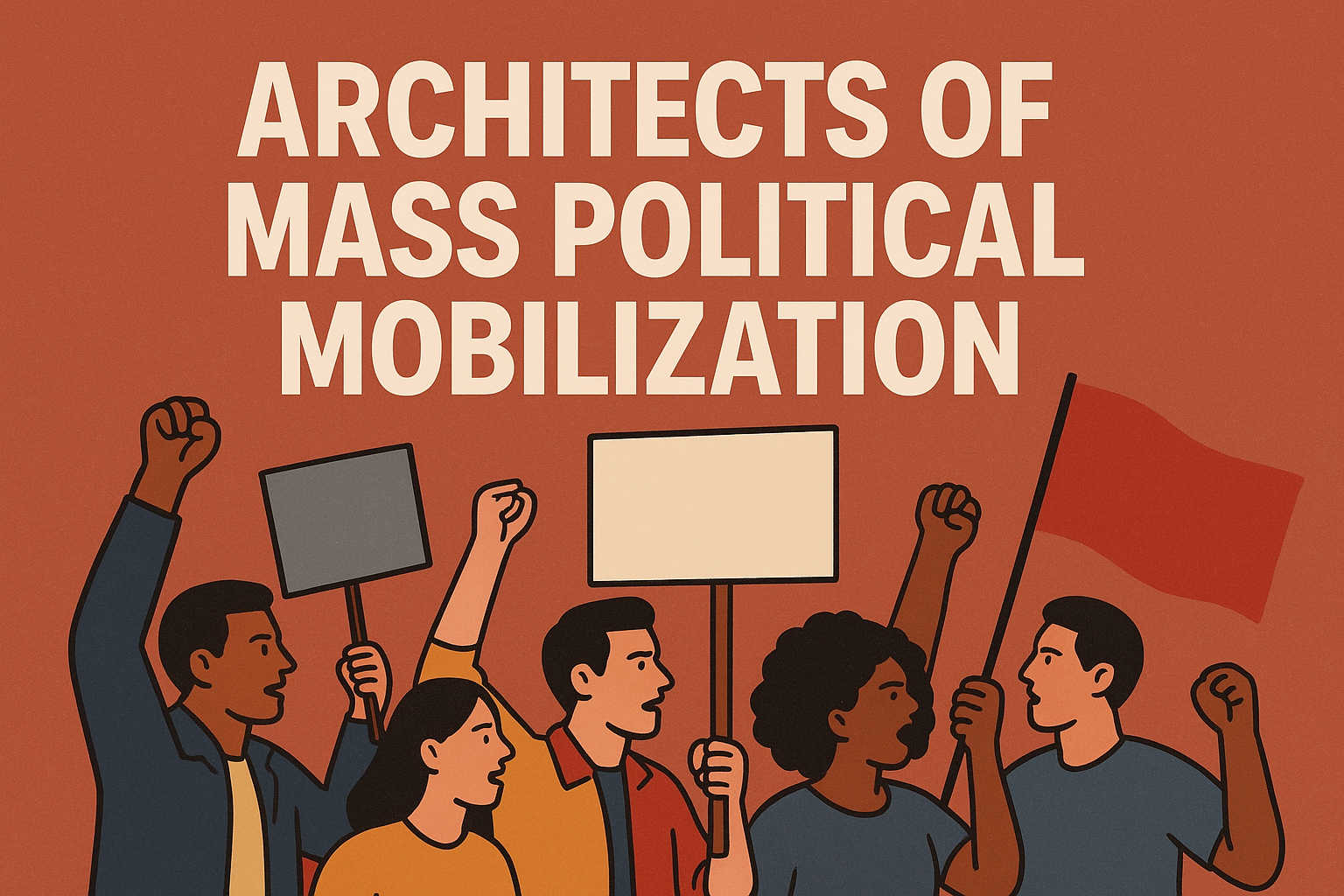
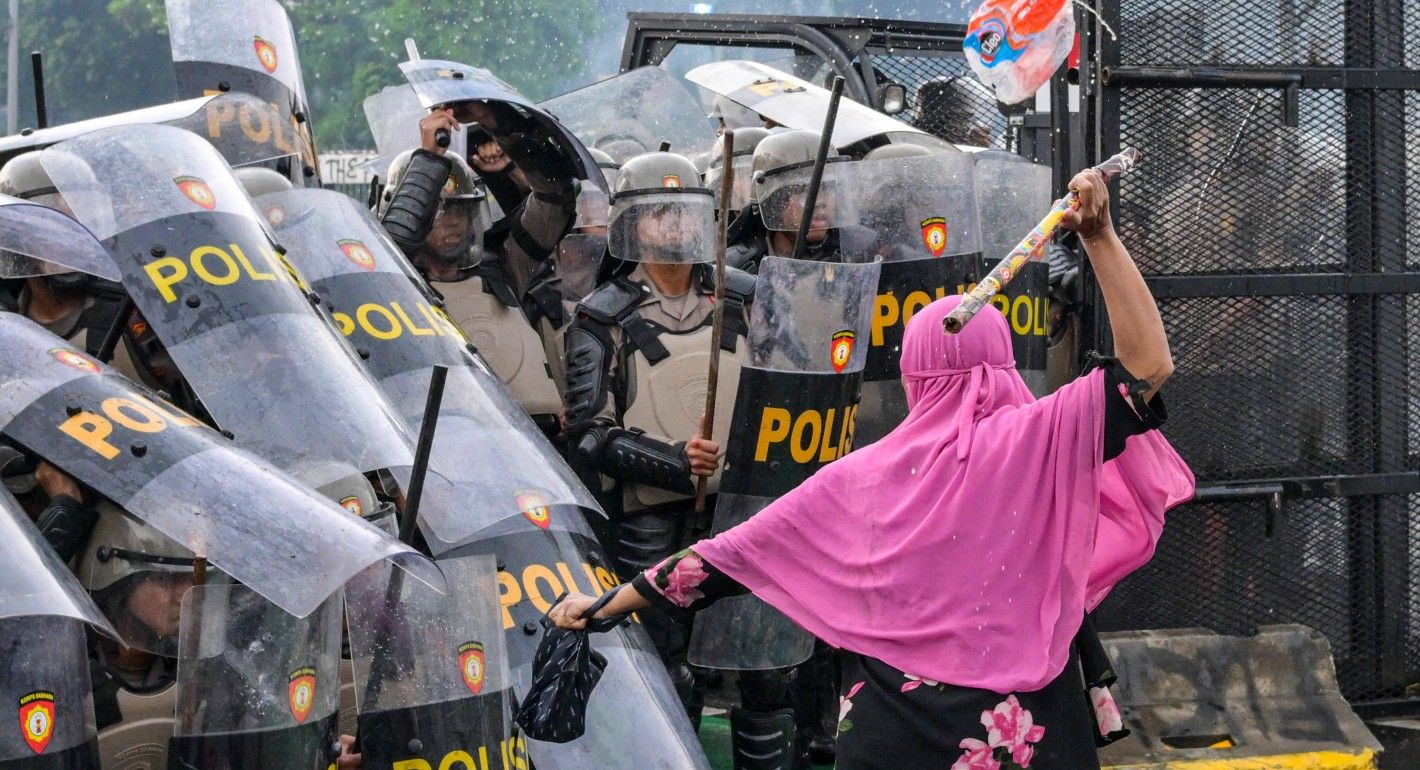
Political mobilization refers to the process of encouraging individuals and groups to participate in political activities, such as voting, campaigning, and advocacy. It is essential for ensuring that citizens’ voices are heard and represented in the political arena. In Indonesia, where voter turnout can fluctuate significantly, effective mobilization strategies are vital for fostering an engaged electorate.
2. Cultural Context
Indonesia is characterized by its rich cultural diversity, with over 300 ethnic groups and a multitude of languages and religions. Understanding this diversity is crucial for developing effective mobilization strategies. Political messages and campaigns must resonate with various communities to inspire participation and build trust.
Strategies for Engaging Indonesian Voters
1. Community-Based Outreach
Engaging voters at the community level is a powerful strategy for political mobilization. This can be achieved through:
- Local Events: Organizing town hall meetings, cultural festivals, and community gatherings allows political parties and candidates to connect with voters directly. These events can help build relationships and foster a sense of belonging among constituents.
- Grassroots Organizations: Collaborating with local NGOs and community groups can enhance outreach efforts. These organizations often have established trust within their communities and can effectively disseminate information and mobilize voters.
2. Utilizing Technology and Social Media
Indonesia has one of the highest rates of social media usage in the world. Leveraging technology can significantly enhance political mobilization efforts:
- Social Media Campaigns: Utilizing platforms like Facebook, Twitter, and Instagram to share campaign messages, engage with voters, and mobilize support is essential. Creative content, such as videos and infographics, can capture attention and encourage sharing among users.
- Mobile Applications: Developing apps that provide information about candidates, voting procedures, and electoral issues can empower voters. These tools can help simplify the voting process and increase voter confidence.
3. Targeted Messaging
Crafting messages that resonate with specific demographic groups is crucial for effective political mobilization:
- Cultural Sensitivity: Political messages should reflect the values, beliefs, and concerns of different ethnic and religious groups. Tailoring content to address local issues can foster a deeper connection with voters.
- Youth Engagement: With a significant portion of Indonesia’s population being young, targeting this demographic through relevant messaging and platforms is vital. Issues such as education, employment, and climate change SITUSTOTO can mobilize younger voters who are passionate about these topics.
4. Voter Education and Awareness Campaigns
Educating voters about their rights, the electoral process, and the importance of participation is essential for increasing turnout:
- Workshops and Seminars: Organizing educational sessions in schools, universities, and community centers can inform citizens about the voting process and the significance of their vote.
- Information Dissemination: Utilizing traditional media, such as radio and television, alongside digital platforms, can reach a broader audience. Informative campaigns can clarify voting procedures and dispel myths surrounding elections.
5. Building Coalitions and Alliances
Forming alliances with other political parties, civil society organizations, and advocacy groups can strengthen mobilization efforts:
- Collaborative Campaigns: Joint initiatives can amplify messages and resources, reaching a wider audience. Collaborating on common issues can unite various groups and create a more substantial impact.
- Shared Resources: Pooling resources for outreach, events, and educational campaigns can enhance effectiveness and reduce costs.
Conclusion
Political mobilization in Indonesia requires a multifaceted approach that considers the country’s cultural diversity, technological landscape, and the unique needs of its citizens. By employing community-based outreach, leveraging technology, crafting targeted messages, promoting voter education, and building coalitions, political entities can effectively engage Indonesian voters.
As Indonesia continues to evolve as a democratic nation, the importance of effective political mobilization cannot be overstated. Engaging voters not only enhances electoral participation but also strengthens the democratic process, ensuring that all voices are heard and represented in the political arena.
Explore our “”Politic“” category for more insightful content!
Don't forget to check out our previous article: Grassroots Politics: Mobilizing Communities for Local Impact