Religious pluralism is a defining characteristic of Indonesia, the world’s largest archipelago and home to a diverse tapestry of faiths and cultures. With over 300 ethnic groups and a multitude of religions, Indonesia exemplifies how various faith communities can coexist, celebrate their differences, and foster mutual respect. In this article, we will explore real stories that highlight the essence of religious pluralism in Indonesia, along with fresh tips for managing diversity in faith communities.
Understanding Religious Pluralism in Indonesia
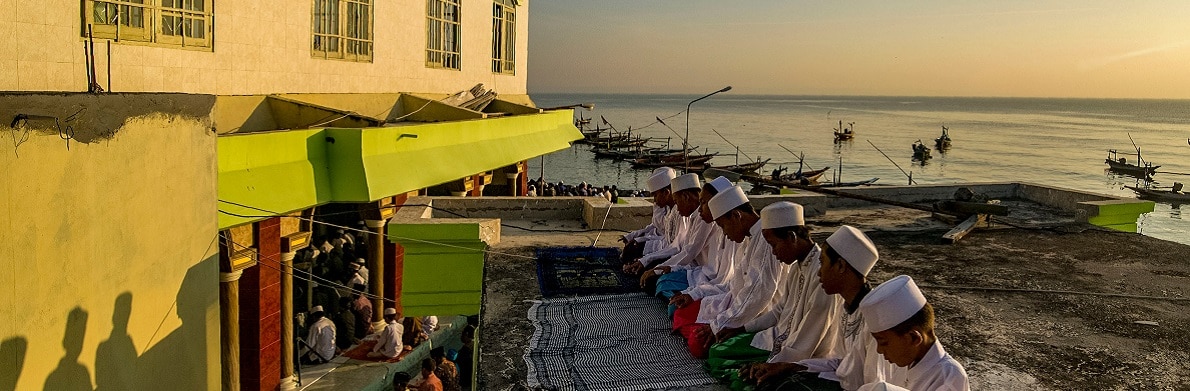
Religious pluralism refers to the acceptance and coexistence of multiple religious beliefs and practices within a society. In Indonesia, this concept is enshrined in the national motto, “Bhinneka Tunggal Ika,” which translates to “Unity in Diversity.” The country officially recognizes six religions: Islam, Protestantism, Catholicism, Hinduism, Buddhism, and Confucianism. This recognition reflects Indonesia’s commitment to fostering an inclusive environment where different faiths can thrive.
The Role of Religion in Indonesian Society
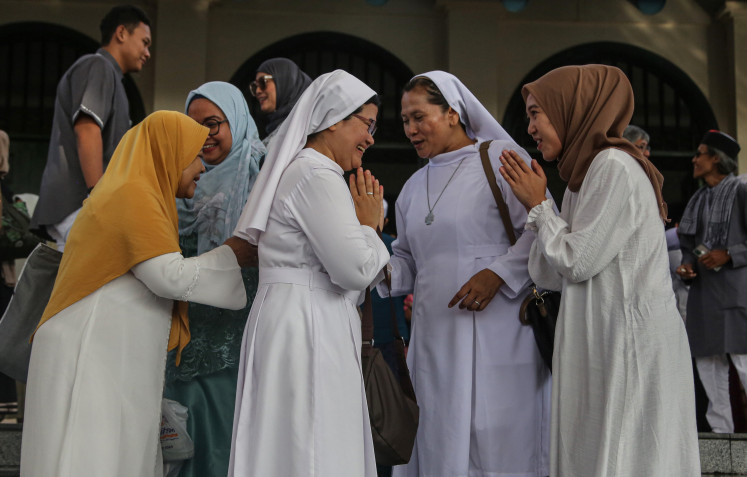
Religion plays a significant role in the daily lives of Indonesians, influencing cultural practices, social norms, and community interactions. Despite the majority of the population being Muslim, Indonesia is characterized by a rich diversity of beliefs and rituals. This pluralism is evident in various aspects of life, including festivals, rituals, and community events, where people from different faiths come together to celebrate their shared humanity.
Real Stories of Religious Pluralism
1. Interfaith Festivals
One of the most vibrant expressions of religious pluralism in Indonesia is the celebration of interfaith festivals. For instance, the Bali Arts Festival showcases performances, art, and cultural expressions from various religious communities. This event not only highlights the island’s Hindu culture but also includes performances from Buddhist, Christian, and indigenous traditions, fostering a spirit of unity and collaboration.
2. Community Initiatives
In cities like Yogyakarta, diverse religious groups often collaborate on community service projects. An example is the Interfaith Dialogue Forum, where members from different faiths come together to address social issues, such as poverty and education. These initiatives strengthen bonds between communities, promote understanding, and create a sense of shared purpose.
3. Peacebuilding Efforts
In regions affected by religious tensions, such as Poso in Central Sulawesi, grassroots peacebuilding efforts have emerged. Local leaders from different faiths have worked together to mediate conflicts and promote dialogue. Their efforts have led to the establishment of community centers that serve as safe spaces for interfaith discussions, allowing individuals to share their experiences and build trust.
Fresh Tips for Managing Diversity in Faith Communities
1. Promote Interfaith Dialogue
Encouraging open conversations NANASTOTO among different faith groups is essential for fostering understanding and respect. Organize interfaith dialogue sessions where community members can share their beliefs, practices, and experiences. This can help dispel misconceptions and build bridges between diverse communities.
2. Celebrate Shared Values
Focus on the values that unite different faiths, such as compassion, kindness, and community service. Organize joint community service projects that emphasize these shared values, allowing individuals from various backgrounds to work together for a common cause.
3. Educate on Religious Diversity
Implement educational programs in schools and community centers that teach about the various religions practiced in Indonesia. Providing accurate information about different faiths can promote tolerance and respect among individuals from diverse backgrounds.
4. Create Safe Spaces for Dialogue
Establish safe spaces where individuals can express their beliefs and concerns without fear of judgment or discrimination. These spaces can facilitate open discussions, allowing community members to explore their differences and find common ground.
5. Involve Youth in Interfaith Activities
Engage young people in interfaith initiatives to foster a culture of acceptance from an early age. Organize youth camps, workshops, and cultural exchanges that encourage collaboration and understanding among different faith communities.
6. Utilize Social Media for Awareness
Leverage social media platforms to share stories of interfaith cooperation and success. Highlight positive examples of religious pluralism, showcasing how diverse communities can work together to create a harmonious society.
Conclusion
Religious pluralism is a vital aspect of Indonesia’s identity, reflecting the nation’s commitment to embracing diversity and fostering mutual respect among its various faith communities. Through real stories of interfaith collaboration and understanding, we see the power of unity in overcoming challenges and building a harmonious society.
By implementing fresh tips for managing diversity in faith communities, we can continue to promote a culture of tolerance and acceptance. In a world that often highlights divisions, Indonesia stands as a testament to the beauty of religious pluralism, reminding us that unity can flourish even amidst diversity.