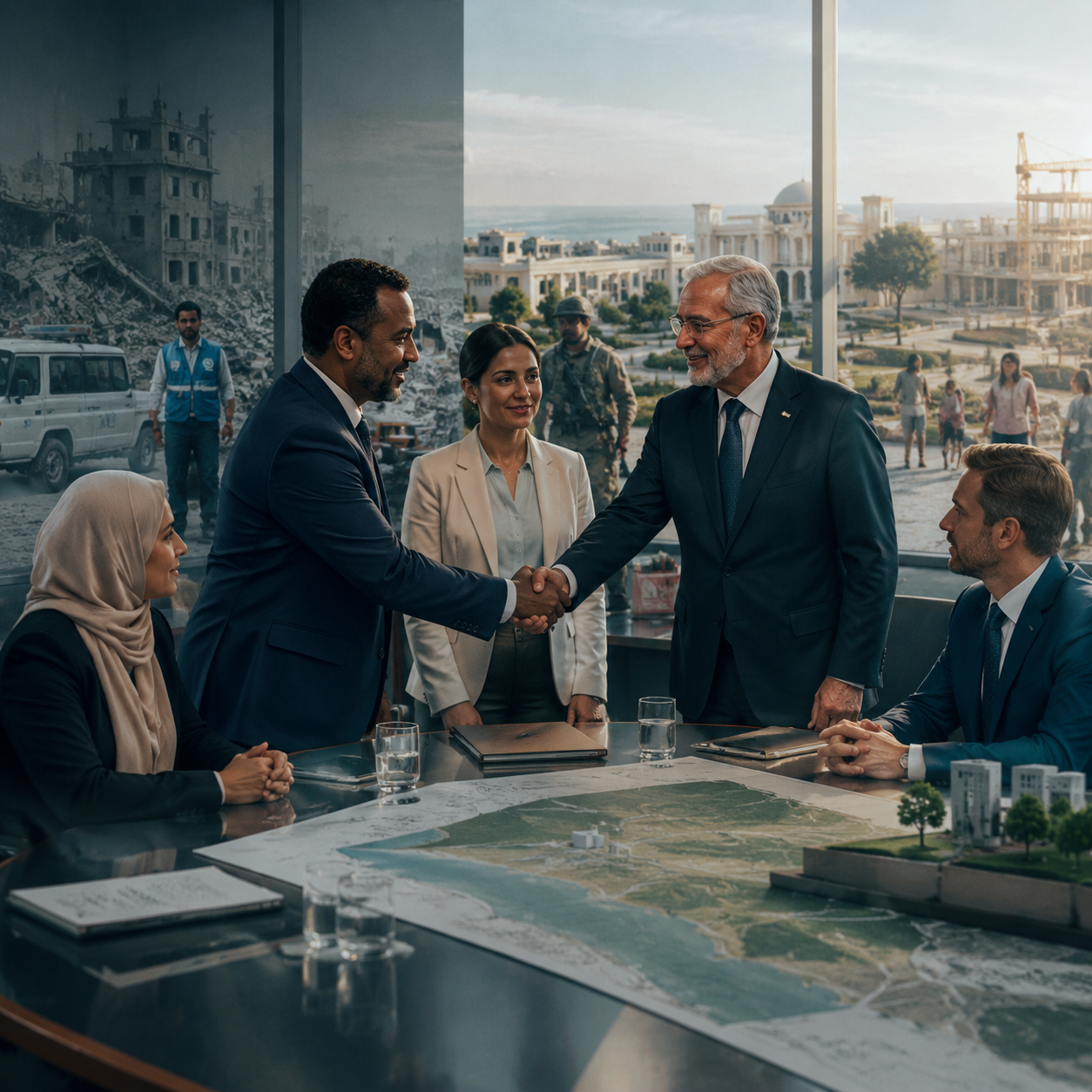
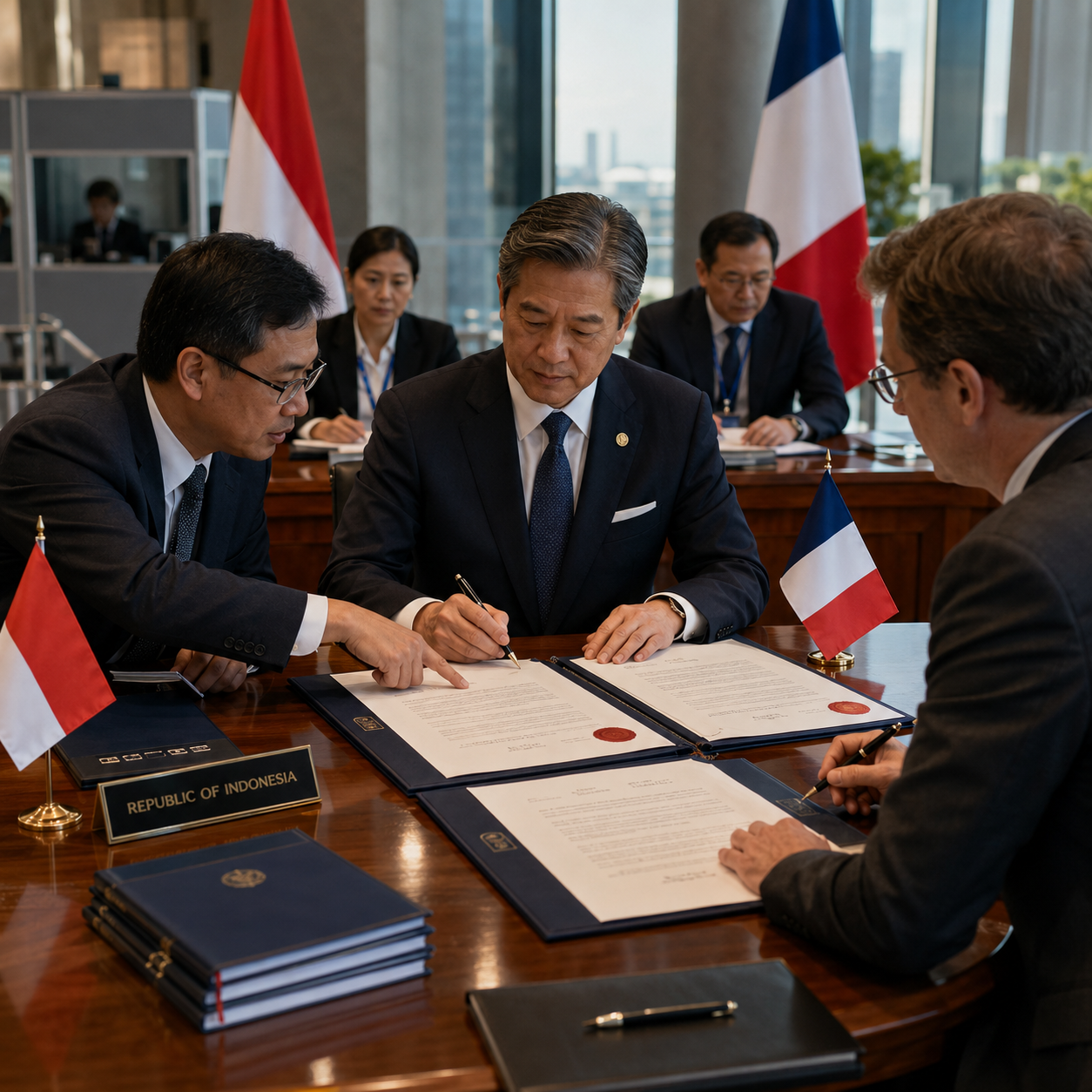
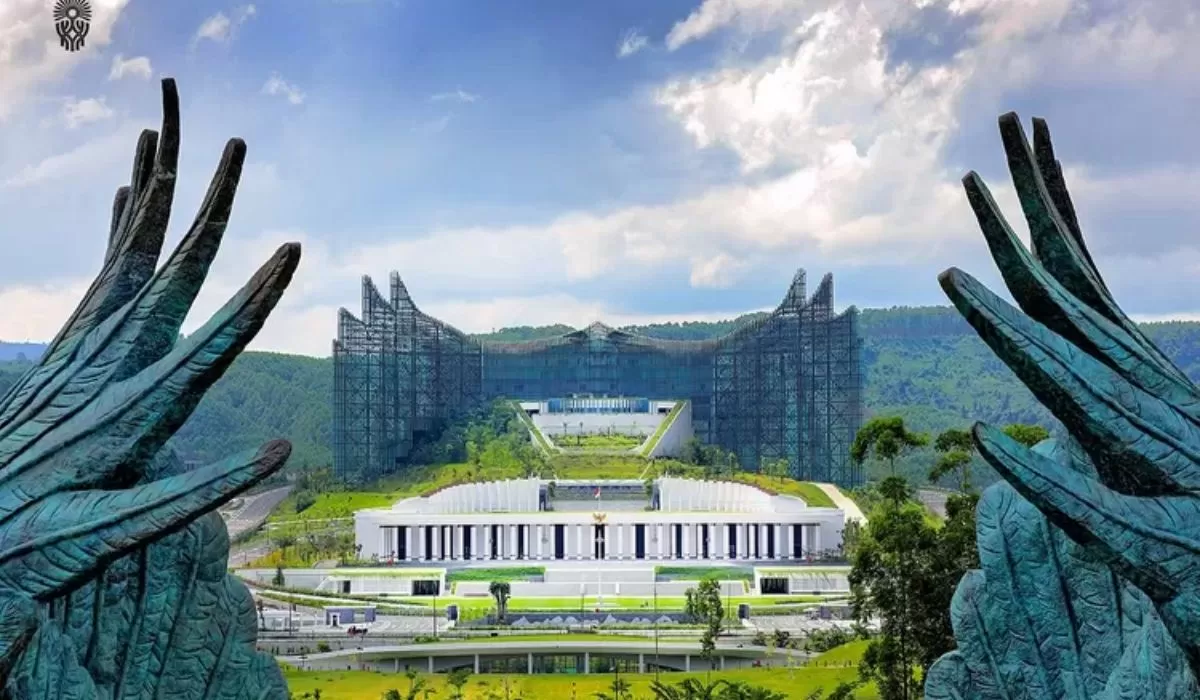
The relocation of Indonesia’s capital from Jakarta to a new site in East Kalimantan, known as Ibu Kota Negara (IKN), has sparked significant discussion and interest both domestically and internationally. This ambitious project aims to address the challenges faced by Jakarta, such as overpopulation, traffic congestion, and environmental issues. In this article, I’ll share my honest take on the Ibu Kota Negara project, its implications, and some insider tips for understanding this monumental change.
What is Ibu Kota Negara?
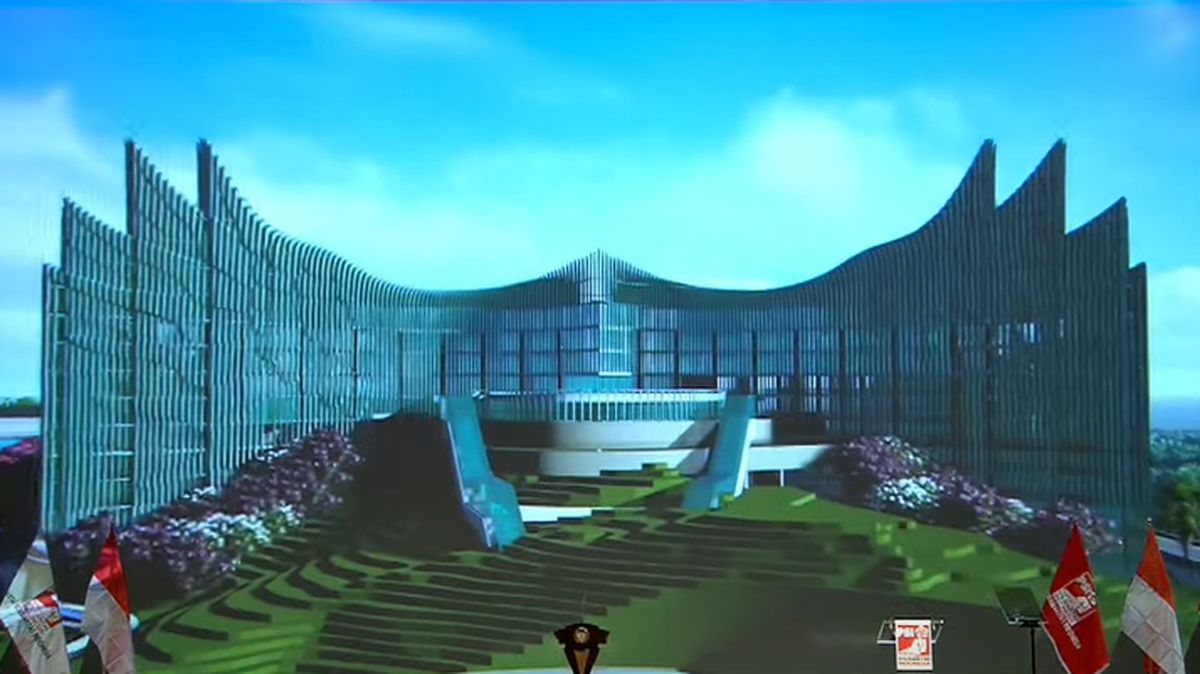
Ibu Kota Negara translates to “Capital City” in Indonesian. The decision to move the capital was officially announced in 2019 by President Joko Widodo, with the goal of creating a more sustainable and equitable urban environment. The new capital city will be located near the town of Penajam Paser Utara and Kutai Kartanegara in East Kalimantan, on the island of Borneo.
Reasons for the Move
- Overcrowding in Jakarta: Jakarta is one of the most densely populated cities in the world, with over 10 million residents in the city proper and more than 30 million in the greater metropolitan area. This has led to severe traffic congestion and inadequate infrastructure.
- Environmental Concerns: Jakarta is sinking at an alarming rate due to excessive groundwater extraction, combined with rising sea levels. Moving the capital to a less vulnerable location is seen as a proactive measure.
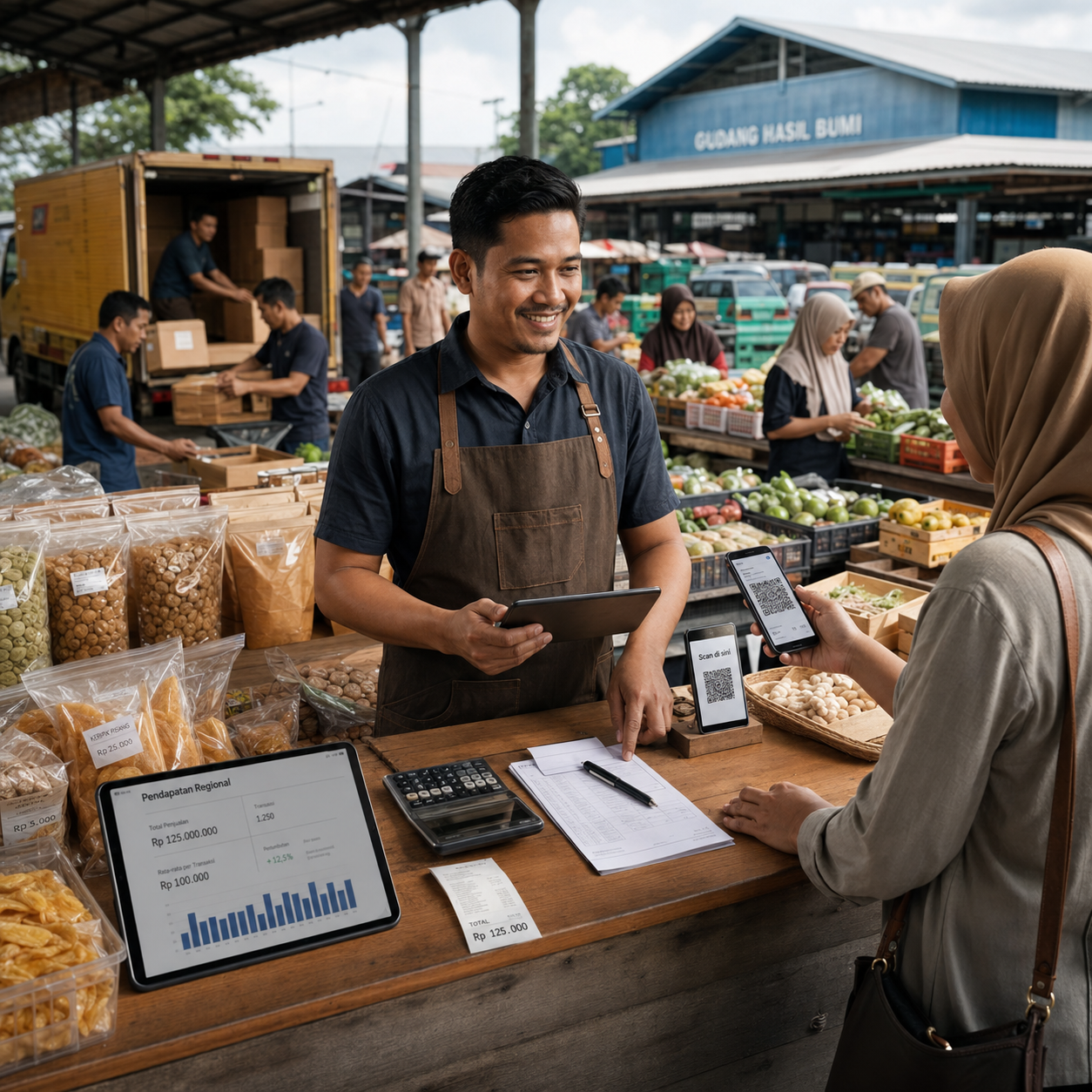
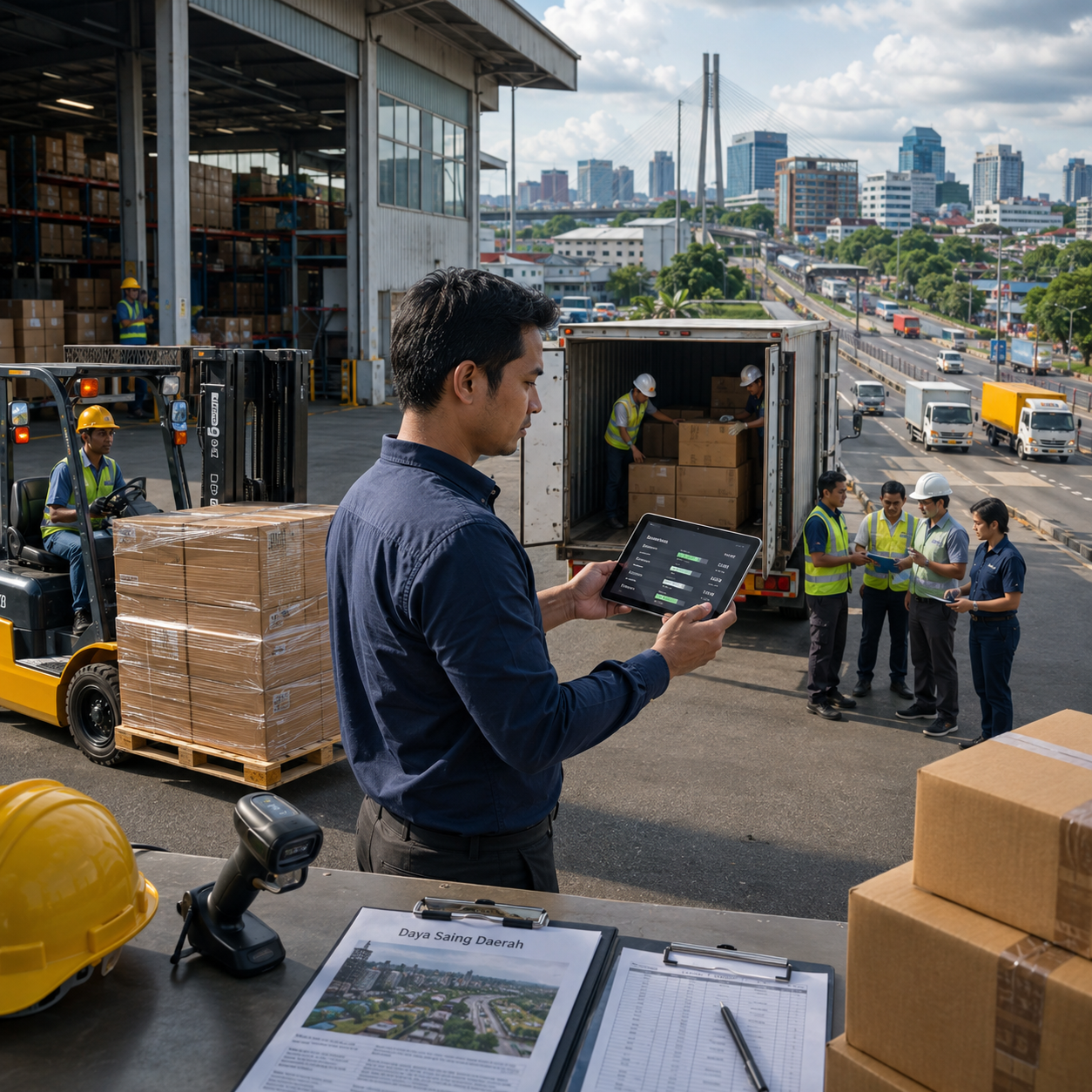
- Economic Development: The relocation aims to promote economic growth in other regions of Indonesia, reducing the concentration of development in Java, the country’s most populous island.
- Sustainability Goals: The new capital is envisioned to be a smart and sustainable city, incorporating green spaces, advanced technology, and environmentally friendly infrastructure.
My Honest Take on Ibu Kota Negara
While the Ibu Kota Negara project holds promise, it also raises several concerns and challenges that need to be addressed:
Pros
- Balanced Development: The move presents an opportunity for more balanced economic development across Indonesia, potentially reducing the disparities between Java and other regions.
- Innovative Urban Planning: The chance to design a new city from scratch allows for innovative urban planning that prioritizes sustainability, public transport, and green spaces.
- Cultural Integration: The new capital can serve as a melting pot of Indonesia’s diverse cultures, fostering a sense of national identity and unity.
Cons
- Cost and Funding: The estimated cost of relocating the capital is substantial, with projections in the tens of billions of dollars. Securing funding and managing costs effectively will be crucial.
- Displacement of Communities: The construction of the new capital may lead to the displacement of local communities and impact their livelihoods, raising ethical concerns about land use and compensation.
- Environmental Impact: While the move aims to alleviate environmental issues in Jakarta, the construction and development in East Kalimantan could pose risks to the local ecosystem, including deforestation and habitat loss.
- Implementation Challenges: Building a new capital city from the ground up is a complex undertaking that requires careful planning, coordination, and execution. Potential bureaucratic hurdles and political challenges may arise.
Insider Tips for Understanding Ibu Kota Negara
To gain a deeper understanding of the Ibu Kota Negara project and its implications, consider the following tips:
1. Stay Informed
Keep up with news and updates regarding the project from reliable sources. Follow government announcements, and read articles from reputable media outlets to stay informed about progress and challenges.
2. Explore Local Perspectives
Engage with local communities and stakeholders in East Kalimantan. Understanding their views and concerns can provide valuable insights into the social implications of the capital relocation.
3. Learn About Urban Planning
Familiarize yourself with concepts in urban planning and sustainable development. This knowledge will help you better understand the goals and challenges of creating a new capital city.
4. Consider the Economic Impact
Research the potential economic benefits and drawbacks of relocating the capital. Analyze how this move could affect job creation, investment opportunities, and regional development.
5. Be Mindful of Cultural Sensitivity
Recognize the cultural diversity of Indonesia. The new capital should respect and celebrate the traditions and customs of the various ethnic groups in the region.
6. Follow Environmental Discussions
Pay attention to discussions surrounding environmental sustainability and conservation efforts in East Kalimantan. Understanding the ecological impact of the project is crucial for its long-term success.
Conclusion
The Ibu Kota Negara project represents a bold step for Indonesia as it seeks to address the challenges of urbanization and environmental degradation. While the move holds great potential for balanced development and innovative urban planning, it also comes with significant challenges that must be carefully managed. By staying informed and considering the perspectives of various stakeholders, we can better understand the implications of this monumental change. As Indonesia embarks on this new chapter, the world will be watching closely to see how the vision for Ibu Kota Negara unfolds.