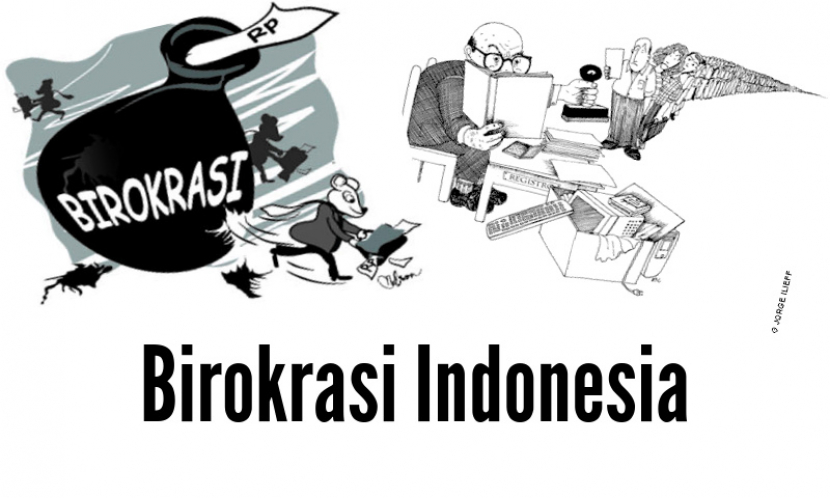
In Indonesia, the concept of birokrasi (bureaucracy) plays a crucial role in the functioning of government and public administration. As a country with a rich cultural diversity and a complex political landscape, the bureaucratic structure in Indonesia has undergone significant changes over the years. In this article, I will share my honest take on the bureaucratic structure in Indonesia, the challenges it faces, and the ongoing reforms aimed at improving efficiency and transparency.
Understanding Birokrasi in Indonesia

Birokrasi in Indonesia refers to the administrative system that implements government policies and manages public services. This system is characterized by a hierarchical structure, where decisions flow from the top down, and various government agencies are responsible for specific functions. The Indonesian bureaucracy has historically been influenced by colonial legacies, political changes, and socio-economic factors.
Key Features of Indonesian Birokrasi
- Hierarchical Structure: The bureaucratic system in Indonesia is organized in a top-down manner, with clear lines of authority and responsibility. This structure can lead to slow decision-making processes and inefficiencies.
- Complex Regulations: The bureaucracy is often burdened with complex regulations and procedures that can hinder effective governance. These regulations can create barriers for citizens seeking to access services.
- Diversity of Functions: Indonesian bureaucracy encompasses various levels of government, including national, provincial, and local administrations. Each level has distinct roles and responsibilities, which can lead to overlapping functions and confusion.
Challenges Facing Birokrasi
Despite its essential role in governance, the bureaucratic system in Indonesia faces several challenges:
1. Corruption
Corruption remains a significant issue within the Indonesian bureaucracy. The prevalence of bribery and unethical practices undermines public trust and hampers effective service delivery. Efforts to combat corruption have been ongoing, but it continues to be a pervasive problem.
2. Inefficiency
The hierarchical nature of the bureaucracy often results in slow decision-making and bureaucratic red tape. Citizens frequently encounter delays when seeking permits or accessing public services, leading to frustration and dissatisfaction.
3. Lack of Accountability
Accountability within the bureaucracy is often lacking, with insufficient mechanisms in place to hold officials responsible for their actions. This lack of accountability can perpetuate corruption and inefficiency.
4. Limited Capacity
Many government agencies struggle with limited resources and capacity, impacting their ability to deliver services effectively. Insufficient training and support for personnel can hinder performance and innovation.
Ongoing Reforms in Birokrasi
Recognizing the challenges within the bureaucratic system, the Indonesian government has initiated several reforms aimed at improving efficiency, transparency, and accountability:
1. E-Government Initiatives
The implementation of e-government initiatives has been a significant step toward modernizing the bureaucracy. By leveraging technology, the government aims to streamline processes, reduce paperwork, and enhance service delivery. Online platforms for permits, licenses, and public services are becoming increasingly common.
2. Anti-Corruption Measures
Efforts to combat corruption have included the establishment of the Corruption Eradication Commission (KPK) and various legislative reforms. These measures aim to enhance transparency, strengthen oversight, and promote ethical behavior within the bureaucracy.
3. Capacity Building
Investing in training and capacity building for civil servants is crucial for improving the effectiveness of the bureaucracy. Programs focused on professional development, leadership skills, and public service ethics are being implemented to empower government officials.
4. Decentralization
Decentralization efforts aim to transfer authority and resources from the central government to local governments. This shift is intended to enhance local governance and improve service delivery by allowing decisions to be made closer to the communities they affect.
My Honest Take
As I reflect on the state of birokrasi in Indonesia, it is clear that while significant challenges remain, there is also a genuine commitment to reform and improvement. The ongoing efforts to modernize the bureaucracy, combat corruption, and enhance accountability are encouraging signs of progress. However, these reforms require sustained political will, public support, and active participation from civil society to be truly effective.
The complexity and diversity of Indonesia’s bureaucratic landscape mean that reforms must be tailored to local contexts and needs. Engaging citizens in the decision-making process and ensuring their voices are heard will be crucial in building trust and fostering a more responsive and accountable bureaucracy.
In conclusion, the journey toward an efficient and transparent bureaucratic system in Indonesia is ongoing. By addressing the challenges head-on and embracing innovative solutions, the government can create a birokrasi that serves the people effectively and contributes to the nation’s development.