Poverty alleviation is a critical issue in Indonesia, a country with a diverse population and vast economic disparities. Despite significant progress over the years, many Indonesians continue to face challenges related to poverty, access to education, healthcare, and employment opportunities. In this article, we will explore various poverty alleviation programs in Indonesia, their social impact, and share real stories that highlight the successes and lessons learned from these initiatives.
Understanding Poverty in Indonesia
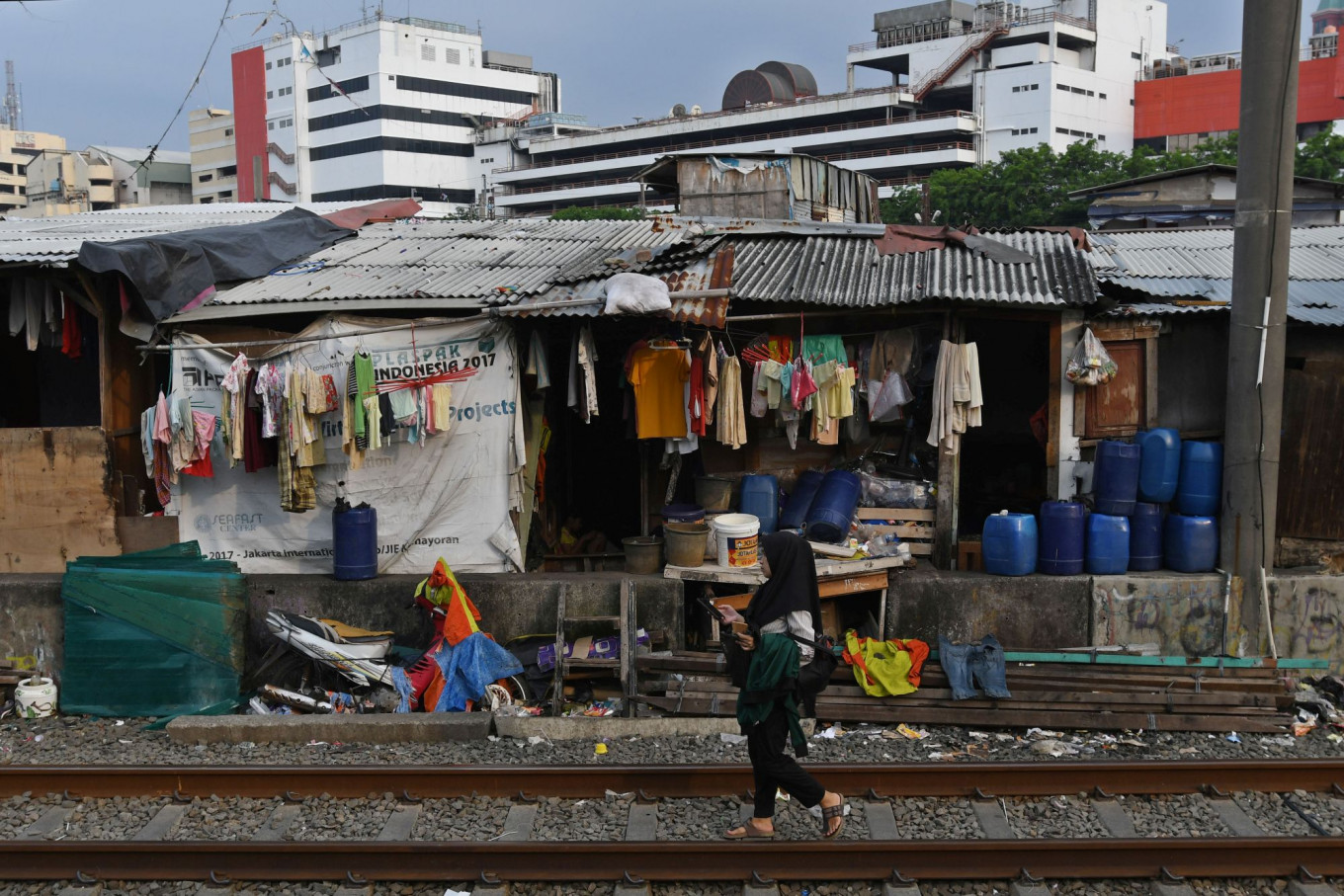
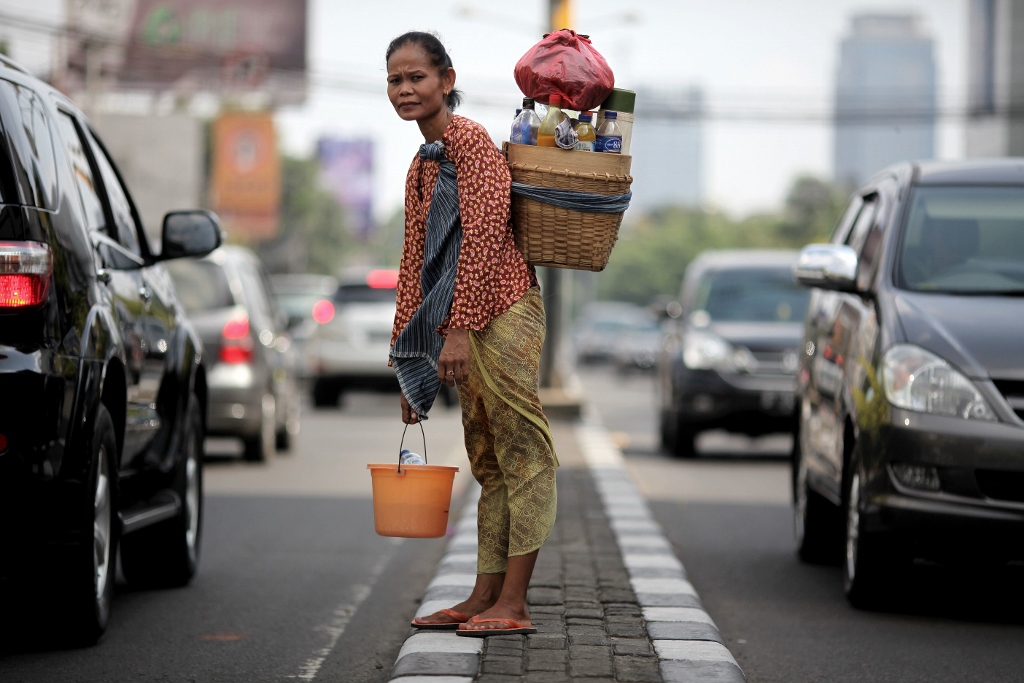
Indonesia, with a population of over 270 million, has made strides in reducing poverty, with the national poverty rate dropping from 24.2% in 1999 to around 9.8% in 2022. However, the country still faces significant challenges, particularly in rural areas where poverty rates are higher. Factors contributing to poverty include:
- Economic Disparities: There are stark differences in wealth between urban and rural areas, with rural communities often lacking access to essential services.
- Education: Limited access to quality education perpetuates the cycle of poverty, as many individuals lack the skills needed for better job opportunities.
- Healthcare Access: Poor health services can lead to increased medical expenses, pushing families deeper into poverty.
Key Poverty Alleviation Programs in Indonesia
1. Program Keluarga Harapan (PKH)
Program Keluarga Harapan (PKH), or the Family Hope Program, is a conditional cash transfer initiative aimed at improving the welfare of low-income families. The program provides financial assistance to families that meet specific criteria, such as sending their children to school and ensuring regular health check-ups.
Impact and Success Stories
- Education Improvement: Families participating in PKH have reported higher school attendance rates among children. For example, a family in East Java shared that their children, who previously struggled to attend school, now go regularly because of the financial support.
- Health Benefits: The program has led to increased healthcare access, with families more likely to seek medical attention for illnesses. A mother in Central Java noted that the cash assistance allowed her to afford regular check-ups for her children, leading to better health outcomes.
2. Bantuan Pangan Non-Tunai (BPNT)
The Bantuan Pangan Non-Tunai (BPNT) program, or Non-Cash Food Assistance, aims to provide food security to low-income households. Instead of cash, eligible families receive electronic vouchers that can be used to purchase food items at designated vendors.
Impact and Success Stories
- Food Security: Many families have reported improved food security and nutrition. A family in West Nusa Tenggara shared that the vouchers allowed them to buy fresh fruits and vegetables, which were previously unaffordable.
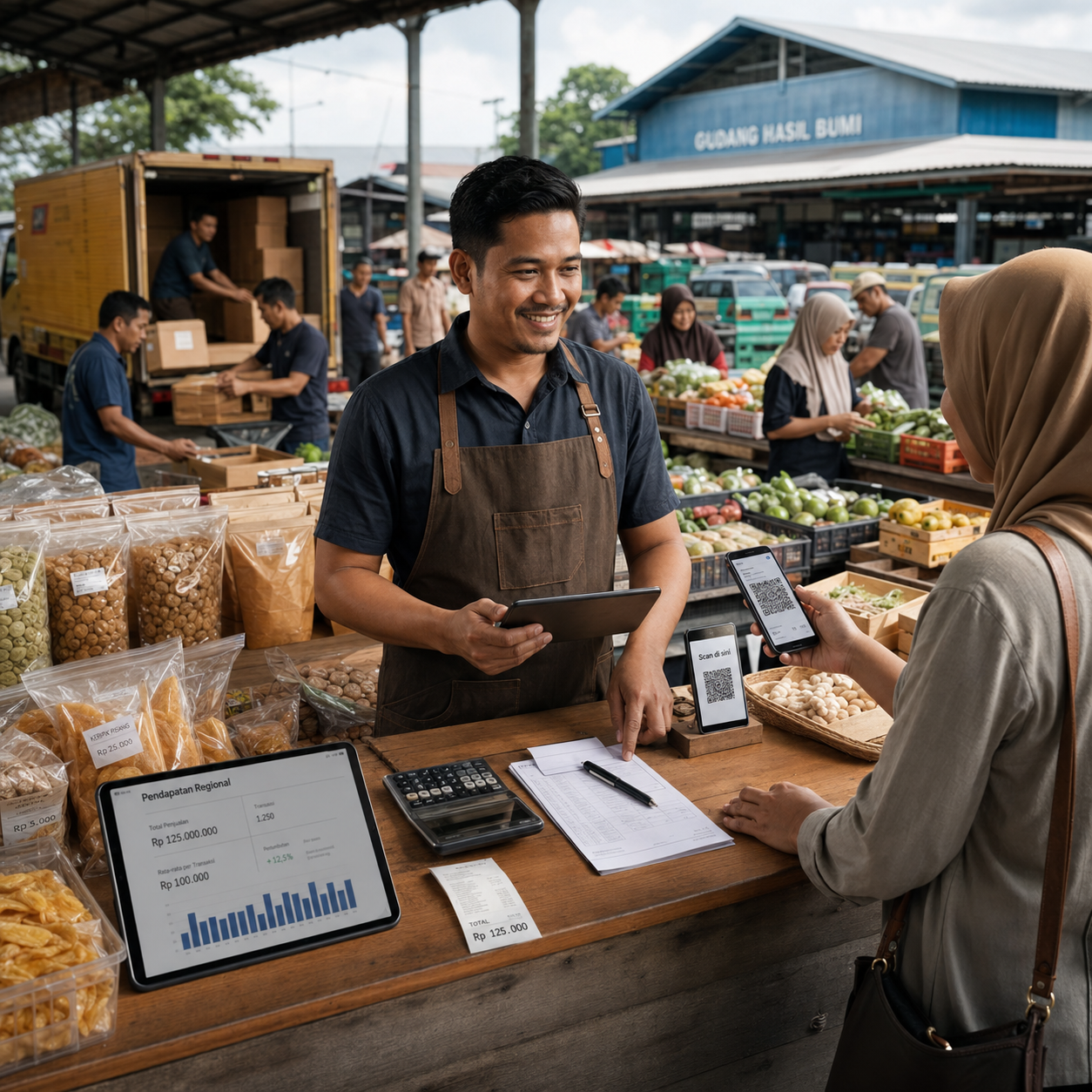
- Local Economy Boost: The program supports local markets by directing funds to local vendors, enhancing community resilience. A shopkeeper in Bali noted that the increased customer base from BPNT has helped her business thrive.
3. Desa Mandiri (Independent Village Program)
The Desa Mandiri program focuses on empowering rural communities to achieve self-sufficiency. This initiative encourages villages to develop their economic potential through skills training, entrepreneurship, and local resource management.
Impact and Success Stories
- Entrepreneurship Development: Villagers have started small businesses, leading to job creation and increased income. A group of women in a village in Sumatra launched a handicraft business that has gained popularity, providing them with a sustainable income.
- Community Cohesion: The program fosters collaboration among community members, strengthening social ties. A village leader in Sulawesi mentioned that the program has united the community in working towards common goals.
Lessons Learned from Poverty Alleviation Efforts
- Community Involvement: Successful poverty alleviation programs emphasize the importance of involving local communities in the planning and implementation processes. Engaging beneficiaries ensures that programs address their specific needs and challenges.
- Sustainability: Programs should focus on long-term sustainability rather than short-term aid. Training and capacity-building initiatives empower individuals and communities to become self-sufficient.
- Monitoring and Evaluation: Continuous monitoring and evaluation are essential to assess the effectiveness of programs and make necessary adjustments. Gathering feedback from participants helps improve program delivery and outcomes.
- Holistic Approach: Addressing poverty requires a multifaceted approach that considers education, healthcare, and economic opportunities. Integrating various sectors can lead to more comprehensive solutions.
Real Stories of Change
- Rina’s Journey: Rina, a single mother from a rural village, struggled to provide for her two children. Through the PKH program, she received financial support that allowed her to send her children to school. With the education they received, her eldest son secured a job in the city, significantly improving their family’s financial situation.
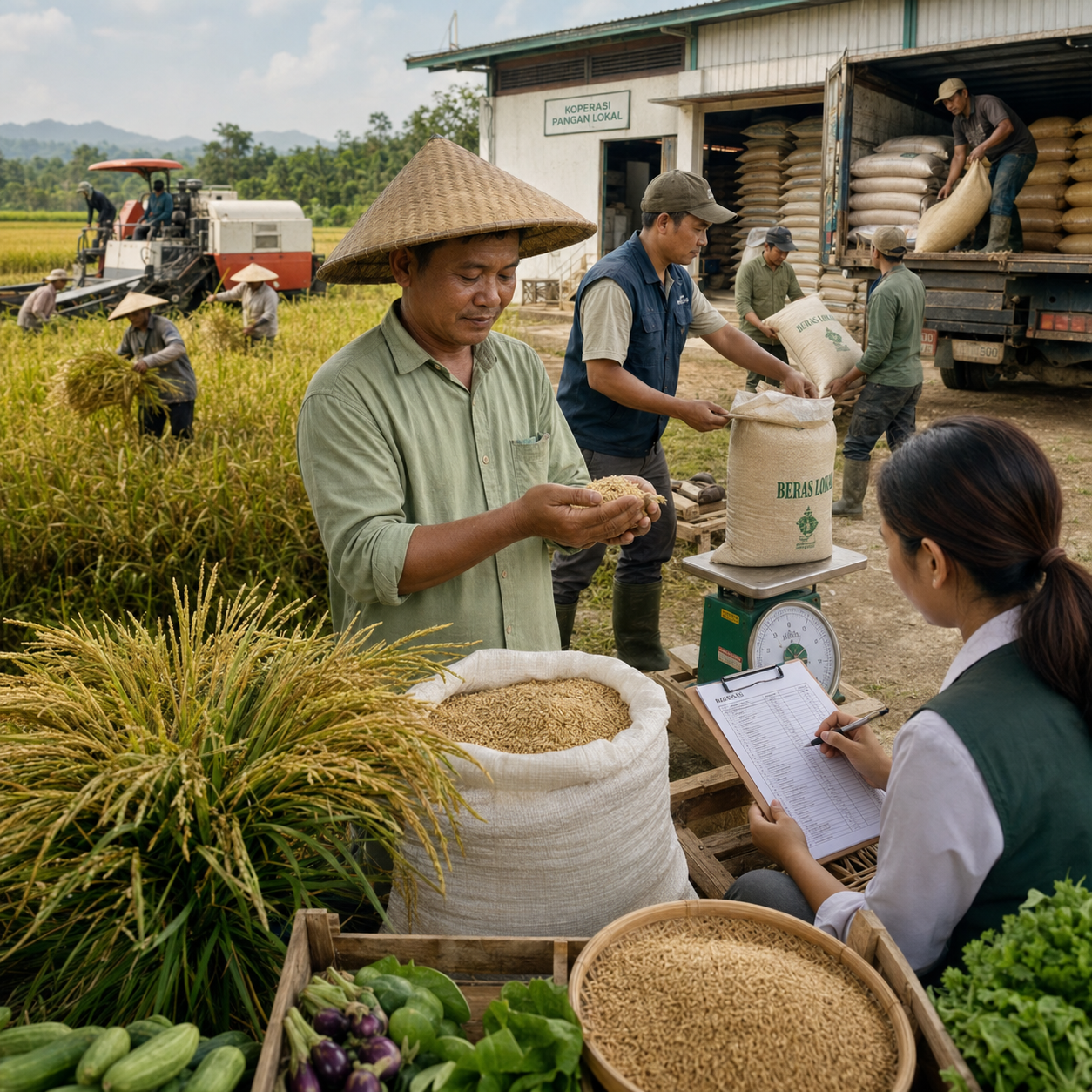
- The Farmers’ Cooperative: A group of farmers in Central Java formed a cooperative as part of the Desa Mandiri program. They received training in sustainable farming practices and access to markets. As a result, their crop yields increased, and they could sell their produce at higher prices, lifting many SITUSTOTO families out of poverty.
Conclusion
Poverty alleviation in Indonesia is a complex challenge that requires innovative solutions and collaborative efforts. Programs like PKH, BPNT, and Desa Mandiri demonstrate the potential for positive social impact when communities are empowered and supported. Real stories from individuals and families highlight the transformative power of these initiatives, offering valuable lessons for future poverty alleviation efforts. By continuing to learn from these experiences, Indonesia can work towards a more equitable and prosperous future for all its citizens.