Indonesia political parties play a crucial role in shaping the nation’s future, influencing policy decisions, and representing the diverse voices of its citizens. As the world’s third-largest democracy, Indonesia boasts a vibrant political landscape characterized by a multitude of parties, each with its own ideologies, goals, and constituencies. In this article, I will share my insights on the significance of these political parties, their impact on governance, and the challenges they face in navigating the complexities of Indonesian society.
The Landscape of Indonesia Political Parties
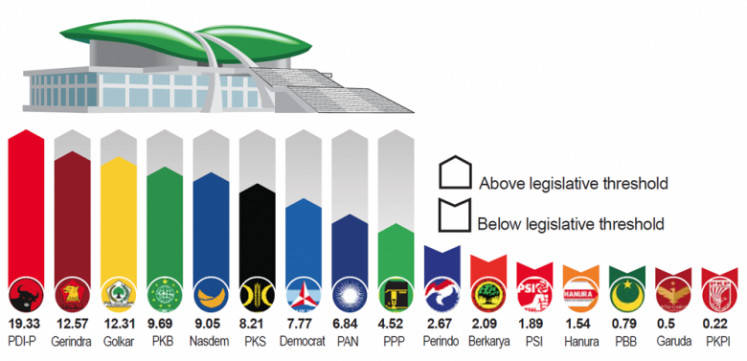
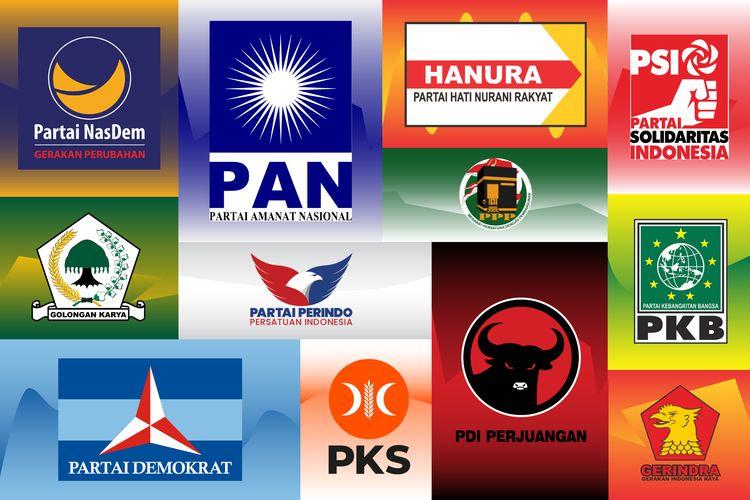
Indonesia is home to a wide array of political parties, ranging from nationalist to religious, and from secular to regional. The political party system is defined by its multiparty nature, allowing for a rich tapestry of representation. Some of the notable political parties include:
- PDI-P (Indonesian Democratic Party of Struggle): A major party that champions national unity and social justice, often associated with the legacy of former President Megawati Sukarnoputri.
- Golkar (Functional Group Party): One of the oldest political parties in Indonesia, historically linked to the New Order regime. It focuses on economic development and has a strong grassroots presence.
- Gerindra (Great Indonesia Movement Party): Founded by Prabowo Subianto, this party emphasizes nationalism and populism, appealing to a wide range of voters.
- PKB (National Awakening Party): A party rooted in Islamic values, it aims to represent the interests of the Muslim community while promoting moderate policies.
- NasDem (National Democratic Party): A relatively new party that focuses on reform, democracy, and environmental issues, seeking to attract younger voters.
- PAN (National Mandate Party): Another Islamic party that emphasizes democratic governance and social justice, appealing to both urban and rural voters.
The Power of Indonesia Political Parties
1. Representation of Diverse Interests
Indonesia’s political parties are essential for representing the diverse interests of its population, which includes over 300 ethnic groups and various religious beliefs. Each party often aligns itself with specific demographics, allowing citizens to find representation that resonates with their values and aspirations. This diversity is crucial for fostering inclusivity in governance and ensuring that different voices are heard in the political arena.
2. Influence on Policy and Governance
Political parties in Indonesia are instrumental in shaping public policy and governance. They play a key role in legislative processes, proposing laws and reforms that address pressing issues such as corruption, education, healthcare, and economic development. The ruling party or coalition often sets the legislative agenda, impacting the direction of national policies and priorities.
3. Mobilization of Voters
Political parties are vital for mobilizing voters during elections, providing a platform for political engagement and participation. Through campaigns, rallies, and community outreach, parties educate citizens about their rights and encourage them to exercise their voting power. This mobilization is especially important in a country with a young and growing electorate, as it fosters democratic participation and accountability.
4. Formation of Coalitions
Given the multiparty system, coalition-building is a common practice in Indonesian politics. Parties often form alliances to secure a majority in the legislature, enabling them to govern effectively. These coalitions can lead to compromises on policies and legislation, reflecting a broader consensus among diverse political ideologies. However, they can also result in instability if parties fail to maintain unity.
Challenges Facing Indonesia Political Parties
Despite their significant role, Indonesia political parties face several challenges that impact their effectiveness and public perception:
1. Corruption and Public Trust
Corruption remains a persistent issue in Indonesian politics, with many political parties facing allegations of graft and misuse of power. This has led to a decline in public trust, as citizens become disillusioned with the political system. To regain credibility, parties must prioritize transparency and accountability in their operations.
2. Fragmentation and Competition
The presence of numerous political parties can lead to fragmentation, making it difficult for any single party to achieve a clear mandate. This competition can dilute party platforms and create confusion among voters, complicating the decision-making process during elections.
3. Adapting to Change
As Indonesia continues to evolve, political parties must adapt to changing societal dynamics, including the rise of digital technology and social media. Engaging with younger voters through innovative campaigns and addressing contemporary issues such as climate change and social justice is essential for remaining relevant in a rapidly changing political landscape.
4. Internal Party Dynamics
Many political parties struggle with internal conflicts and power struggles, which can hinder their ability to present a united front. Leadership disputes and factionalism can disrupt party cohesion and impact electoral performance.
Conclusion
Indonesia political parties are pivotal in shaping the nation’s future, representing diverse interests, influencing policy, and mobilizing citizens. While they face significant challenges, their role in fostering democracy and governance cannot be overstated. As Indonesia continues to develop, the effectiveness of its political parties will be crucial in addressing the needs and aspirations of its people. By prioritizing transparency, adaptability, and inclusivity, these parties can strengthen their impact and contribute to a more prosperous and democratic Indonesia.