









Government System: Structure, Functions, and Roles in Indonesia – My Real Experience Navigating Politics
JAKARTA, turkeconom.com – Government System: Structure, Functions, and Roles in Indonesia isn’t just a chapter in civics class—trust me, it matters in daily life! My first taste of dealing with anything related to government roles was at the licensing office. Took forever, I got lost in the bureaucracy maze, and realized how important it is to understand how things run behind the curtains.
Indonesia, the world’s largest archipelago, boasts a complex and dynamic government system that reflects its diverse culture and history. As a nation with over 270 million people and more than 300 ethnic groups, Indonesia’s political landscape is as varied as its population. In this article, I will share my insights and experiences navigating the Indonesian government system, exploring its structure, functions, and the roles of various institutions.
Overview of the Government System in Indonesia

Indonesia operates under a presidential republic framework, characterized by a separation of powers among the executive, legislative, and judicial branches. This system is designed to ensure checks and balances, promoting democracy and accountability in governance.
1. Executive Branch
The executive branch is headed by the President, who serves as both the head of state and the head of government. The President is elected for a five-year term and can be re-elected for one additional term. The key responsibilities of the executive branch include:
- Policy Implementation: The President oversees the implementation of laws and policies, ensuring that government programs are executed effectively.
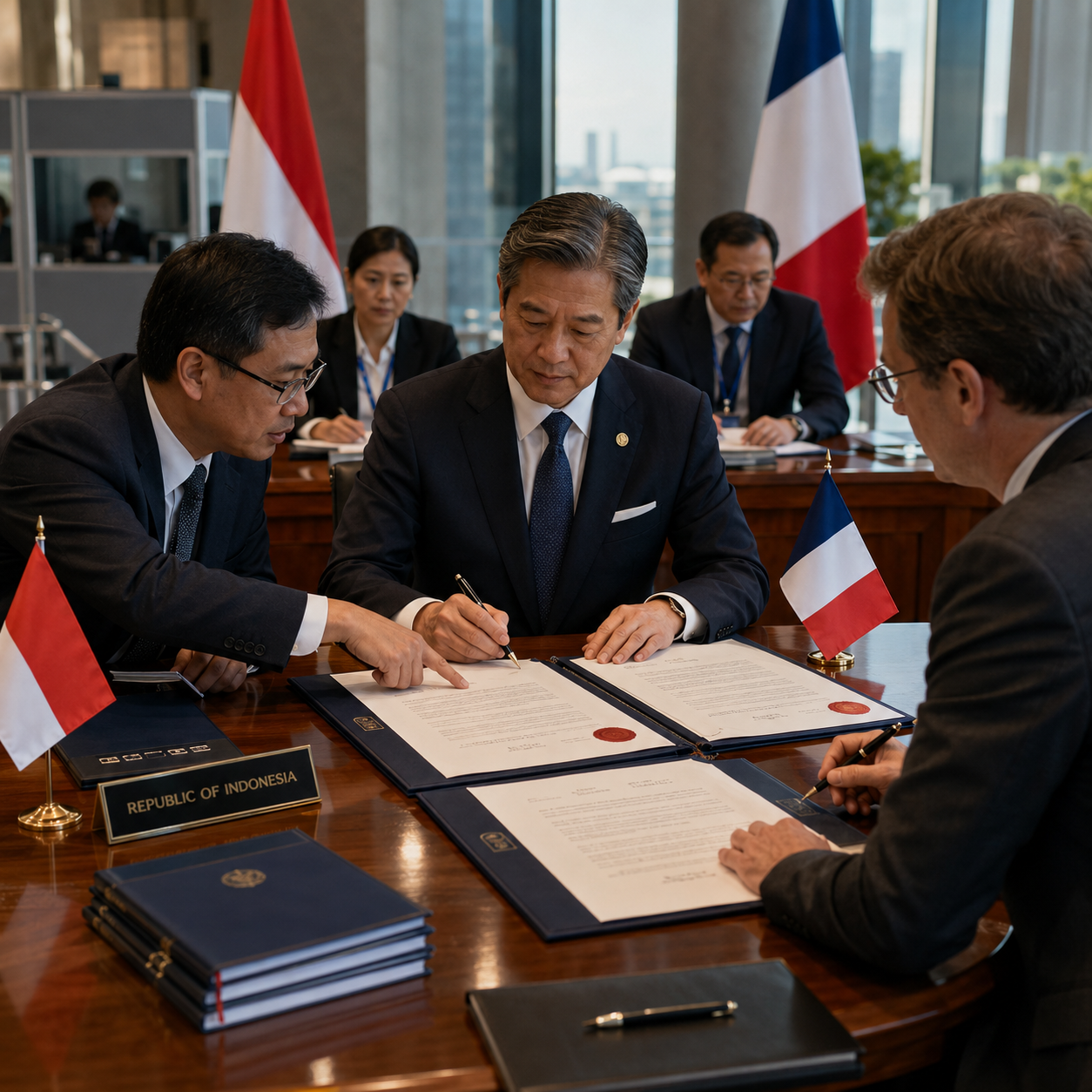
- Foreign Affairs: The President represents Indonesia in international relations and is responsible for negotiating treaties and agreements.
- National Security: The President is the commander-in-chief of the armed forces, ensuring the country’s defense and security.
In my experience, the President’s role is pivotal in shaping national policies, especially in areas such as economic development and social welfare. The current administration has focused on infrastructure development and improving public services, which has been evident in various projects across the country.
2. Legislative Branch
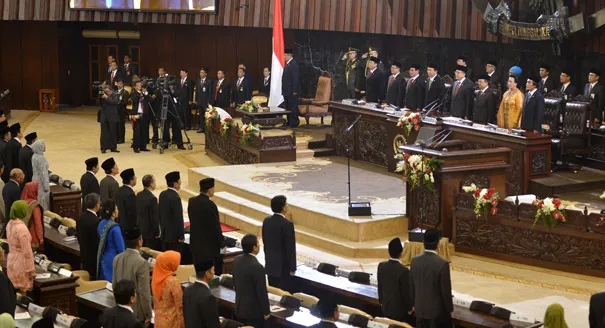
The legislative power in Indonesia is vested in the People’s Consultative Assembly (MPR), which consists of two chambers:
- Dewan Perwakilan Rakyat (DPR): The House of Representatives, composed of members elected through a proportional representation system. The DPR is responsible for creating laws, approving budgets, and overseeing the executive branch.
- Dewan Perwakilan Daerah (DPD): The Regional Representative Council, which represents the interests of Indonesia’s provinces. The DPD has the authority to propose legislation and provide input on national policies affecting regional interests.
Navigating the legislative process can be challenging, as it often involves negotiation and compromise among various political parties. During my interactions with local representatives, I learned the importance of advocacy and community engagement in influencing legislative decisions.
3. Judicial Branch
The judicial branch in Indonesia operates independently of the executive and legislative branches. It is responsible for upholding the rule of law and ensuring justice. The key components of the judicial system include:
- Supreme Court: The highest court in the country, which handles cases involving constitutional issues, appeals, and significant legal disputes.
- Constitutional Court: This court has the authority to review laws and ensure they align with the Constitution, protecting citizens’ rights and freedoms.
- District Courts: These courts handle civil and criminal cases at the local level, providing access to justice for the population.
My experience with the judicial system highlighted the challenges faced by many citizens in accessing legal assistance and navigating complex legal processes. Efforts to reform the judiciary have been ongoing, aiming to enhance transparency and efficiency.
Functions of the Government System
The government system in Indonesia serves several critical functions:
- Policy Making: The government formulates policies that address various issues, including economic development, education, health care, and environmental protection.
- Public Services: The government is responsible for providing essential services to citizens, such as infrastructure, health care, and education.
- Regulation and Oversight: The government regulates various sectors, ensuring compliance with laws and standards to protect public interests.
- Representation: Elected officials represent the interests of their constituents, advocating for policies that benefit their communities.
During my time in Indonesia, I observed firsthand the importance of community participation in governance. Local initiatives and grassroots movements play a vital role in shaping policies and holding government officials accountable.
Challenges in the Government System
Despite its democratic framework, Indonesia’s government system faces several challenges:
- Corruption: Corruption remains a significant issue, affecting public trust in government institutions. Efforts to combat corruption have been implemented, but more work is needed to ensure accountability.
- Bureaucratic Inefficiencies: The bureaucratic system can be slow and cumbersome, hindering effective service delivery and policy implementation.
- Regional Disparities: Indonesia’s vast geography leads to disparities in development and access to services between urban and rural areas.
In navigating these challenges, I learned the importance of civic engagement and advocacy. Many organizations and individuals are working tirelessly to promote transparency, accountability, and social justice.
Conclusion
The government system of Indonesia is a complex and multifaceted structure that reflects the country’s diversity and democratic aspirations. My experiences navigating this system have provided valuable insights into the roles and functions of various institutions, as well as the challenges they face. As Indonesia continues to evolve, the importance of active citizen participation and engagement in governance cannot be overstated. By understanding and engaging with the government system, individuals can contribute to shaping the future of this vibrant nation.
“Explore our “”Politic“” category for more insightful content!
Don't forget to check out our previous article: Understanding Neoliberalisme: Key Concepts and Effects in Indonesia
