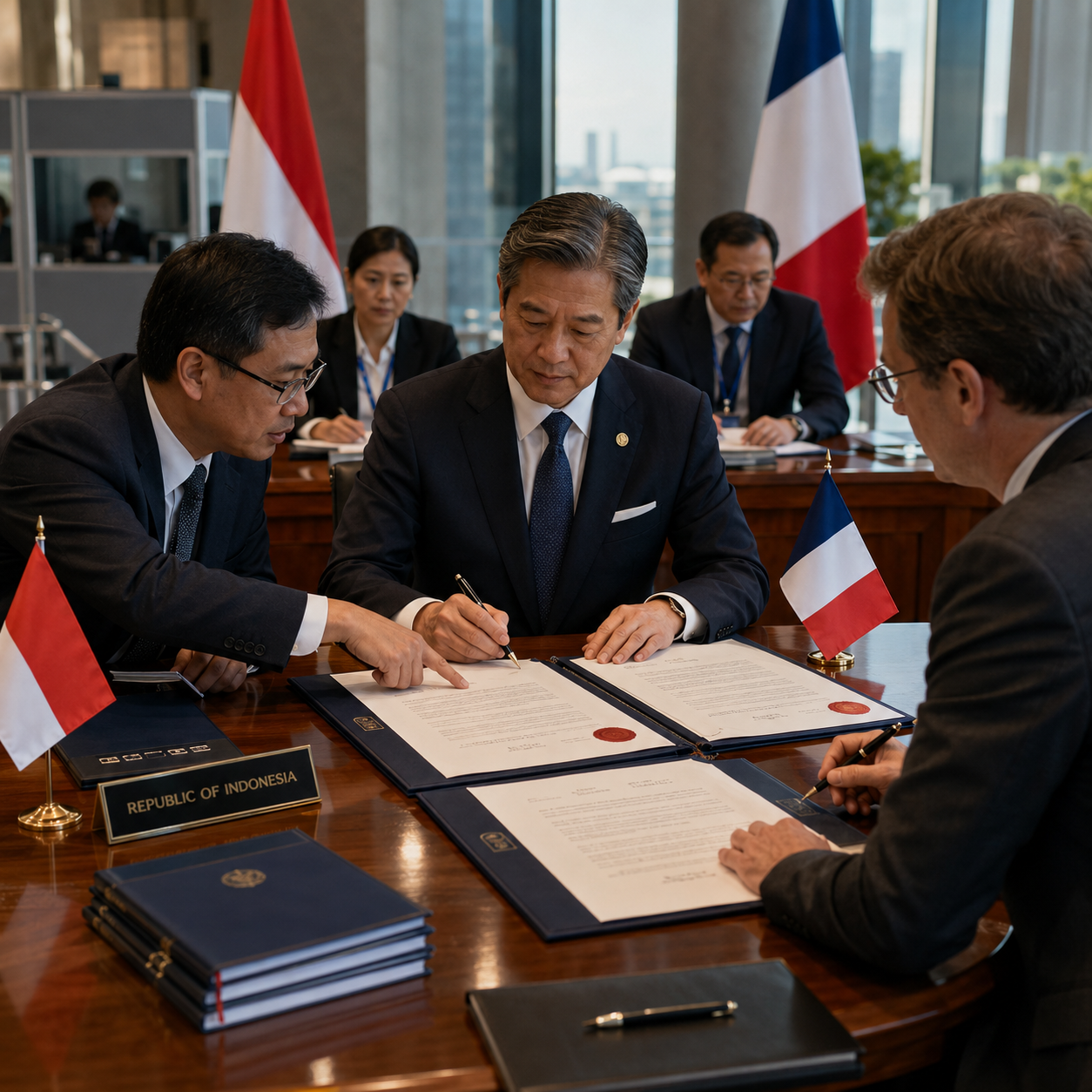
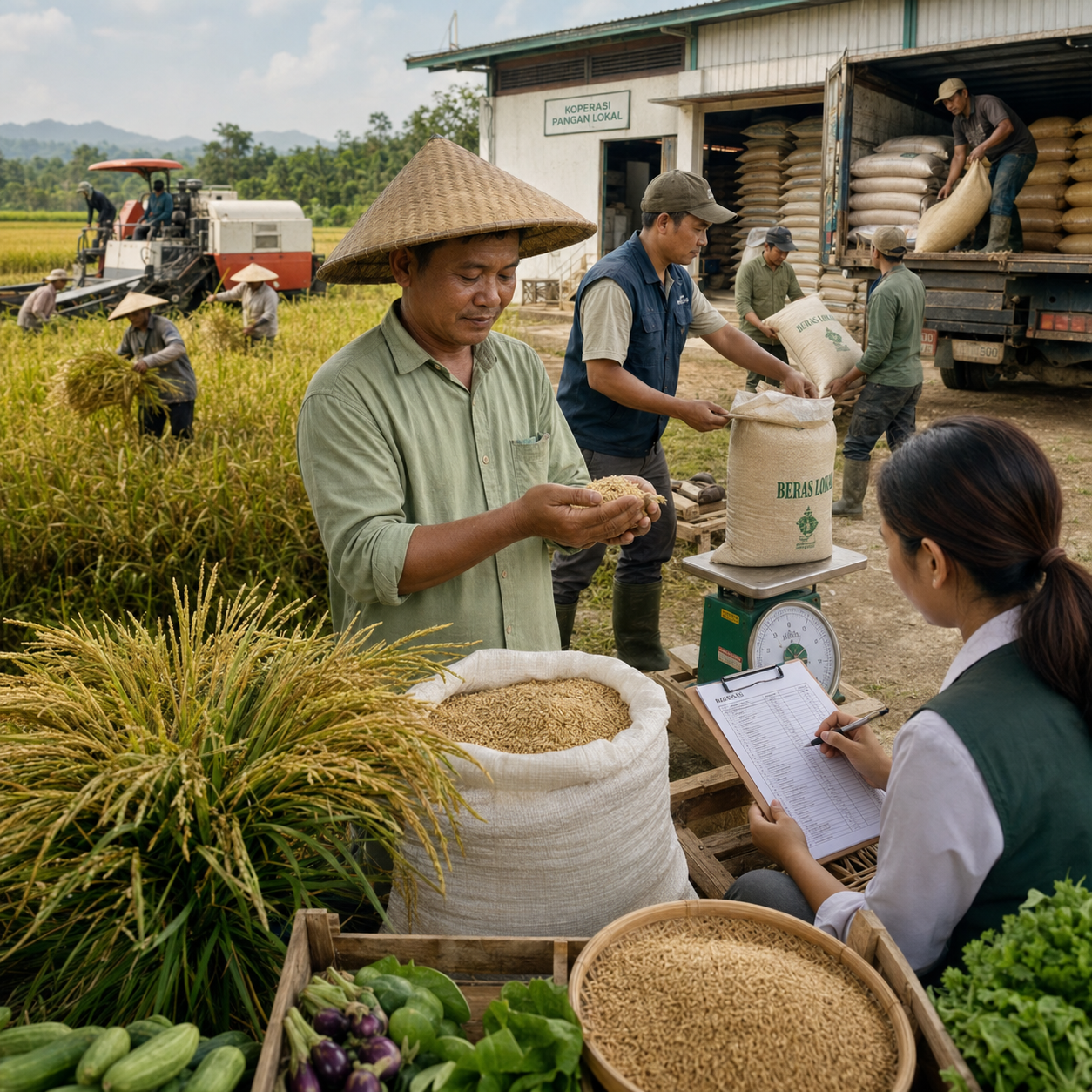
Krisis politik (political crisis) has been a recurring issue in Indonesia’s history, significantly impacting its governance, social fabric, and economic development. Understanding the causes, consequences, and potential pathways to stability is crucial for fostering a resilient political environment in the country. In this article, we will analyze the factors contributing to political crises in Indonesia, explore their consequences, and discuss strategies to achieve long-term stability.
Causes of Krisis Politik in Indonesia
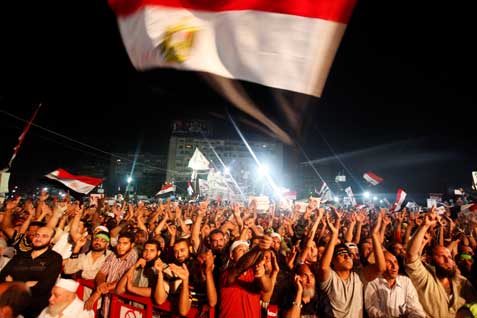
1. Corruption and Governance Issues
Corruption remains a significant challenge in Indonesia, undermining public trust in government institutions. High-profile corruption cases involving politicians and public officials have eroded confidence in the political system. The lack of transparency and accountability often leads to public disillusionment, fueling political unrest.
2. Ethnic and Religious Tensions
Indonesia is a diverse nation with various ethnic groups and religions. While this diversity is a source of strength, it can also lead to tensions and conflicts. Political leaders may exploit these differences for electoral gain, exacerbating divisions and contributing to political instability.
3. Economic Disparities
Economic inequality can lead to social unrest and dissatisfaction with the government. In Indonesia, disparities in wealth distribution and access to resources create tensions among different social groups. Economic crises, such as those caused by the COVID-19 pandemic, can further exacerbate these issues, leading to protests and political instability.
4. Weak Political Institutions
Weak political institutions hinder effective governance and the rule of law. Political parties may lack internal cohesion, leading to fragmentation and instability. Additionally, the electoral system can contribute to a lack of representation and accountability, resulting in disillusionment among the electorate.
5. External Influences
Global geopolitical dynamics can also impact Indonesia’s political landscape. Foreign interventions, economic pressures, and shifting alliances may influence domestic politics, leading to instability. The rise of populism and nationalism in various parts of the world can also affect Indonesia’s political climate.
Consequences of Krisis Politik
1. Social Unrest and Protests
Political crises often lead to widespread social unrest, with citizens taking to the streets to express their dissatisfaction. Protests can escalate into violence, resulting in injuries, loss of life, and damage to property. Such unrest can further destabilize the political environment and hinder economic growth.
2. Economic Impact
Political instability can have severe economic consequences, deterring foreign investment and affecting economic growth. Uncertainty in governance may lead to capital flight, reduced consumer confidence, and disruptions in trade. The economic fallout can exacerbate existing inequalities and contribute to social unrest.
3. Erosion of Democratic Norms
Frequent political crises can undermine democratic institutions and norms. The public’s trust in the electoral process may diminish, leading to apathy and disengagement from politics. In extreme cases, political instability can pave the way for authoritarianism, threatening civil liberties and human rights.
4. International Reputation
Political crises can damage Indonesia’s international standing and relationships with other countries. A reputation for instability can affect diplomatic relations, trade partnerships, and foreign aid. This can further isolate the country and hinder its development prospects.
Pathways to Stability
1. Strengthening Anti-Corruption Measures
Implementing robust anti-corruption initiatives is essential for restoring public trust in government institutions. This includes enhancing transparency, accountability, and oversight mechanisms. Strengthening the role of independent anti-corruption agencies can help combat corruption effectively.
2. Promoting Inclusive Governance
Encouraging inclusive governance that respects the rights and voices of all ethnic and religious groups is crucial for fostering social cohesion. Policies that promote dialogue and understanding among different communities can help mitigate tensions and build a more unified society.
3. Addressing Economic Inequality
Implementing policies aimed at reducing economic disparities is vital for social stability. This includes promoting equitable access to education, healthcare, and economic opportunities. Social safety nets and targeted assistance programs can help vulnerable populations and reduce discontent.
4. Reforming Political Institutions
Strengthening political institutions and electoral processes can enhance governance and accountability. Reforms that promote party cohesion, representation, and citizen engagement can help restore faith in the political system. Encouraging civic education and participation can empower citizens to hold their leaders accountable.
5. Fostering Regional Cooperation
Engaging in regional cooperation and diplomacy can help Indonesia navigate external influences and promote stability. Strengthening ties with neighboring countries and participating in regional organizations can enhance Indonesia’s resilience to geopolitical pressures.
Conclusion
Krisis politik in Indonesia is a complex issue with deep-rooted causes and significant consequences. By addressing the underlying factors contributing to political instability and implementing effective strategies, Indonesia can pave the way for a more stable and resilient political environment. Strengthening Governance, Promoting inclusivity, and fostering economic equity are essential steps toward achieving long-term stability. As Indonesia continues to Navigate its political landscape, a commitment to democratic principles and the rule of law will be crucial for building a Brighter future for all its Citizens.