









Reformasi Sektor Keamanan: Transforming Indonesia’s Defense Landscape for a Safer Tomorrow
JAKARTA, turkeconom.com – Reformasi Sektor Keamanan: Transforming Indonesia’s Defense Landscape is a topic that’s close to my heart. I’ve watched this whole thing unfold right from the ’98 days, and trust me, it’s been a wild ride (in a good way!). Indonesia’s journey to modernize our security sector isn’t just about upgrading tanks or building strong walls—it’s a LOT about mindset, politic, and how we, as citizens, see our military and police.
Reformasi Sektor Keamanan (Security Sector Reform) is a critical initiative aimed at transforming Indonesia’s defense and security landscape. This reform seeks to enhance the effectiveness, accountability, and transparency of security institutions in the country. By addressing historical issues and adapting to contemporary challenges, Indonesia aims to create a safer and more secure environment for its citizens. In this article, we will explore the significance of this reform, its key components, and the potential impact on Indonesia’s future.
The Need for Reformasi Sektor Keamanan

1. Historical Context
Indonesia has faced various security challenges, including political violence, terrorism, and separatist movements. The legacy of past authoritarian regimes has often hindered the development of a robust and accountable security framework. Reformasi Sektor Keamanan aims to rectify these historical injustices and establish a security sector that respects human rights and upholds democratic principles.
2. Current Challenges
In recent years, Indonesia has encountered new security threats, such as cybercrime, radicalization, and transnational crime. The traditional security apparatus must evolve to address these challenges effectively. Reform is essential to ensure that security forces are equipped with the necessary skills, training, and resources to respond to modern threats.
Key Components of Reformasi Sektor Keamanan
1. Institutional Strengthening
One of the primary goals of the reform is to strengthen security institutions, including the police and military, by promoting professional standards and ethical conduct. This involves:
- Training and Capacity Building: Providing comprehensive training programs to enhance the skills and knowledge of security personnel.
- Accountability Mechanisms: Establishing oversight bodies to ensure transparency and accountability within security institutions.
2. Community Engagement
Engaging with local communities is crucial for building trust and cooperation between security forces and citizens. Initiatives may include:
- Community Policing: Implementing community-oriented policing strategies to foster collaboration and address local security concerns.
- Public Awareness Campaigns: Educating citizens about their rights and the role of security forces in maintaining public safety.
3. Legislative Framework
A robust legal framework is essential for guiding the reform process. This includes:
- Revising Security Laws: Updating existing laws to align with international human rights standards and best practices in security governance.
- Establishing Legal Protections: Ensuring that laws protect citizens from abuses by security forces and promote accountability.
4. Regional Cooperation
Given the transnational nature of many security threats, regional cooperation is vital. Indonesia can enhance its security landscape by:
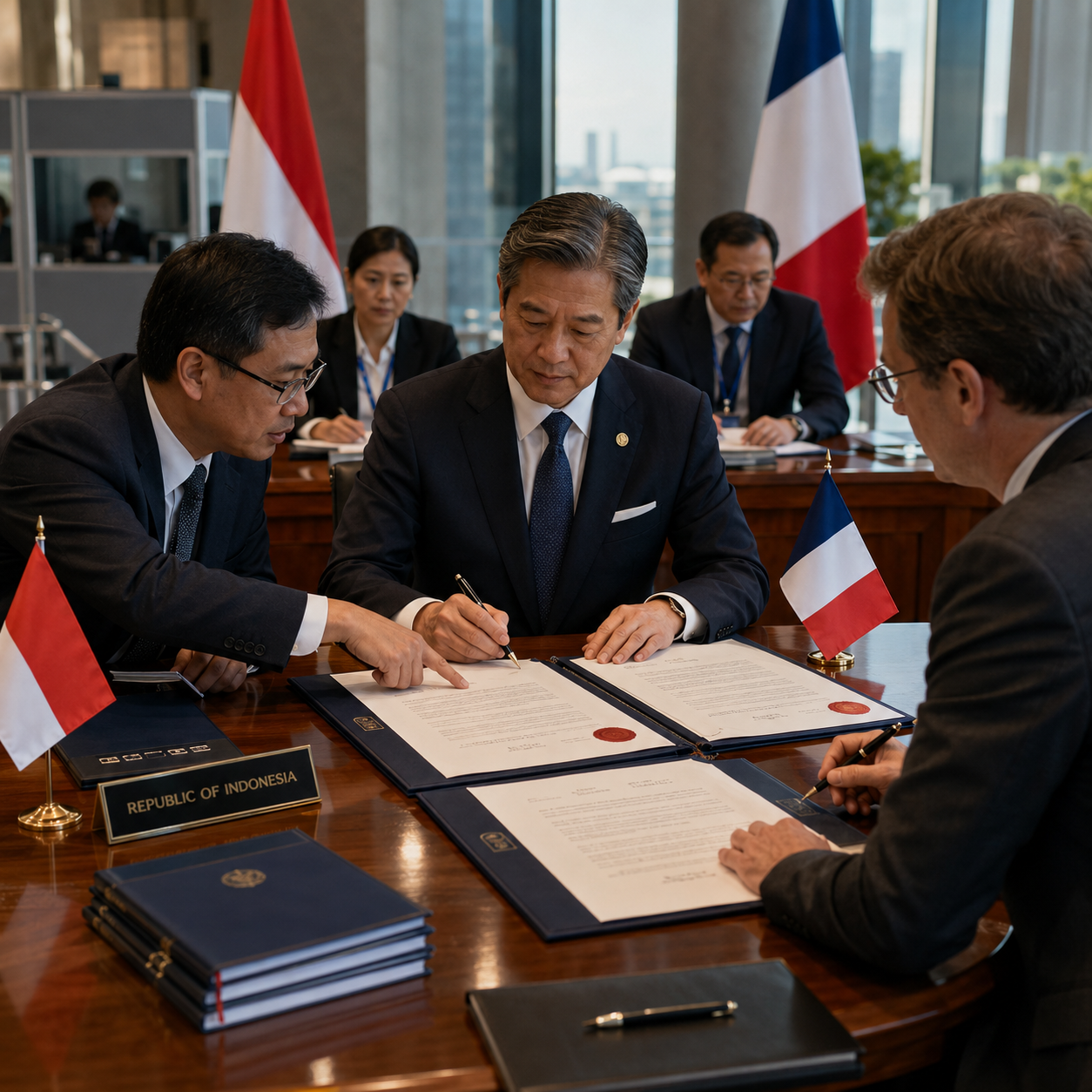
- Collaborating with Neighboring Countries: Engaging in joint exercises, intelligence sharing, and capacity building with regional partners.
- Participating in International Forums: Contributing to global discussions on security challenges and solutions.
Potential Impact of Reformasi Sektor Keamanan
1. Enhanced Security and Stability
Effective reform can lead to improved security conditions, reducing crime rates and enhancing public safety. A more accountable and professional security sector can better respond to emerging threats and maintain social order.
2. Strengthened Democracy
By promoting transparency and accountability, Reformasi Sektor Keamanan can bolster democratic governance in Indonesia. A security sector that respects human rights and engages with citizens fosters trust and confidence in government institutions.
3. Economic Growth
A stable security environment is essential for economic development. Investors are more likely to engage in a country where security forces operate professionally and with integrity, creating a conducive environment for business growth.
Conclusion: A Safer Tomorrow for Indonesia
Reformasi Sektor Keamanan is a pivotal initiative that holds the potential to transform Indonesia’s defense landscape. By addressing historical issues, strengthening institutions, and promoting community engagement, Indonesia can build a security sector that is effective, accountable, and responsive to the needs of its citizens. As the nation moves forward, embracing these reforms will be crucial in creating a safer and more secure tomorrow for all Indonesians.
Sharpen Your Skills: Delve into Our Expertise on Politic
Check Out Our Latest Piece on Badan Intelijen Negara: Strengthening Indonesia National Security Framework!
Here is the reference website: WDBOS
