









House of Representatives: The Legislative Body of Indonesia’s Democracy – How It Shapes Our Nation
JAKARTA, turkeconom.com – House of Representatives: The Legislative Body of Indonesia’s Democracy is a topic I never thought would fascinate me, honestly. A few years back, I barely paid attention to the DPR (Dewan Perwakilan Rakyat) thinking it was just a bunch of folks in suits debating politic stuff on TV. Boy, was I missing out! Once I started to dig a bit deeper, everything changed.
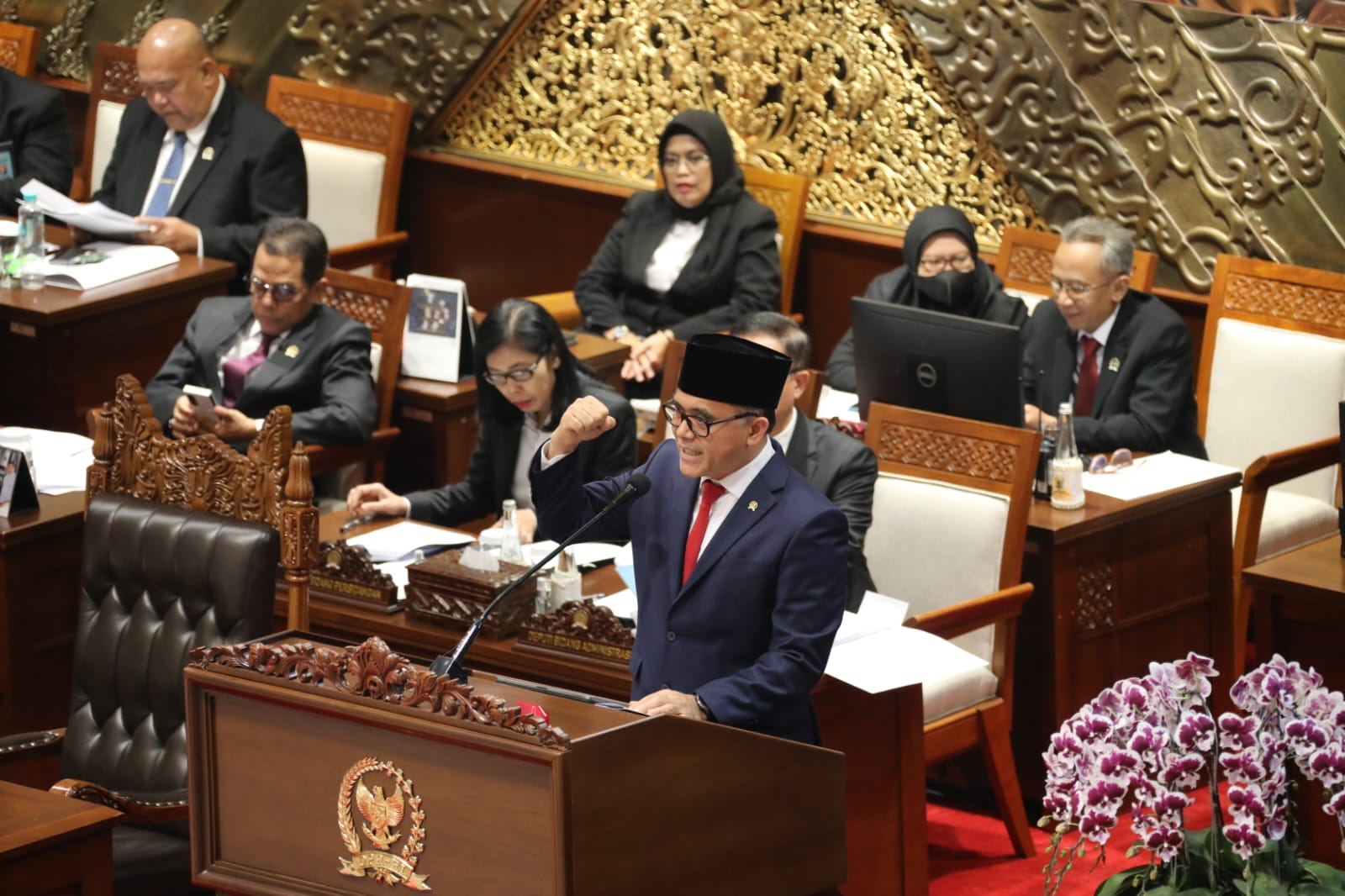
The House of Representatives (Dewan Perwakilan Rakyat, DPR) is a crucial component of Indonesia’s democratic framework, serving as the legislative body responsible for making laws, representing the interests of the people, and overseeing the executive branch. Established under the 1945 Constitution, the DPR plays a vital role in shaping national policy and governance. In this article, we will explore the structure, functions, and significance of the House of Representatives in Indonesia’s democracy.
Structure of the House of Representatives

The House of Representatives consists of members elected directly by the people through a proportional representation system. Here are key aspects of its structure:
1. Composition
- The DPR is composed of 575 members who serve five-year terms.
- Members are elected from various political parties, reflecting the diverse political landscape of Indonesia.
2. Electoral System
- Indonesia employs a mixed electoral system, combining both proportional representation and district-based elections.
- Voters select party lists in their respective electoral districts, with seats allocated based on the percentage of votes received.
3. Leadership
- The House of Representatives is led by a Speaker and several deputy speakers, elected from among its members.
- Leadership plays a crucial role in setting the legislative agenda, managing debates, and ensuring the smooth functioning of the House.
Functions of the House of Representatives
The DPR has several key functions that are essential to the functioning of Indonesia’s democracy:
1. Lawmaking
- The primary function of the House of Representatives is to create, amend, and repeal laws.
- Proposed laws (Rancangan Undang-Undang, RUU) can be initiated by the DPR or the President, but they must be debated and approved by the House before becoming law.
2. Budget Approval
- The DPR is responsible for approving the national budget proposed by the government.
- This function ensures that public funds are allocated effectively and transparently, reflecting the needs and priorities of the citizens.
3. Oversight of the Executive
- The House of Representatives holds the executive branch accountable through oversight functions.
- This includes monitoring government policies, programs, and expenditures, as well as conducting inquiries and investigations when necessary.
4. Representation
- Members of the DPR represent the interests of their constituents, voicing their concerns and advocating for their needs in the legislative process.
- This representation is crucial for ensuring that diverse perspectives are considered in national decision-making.
Significance of the House of Representatives in Indonesia’s Democracy
The House of Representatives plays a pivotal role in shaping Indonesia’s democratic landscape. Here are some key points highlighting its significance:
1. Strengthening Democracy
- As a representative body, the DPR embodies the principles of democracy by ensuring that the voices of the people are heard in the legislative process.
- It fosters political participation and accountability, contributing to a vibrant democratic culture.
2. Promoting Good Governance
- The oversight function of the DPR helps promote transparency and accountability within the government.
- By scrutinizing executive actions, the House ensures that public resources are used effectively and that government officials are held accountable for their actions.
3. Facilitating National Development
- Through its lawmaking and budget approval functions, the DPR plays a critical role in shaping policies that drive national development.
- By addressing issues such as education, healthcare, infrastructure, and economic growth, the House contributes to improving the quality of life for Indonesian citizens.
4. Fostering Political Stability
- The House of Representatives serves as a platform for political dialogue and negotiation among various political parties.
- By facilitating consensus-building and collaboration, the DPR helps maintain political stability in a diverse and pluralistic society.
Conclusion: The House of Representatives and the Future of Indonesia
The House of Representatives is a cornerstone of Indonesia’s democracy, playing a vital role in lawmaking, budget approval, and oversight of the executive branch. Its composition and functions reflect the diverse interests of the Indonesian people, ensuring that their voices are heard in the legislative process. As Indonesia continues to evolve, the DPR will remain instrumental in shaping national policies, promoting good governance, and fostering political stability. Understanding the significance of the House of Representatives is essential for appreciating the dynamics of Indonesia’s democratic journey and the ongoing efforts to build a better future for all citizens.
Sharpen Your Skills: Delve into Our Expertise on Politic
Check Out Our Latest Piece on Legislative Election: Shaping Indonesia's Parliament and Policy-Making Landscape!
