










Lembaga Negara: Understanding the Structure and Functions of Indonesian State Institutions—My Big Takeaways
JAKARTA, turkeconom.com – Lembaga Negara: Understanding the Structure and Functions of Indonesian State Institutions has always been on my mind, especially after having my own little “a-ha!” moment back in college. Back then, I honestly thought the DPR, MPR, and Presiden were just… well, names you memorize for exams. Turns out, there’s so much more depth and, honestly, politics in how these institutions actually work together!
Lembaga Negara, or state institutions, play a crucial role in the governance and political framework of Indonesia. Understanding these institutions is essential for grasping how the country operates, the distribution of power, and the mechanisms of democracy. In this article, I will share my insights into the structure and functions of Indonesian state institutions, highlighting their importance in maintaining order and promoting the welfare of the nation.
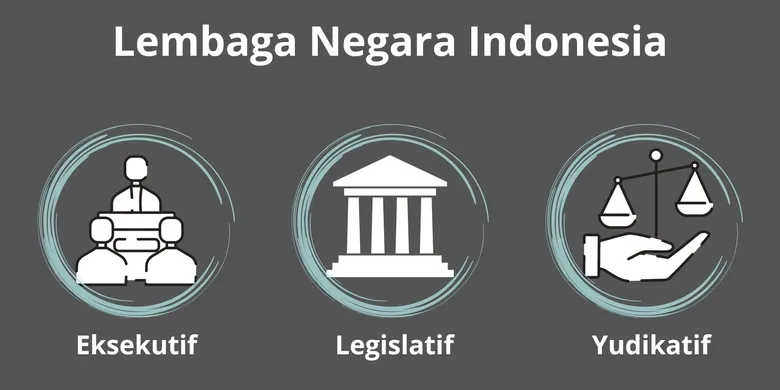
The Structure of Lembaga Negara

Indonesia’s state institutions are established by the Constitution and operate under the principles of democracy, rule of law, and respect for human rights. The main categories of Lembaga Negara include:
1. Executive Institutions
The executive branch is responsible for implementing laws and managing the day-to-day affairs of the state. Key institutions include:
- Presidency: The President of Indonesia serves as both the head of state and government, responsible for national policy and administration.
- Cabinet: Composed of ministers appointed by the President, the Cabinet assists in executing government policies and managing various sectors.
2. Legislative Institutions
The legislative branch is tasked with creating laws and representing the interests of the people. The key institutions are:
- People’s Consultative Assembly (MPR): This body consists of the Regional Representative Council (DPD) and the People’s Representative Council (DPR). The MPR has the authority to amend the Constitution and oversee the executive branch.
- DPR (Dewan Perwakilan Rakyat): The DPR is the lower house of the legislature, responsible for proposing and approving laws, as well as overseeing the executive branch.
3. Judicial Institutions
The judiciary ensures justice and upholds the rule of law. Important institutions include:
- Supreme Court: The highest court in Indonesia, responsible for handling cases of significant legal importance and ensuring the uniformity of law.
- Constitutional Court: This court has the authority to review laws against the Constitution and resolve disputes regarding elections and political parties.
4. Independent Institutions
These institutions operate independently from the executive, legislative, and judicial branches to promote accountability and transparency. Examples include:
- Corruption Eradication Commission (KPK): Tasked with combating corruption, the KPK investigates and prosecutes corrupt practices within government and society.
- Ombudsman: This institution addresses public complaints regarding maladministration and promotes good governance.
Functions of Lembaga Negara
The functions of Lembaga Negara are vital for maintaining the integrity and functionality of the Indonesian state. Here are some key functions:
1. Lawmaking and Oversight
Legislative institutions like the DPR are responsible for crafting laws that govern the nation. They also play a critical role in overseeing the actions of the executive branch to ensure accountability.
2. Policy Implementation
Executive institutions implement laws and policies that affect the daily lives of citizens. The President and Cabinet work to ensure that government programs are effectively carried out.
3. Justice and Legal Protection
Judicial institutions uphold the law and protect citizens’ rights. They provide a mechanism for resolving disputes and ensuring that justice is served fairly and impartially.
4. Public Accountability
Independent institutions like the KPK and Ombudsman promote transparency and accountability within government operations. They help to prevent corruption and ensure that public officials act in the best interest of the citizens.
My Big Takeaways
After exploring the structure and functions of Lembaga Negara, here are my key takeaways:
1. Importance of Separation of Powers
The clear delineation between the executive, legislative, and judicial branches is crucial for maintaining a balanced and democratic government. Each institution has distinct roles that contribute to the overall governance of the country.
2. Role of Independent Institutions
Independent institutions are essential for promoting good governance and accountability. Their ability to operate free from political influence helps to build public trust in government.
3. Citizen Engagement
Understanding Lembaga Negara empowers citizens to engage with their government effectively. By knowing how these institutions function, individuals can advocate for their rights and participate in the democratic process.
4. Continuous Improvement
While Indonesia has made significant strides in establishing its state institutions, ongoing reforms are necessary to enhance their effectiveness and responsiveness to the needs of the people.
Conclusion
Lembaga Negara is a fundamental aspect of Indonesia’s governance, providing structure and function to the political system. Understanding these institutions is vital for appreciating the complexities of Indonesian democracy and the importance of citizen participation. As Indonesia continues to evolve, the role of state institutions will remain crucial in shaping the nation’s future and ensuring a prosperous and just society.
Sharpen Your Skills: Delve into Our Expertise on Politic
Check Out Our Latest Piece on Partai Golkar: Development, Unity, and its Enduring Influence in Indonesia!
