








Marxism in Indonesia Movements: How Marxist Ideology Shaped Indonesia’s Political and Social History
Jakarta, turkeconom.com – Marxism in Indonesia Movements refers to the influence of Marxist ideas on political organization, labor activism, anti colonial resistance, peasant mobilization, and ideological debate throughout Indonesia’s modern history. Although Marxism developed in a European intellectual context, its concepts of class struggle, exploitation, imperialism, and social transformation found powerful resonance in colonial and postcolonial Indonesia. Over time, these ideas interacted with nationalism, Islam, anti imperialism, and local political conditions in ways that made the Indonesian experience distinct.
What makes Marxism in Indonesia Movements especially significant is that it shaped both organized politics and the broader language of social justice, class consciousness, and revolutionary change. It influenced debates over land, labor, sovereignty, and the structure of the postcolonial state. At the same time, it became central to some of the most intense political conflicts in Indonesian history, especially during the mid twentieth century and the violent rupture of 1965 and its aftermath. Few ideologies have left such a visible mark while also being pushed so forcefully into silence.
Historical Background of Marxism in Indonesia Movements
To understand its impact, it helps to trace how Marxist thought entered Indonesia and how it adapted to local struggles.
Early entry and colonial context
Marxist ideas reached the Dutch East Indies through:
- European socialist and communist networks
- Anti colonial intellectual circles
- Labor organizing among workers
- Political education within early radical groups
- Global revolutionary influences, especially after the Russian Revolution
In the colonial context, Marxism appealed not only as a theory of class but also as a framework for understanding imperial domination and economic exploitation.
Interaction with nationalism
As Marxist thought developed in Indonesia, it intersected with:
- Anti colonial nationalism
- Labor and peasant organizing
- Debates over religion and secular politics
- Calls for independence and social equality
- The search for mass based political mobilization
This interaction meant that Marxism in Indonesia was never simply imported in pure form. It was adapted to Indonesian realities and to the priorities of anti colonial struggle.
Political and Social Influence
Marxism had a profound effect on both political institutions and grassroots activism in Indonesia.
Organizational and ideological influence
Marxism in Indonesia Movements contributed to:
- The growth of left wing political organizations
- Labor union development
- Peasant mobilization around land issues
- Anti imperialist political analysis
- Expanded public discourse on inequality and exploitation
These contributions helped shape the language of political struggle during the independence era and beyond.
The role of the PKI
A central part of this history involves:
- The rise of the Indonesian Communist Party
- Its role as a major political force in the twentieth century
- Its influence in mass mobilization and political education
- Its relationship with Sukarno’s political environment
- Its destruction following the events of 1965
The PKI became one of the largest communist parties outside the socialist bloc, making Indonesia a major site in the global history of Marxist politics.
Rupture, Repression, and Historical Memory
The history of Marxism in Indonesia cannot be understood without addressing the violence and silence that followed its political peak.
The 1965 turning point
The events surrounding 1965 led to:
- Mass violence and political killings
- The destruction of leftist organizations
- Widespread imprisonment and persecution
- State control over historical narratives
- Long term stigma attached to Marxist ideas
This period reshaped Indonesia’s political landscape and narrowed the public space for left oriented thought for decades.
Legacy and continuing relevance
Despite repression, the legacy of Marxism in Indonesia Movements continues through:
- Historical scholarship and reassessment
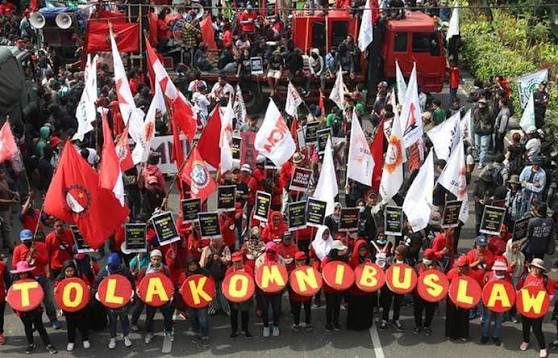
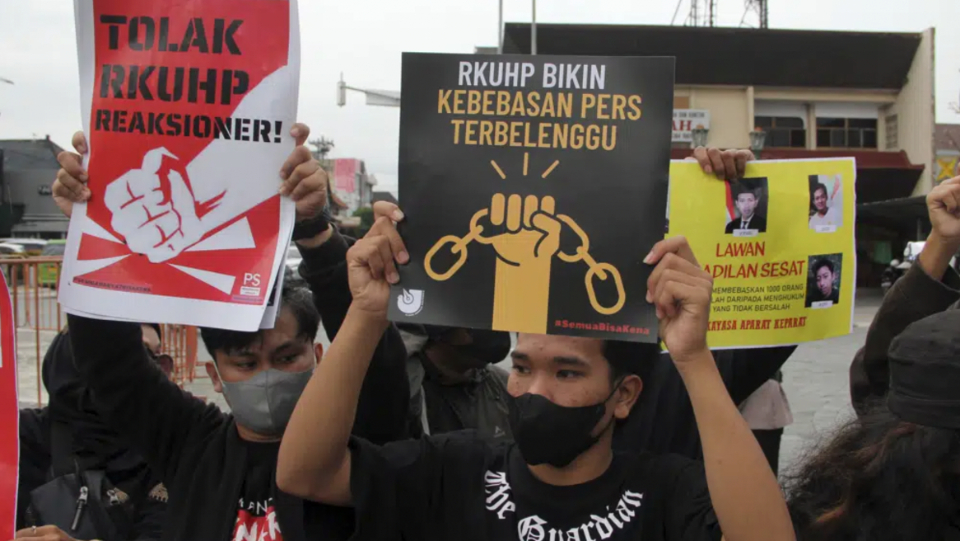
- Discussions of labor rights and inequality
- Renewed interest in political memory
- Comparative studies of ideology and authoritarianism
- Ongoing debates about justice, history, and national identity
Its legacy survives not only in formal politics, but also in unresolved historical questions and recurring concerns about class and power.
Marxism in Indonesia Movements Overview
Below is a concise overview of the main dimensions associated with Marxism in Indonesia Movements.
| Area | Main Influence | Why It Matters |
|---|---|---|
| Colonial Resistance | Linked class analysis with anti imperialism | Strengthened radical critique of colonial rule |
| Labor and Peasant Politics | Supported organizing and mobilization | Expanded social movements |
| Political Parties | Influenced major left wing structures | Shaped national political conflict |
| 1965 and Aftermath | Triggered repression and historical rupture | Redefined Indonesian political life |
| Historical Memory | Continues through debate and scholarship | Keeps unresolved history in public view |
Together, these dimensions explain why Marxism played such a consequential role in Indonesia’s political and social history.
Why Marxism in Indonesia Movements Continues to Matter
Marxism in Indonesia Movements continues to matter because it helps explain how Indonesians confronted colonialism, inequality, mass politics, and state power across the twentieth century. It also reveals how ideological conflict can shape not only institutions and movements, but also public memory and silence.
Lasting significance
It remains important because it:
- Illuminates major currents in anti colonial and postcolonial politics
- Explains key developments in labor and peasant activism
- Clarifies the historical importance of the PKI
- Provides context for the violence and repression of 1965
- Supports deeper reflection on justice, memory, and political history
Broader perspective
Marxism in Indonesia Movements shows that ideas can travel across borders and become deeply entangled with local realities. In Indonesia, Marxist ideology did not simply arrive as theory. It became part of a larger struggle over independence, equality, power, and historical truth. Its history remains essential for understanding both what Indonesia experienced and what parts of that experience were later forced into silence.
Key Takeaways
Marxism in Indonesia Movements shaped Indonesia’s political and social history through anti colonial activism, labor and peasant organization, party politics, and the enduring legacy of repression and contested memory.
Main lessons
- Marxist ideas became influential through anti colonial and social justice struggles
- They interacted with nationalism, labor politics, and peasant mobilization
- The PKI played a major role in twentieth century Indonesian politics
- The events of 1965 transformed the place of Marxism in public life
- The legacy remains important for understanding inequality, memory, and historical conflict
Final perspective
The key takeaway is that Marxism in Indonesia Movements was not a marginal or foreign episode detached from national history. It was a major force in shaping political imagination, social conflict, and historical transformation in Indonesia. Understanding that history is essential to understanding the country’s modern political development.
Explore our “”Politic“” category for more insightful content!
Don't forget to check out our previous article: Political Violence: Addressing Extremism in Indonesia
