









Political Violence: Addressing Extremism in Indonesia
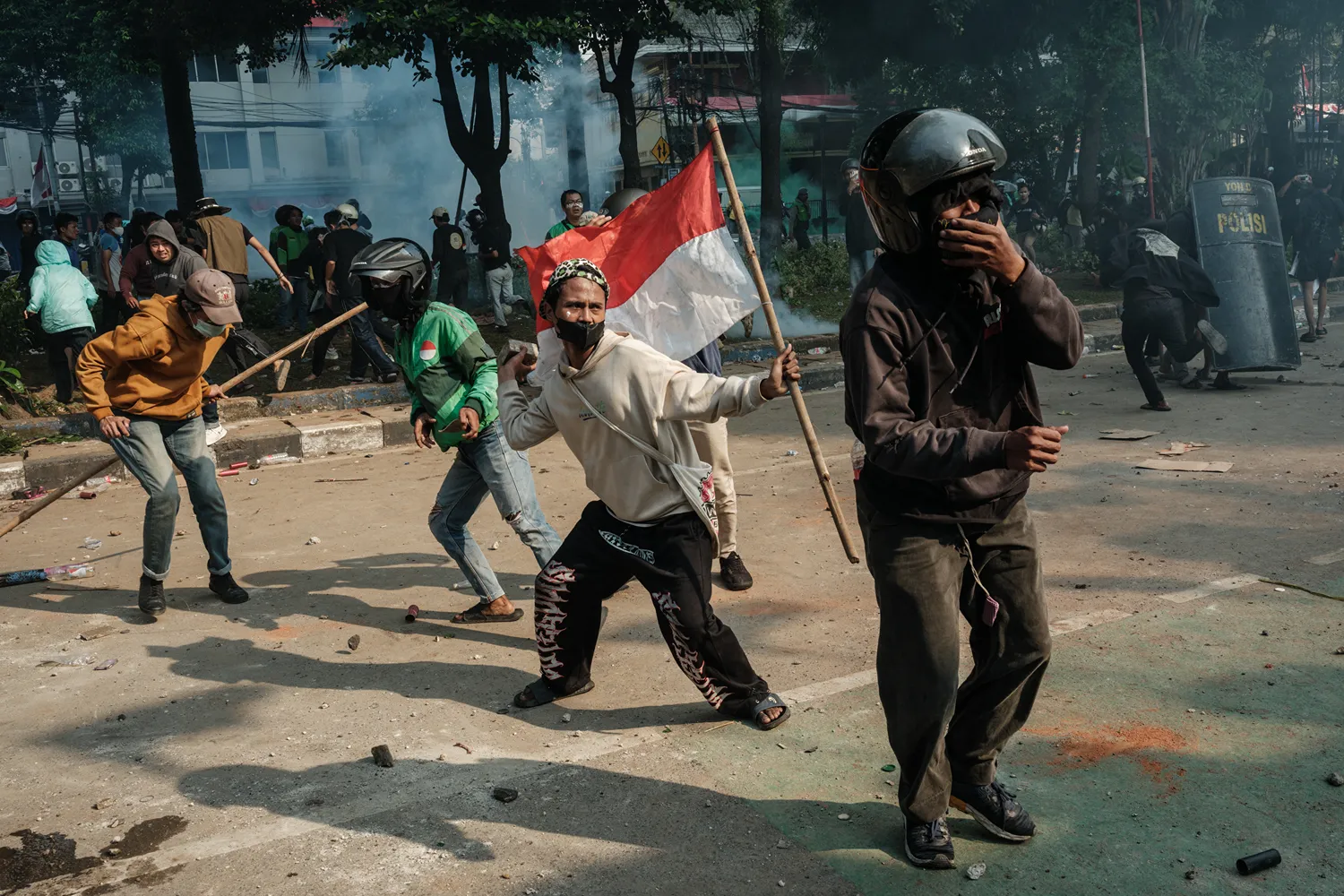
Jakarta, turkeconom.com – Political Violence refers to the use of force, intimidation, coercion, or terror to achieve political, ideological, or sectarian goals. In Indonesia, as in many democracies, the issue is deeply serious because it threatens public safety, weakens trust in institutions, disrupts social harmony, and can damage the legitimacy of political life itself. Addressing extremism requires more than security responses alone. It also demands attention to education, community resilience, online radicalization, governance, and social inclusion.
What makes this topic especially important in Indonesia is the country’s scale, diversity, and democratic complexity. With its plural society, strong religious life, regional differences, and rapidly evolving digital environment, Indonesia faces both challenges and opportunities in preventing extremism. A durable response depends on reducing the conditions that allow extremist ideas to spread while strengthening lawful, democratic, and community-based alternatives.
Understanding Political Violence

To understand the issue clearly, it helps to define Political Violence and explain why it remains a major concern in public life.
Core meaning
Political Violence commonly refers to:
- The use of violence or threats for political ends
- Acts motivated by ideology, sectarianism, or extremist belief
- Attempts to intimidate governments, communities, or institutions
- Violent methods aimed at changing policy, power, or public behavior
- Organized or lone-actor actions that target civilians, officials, or symbols of authority
These elements make political violence a direct threat to democratic stability and civil peace.
Why it matters
Its significance comes from the way it can:
- Endanger lives and public safety
- Deepen fear and social polarization
- Undermine trust in government and law
- Disrupt economic and civic activity
- Weaken social cohesion across communities
This gives the issue both national security importance and broader social urgency.
Extremism in the Indonesian Context
Addressing extremism in Indonesia requires understanding the specific conditions that shape risk, prevention, and response.
Key contextual factors
Important factors often include:
- The spread of radical narratives through digital platforms
- Local grievances that can be exploited by extremist groups
- Identity based tensions involving religion, ethnicity, or politics
- Uneven access to education, opportunity, or public services
- The symbolic use of global conflicts to influence local attitudes
These conditions do not automatically produce violence, but they can create openings for manipulation and recruitment.
Why context matters
A contextual approach helps because it:
- Avoids simplistic explanations of radicalization
- Improves early prevention strategies
- Supports locally grounded interventions
- Strengthens cooperation between national and community actors
- Reduces the risk of policies that are overly broad or counterproductive
This matters in Indonesia especially because one-size-fits-all policies rarely perform well across a vast archipelago with many social realities.
Strategies for Addressing Extremism
Effective responses to Political Violence should be lawful, proportionate, and prevention oriented.
Core response areas
A balanced strategy often includes:
- Strong law enforcement within human rights standards
- Community based prevention and trust building
- Education that promotes civic literacy and critical thinking
- Digital monitoring and counter-messaging within legal safeguards
- Rehabilitation and disengagement programs for at-risk individuals
These efforts work best when coordinated rather than treated as isolated initiatives.
Long term prevention
Long term prevention is strengthened by:
- Expanding economic opportunity and social inclusion
- Supporting credible local leaders and institutions
- Improving mental health and youth support systems
- Reducing disinformation and hate driven content
- Reinforcing democratic participation and nonviolent political expression
The basic principle is simple: people need stronger pathways into society than extremist movements can offer.
Political Violence Overview
Below is a concise overview of the main dimensions relevant to Political Violence and extremism in Indonesia.
| Area | Main Concern | Why It Matters |
|---|---|---|
| Security | Preventing attacks and protecting civilians | Preserves public safety |
| Radicalization | Disrupting extremist recruitment and messaging | Reduces future risk |
| Social Cohesion | Limiting polarization and communal tension | Protects plural coexistence |
| Governance | Ensuring lawful and trusted state response | Maintains democratic legitimacy |
| Prevention | Addressing root conditions and vulnerabilities | Supports long term stability |
Together, these areas show why a comprehensive response is necessary.
Why Addressing Political Violence Still Matters
Political Violence remains a critical issue because extremism can evolve with changing technologies, narratives, and political tensions. Even when incidents decline, the underlying risks may persist in networks, ideologies, or social conditions that continue to circulate below the surface.
Lasting significance
It remains important because it:
- Protects human life and community security
- Defends democratic processes from coercion
- Reduces fear and social fragmentation
- Strengthens the rule of law
- Preserves Indonesia’s plural and constitutional order
Broader perspective
Addressing extremism in Indonesia is not only about stopping violent acts. It is also about building a society where disagreement remains lawful, diversity remains protected, and political frustrations are addressed through democratic channels rather than coercion. That is the deeper work of resilience.
Key Takeaways
Political Violence in Indonesia should be addressed through a combination of lawful security measures, community resilience, education, digital awareness, and long term social prevention.
Main lessons
- Political Violence threatens safety, trust, and democratic stability
- Extremism in Indonesia must be understood in local social and political context
- Prevention is as important as enforcement
- Responses should protect both security and civil rights
- Long term resilience depends on inclusion, civic trust, and nonviolent democratic participation
Final perspective
The key takeaway is that addressing Political Violence requires more than reacting to incidents after they occur. It requires sustained effort to reduce extremist influence, strengthen communities, and ensure that political and social conflict is managed through legitimate democratic means rather than violence.
Explore our “”Politic“” category for more insightful content!
Don't forget to check out our previous article: Indonesia Regional Autonomy: The Evolution and Effects of Decentralization in Indonesia’s Provinces
